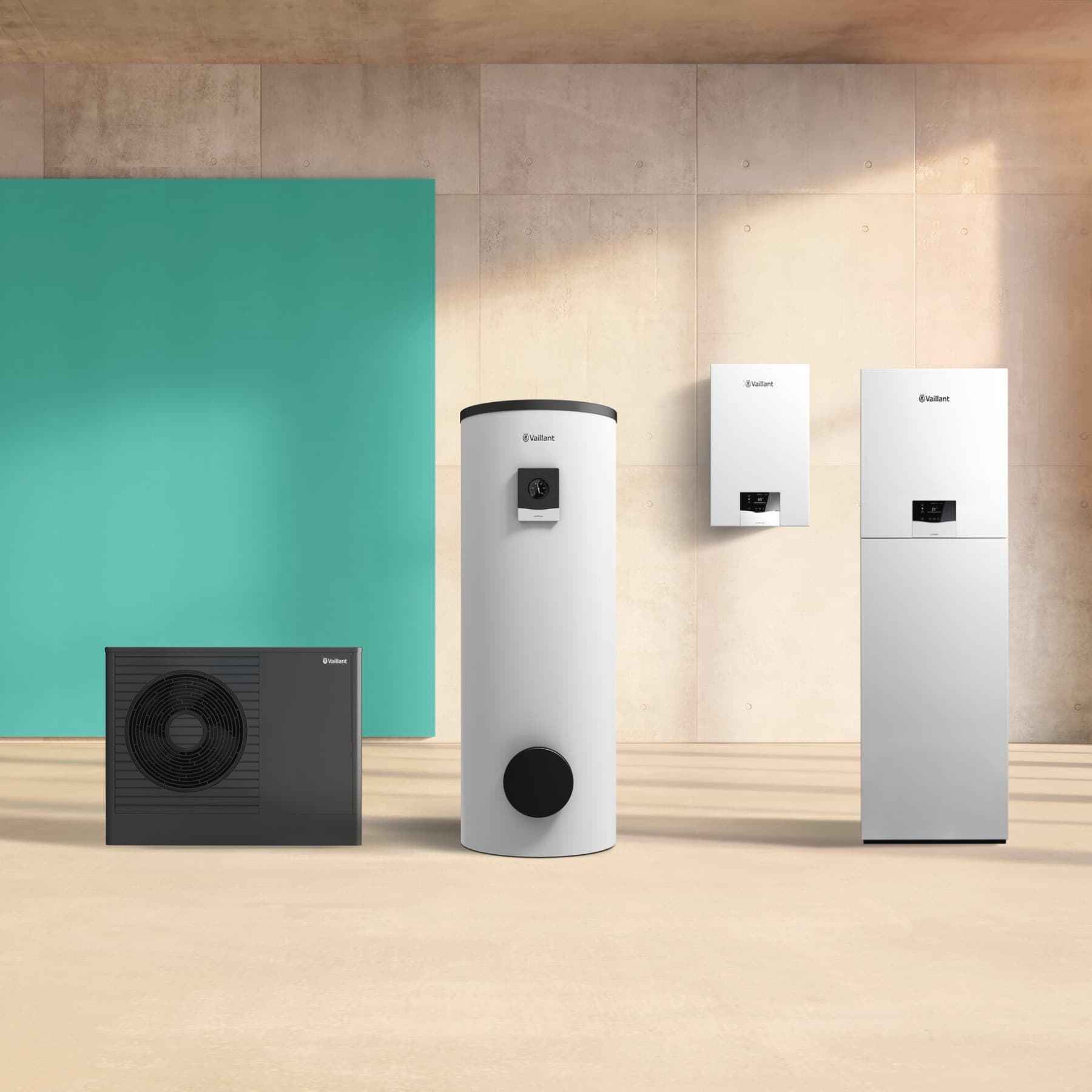
Heating cylinders: efficient use of heat.

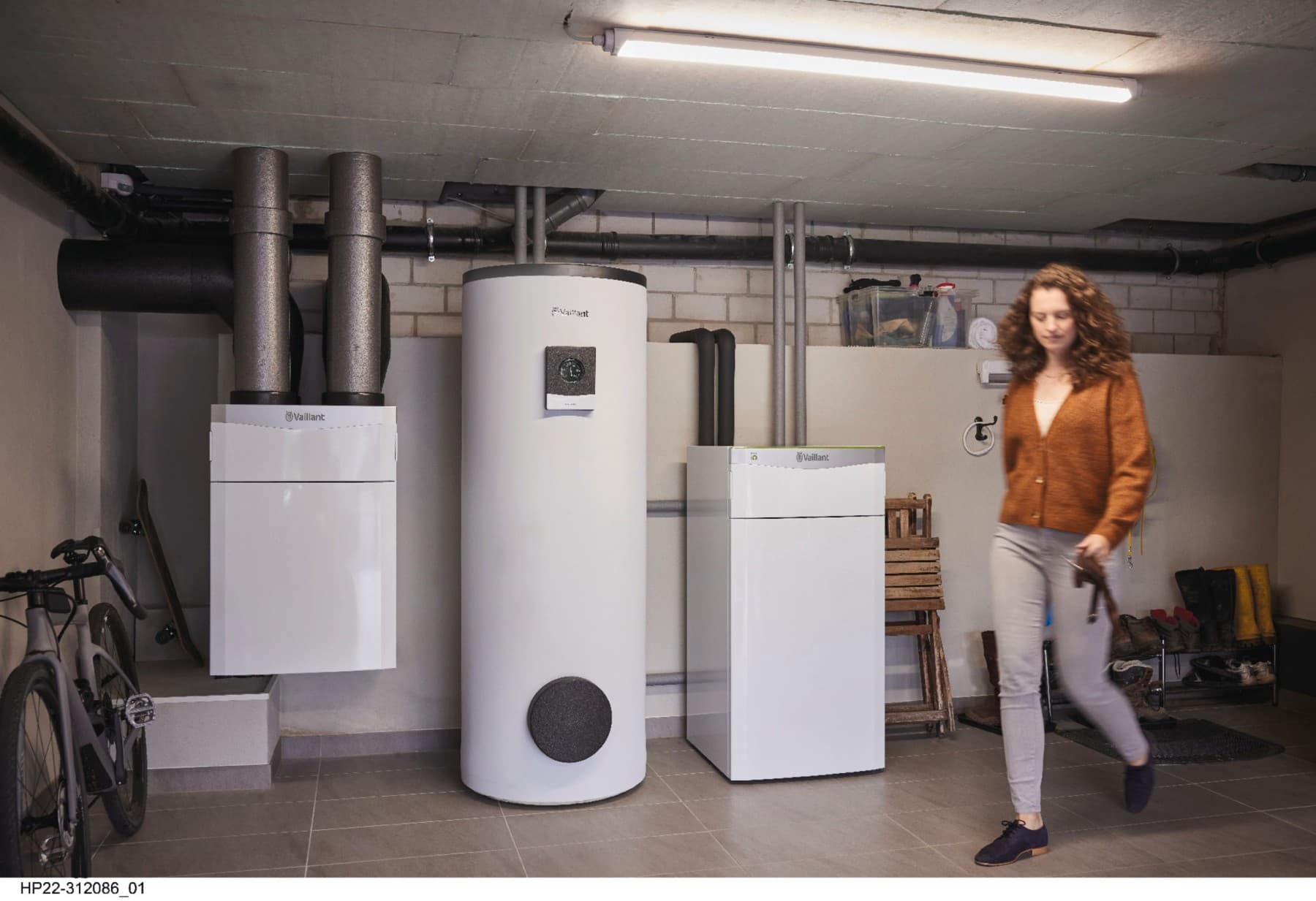
As efficient as it gets
Hot water, powered by your heating system.
For households with high hot water demand, central domestic hot water generation via the heating system is a smart choice - especially when building or modernising. From showering to cooking to heating, hot water is essential for daily life. It also represents a significant share of energy costs. That’s why it pays to plan ahead and choose the right solution for your home.
A domestic hot water storage takes efficiency to the next level. It stores heat and delivers it as needed - reliably and energy-efficiently. Pair it with a heat pump for even greater benefits. By using electricity, ideally from a solar system, the cylinder can be charged when electricity is available or at its cheapest. The result? A sustainable, cost-saving system that enhances your everyday comfort.
Did you know?
Just one minute of hot water consumption can use more energy than an energy-saving light bulb in an entire hour.
Types and modes of operation
Which type of domestic hot water cylinders suits your home?
- Buffer cylinders
- Domestic hot water cylinders
- Solar cylinders
- Long-term cylinders
- Special case: electricity cylinders
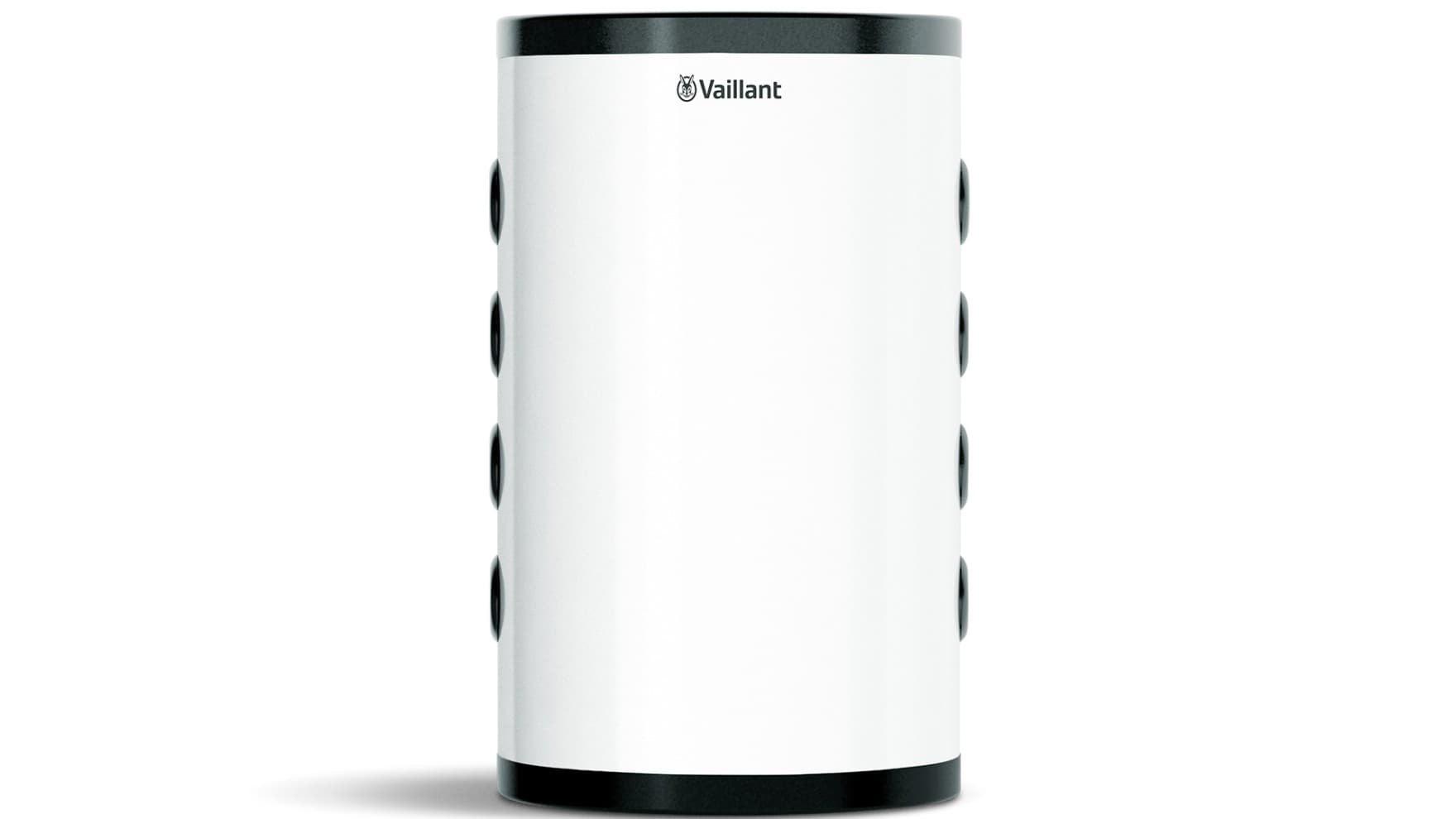
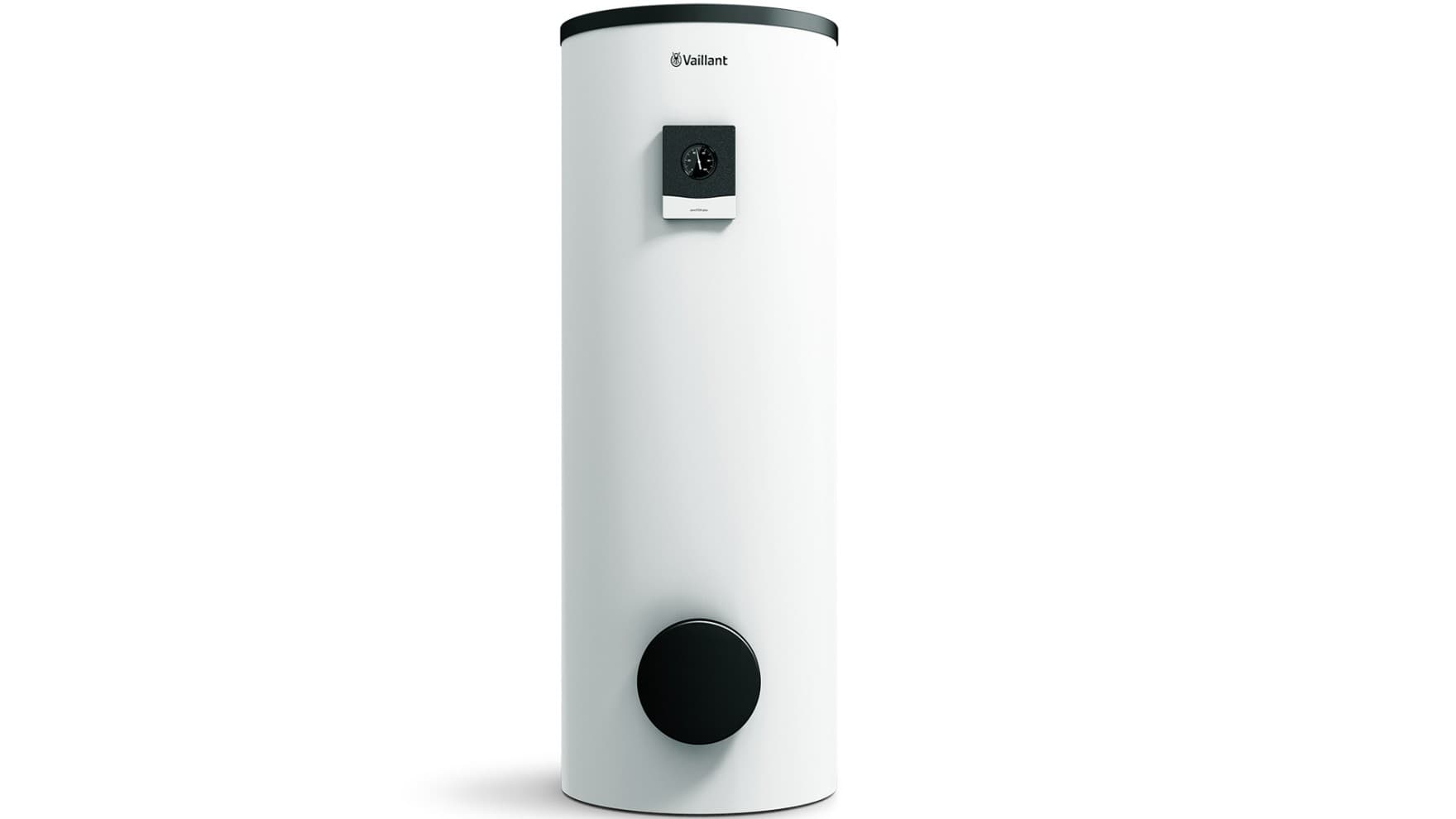
A buffer cylinder stores heating energy and delivers it exactly when needed. Heated by systems like heat pumps, it’s filled with heating water, making it incredibly versatile. You can use it to combine multiple heat sources, such as in hybrid systems, or to support a domestic hot water station. It also prevents your heating system from cycling on and off, improving efficiency. However, a buffer cylinder doesn’t supply process water on its own.
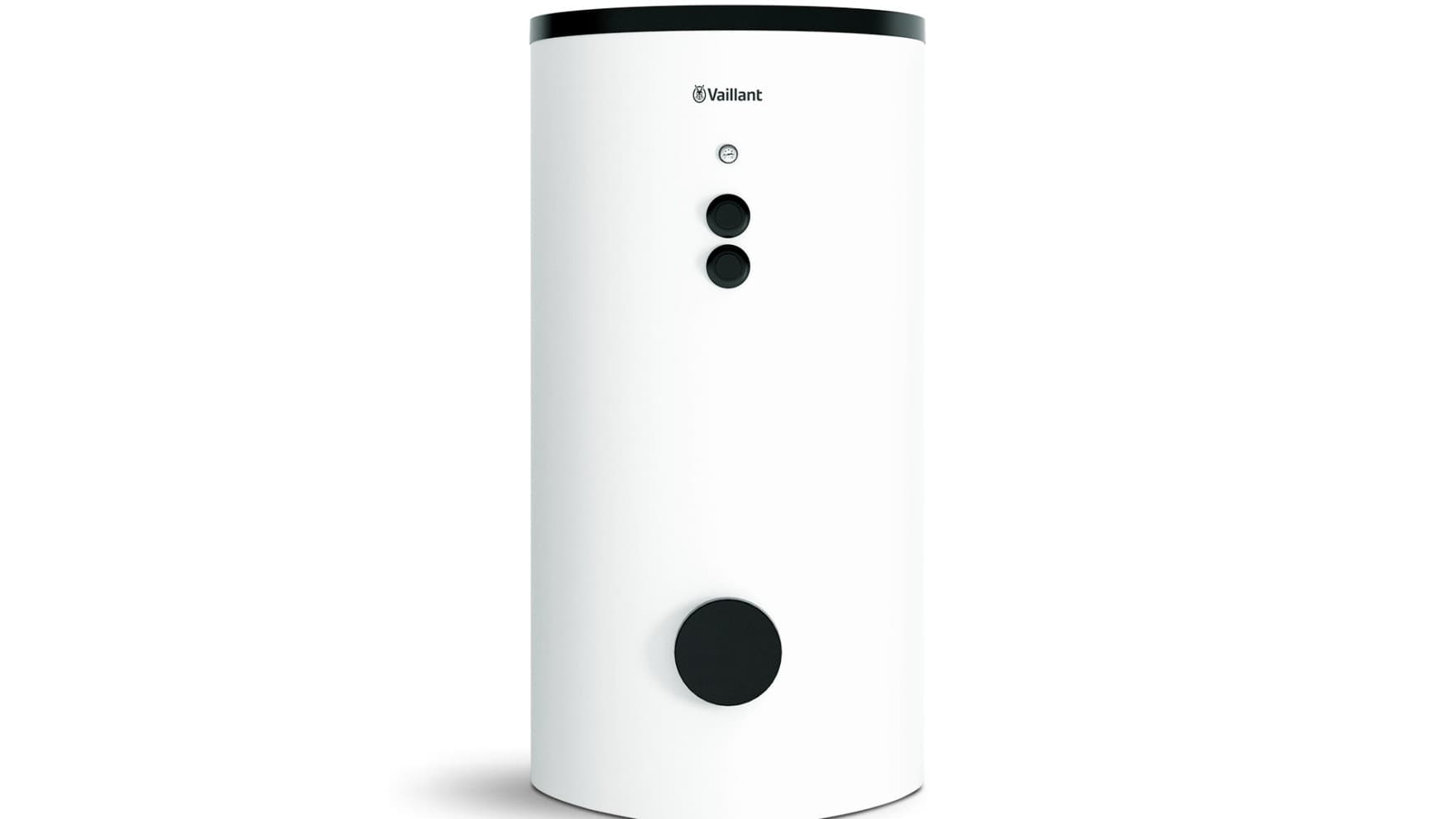
The three forms of heat storage.
- Sensitive heat cylinder: Here, heat can be stored directly in materials like water, earth, or building materials. The temperature of the cylinder medium rises when energy is added and falls when energy is removed. This straightforward and effective method is commonly used in systems like traditional domestic hot water storage.
- Thermodynamic heat cylinder: This method relies on reversible chemical reactions. When energy is added, the reaction moves in one direction; when energy is removed, it reverses. A common example is the interaction between zeolite and water vapour, where heat is released as water binds to zeolite. However, since 2018, Vaillant no longer offers zeolite heating appliances due to the challenges of sourcing high-quality zeolite crystals.
- Latent heat cylinder: This method uses the change in the aggregate state of the cylinder material to store energy; for example, shifting from liquid to solid and back again. A simple example is a heat pad, often used by skiers. It contains a cooled liquid salt melt that solidifies during crystallisation, releasing heat at around 58 °C.
Determine your requirements
How many litres of hot water do you need every day?
Daily hot water usage per person ranges from 25 to 50 litres adding up to as much as 18,000 litres annually. For a four-person household, that’s over 70,000 litres a year. By comparison, the average annual drinking water requirement is just 600 to 1,000 litres per person.
Simple systems like boilers or instantaneous water heaters heat water on demand but struggle with efficiency and costs when usage increases.
A heating cylinder hence offers a smarter solution. It stores centrally generated heat and delivers it exactly when needed. This ensures consistent comfort, reduces strain on your heating system, and saves energy in the long run.