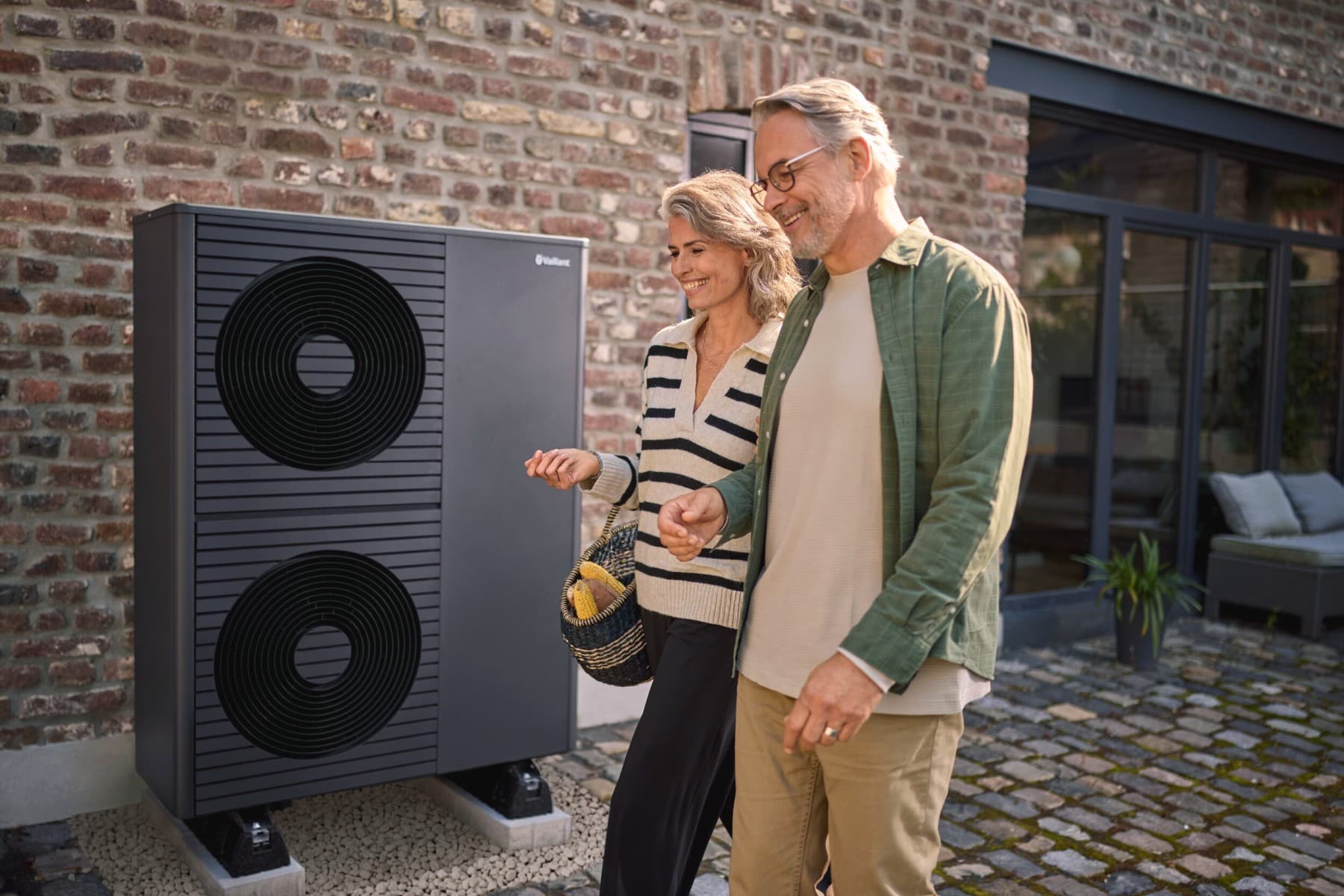
Photovoltaics: the smart way to generate your own electricity.

The idea of generating your own electricity with a photovoltaic system is gaining traction among homeowners – and it offers compelling benefits. Solar energy provides a sustainable and independent power supply, giving homeowners greater control over their energy costs and consumption. As energy markets continue to evolve with new environmental initiatives and innovation in clean technology, solar systems represent an opportunity to participate in the transition to renewable energy while potentially reducing long-term electricity expenses.
The advantanges of photovoltaics.
The four photovoltaics pros.
- High supply security.
Photovoltaic systems can achieve up to 80 percent self-sufficiency in electricity, effectively protecting homeowners from volatile energy markets and providing predictable power costs for decades while reducing dependence on external utility providers.
- High subsidies.
Feed-in tariffs and tax incentives make photovoltaic installations increasingly attractive investments, allowing homeowners to earn money from excess electricity while reducing upfront costs through government rebates and credits.
- High sustainability.
Photovoltaic systems provide completely emission-free electricity generation, and when paired with heat pump technology, homeowners can achieve almost climate-neutral heating solutions that eliminate fossil fuel dependence for both power and thermal comfort.
- High cost-effectiveness.
Photovoltaic systems require minimal maintenance while delivering exceptional longevity with operational lifespans of 25 years or more, providing decades of reliable, low-cost electricity generation with minimal ongoing expenses after the initial investment.
How photovoltaics works
The straightforward process of producing electricity.
To generate electricity, the photovoltaic modules are oriented towards the sun. The modules convert sunlight into direct current (DC). To use the DC in the house, an inverter converts it into alternating current (AC). If more electricity is available than you consume, it can be stored in a local battery storage or fed into the public power grid. The electricity meter measures the amount of electricity you feed into the public grid, potentially for compensation. Conversely, the consumption meter measures the amount of grid electricity you receive from the supplier.
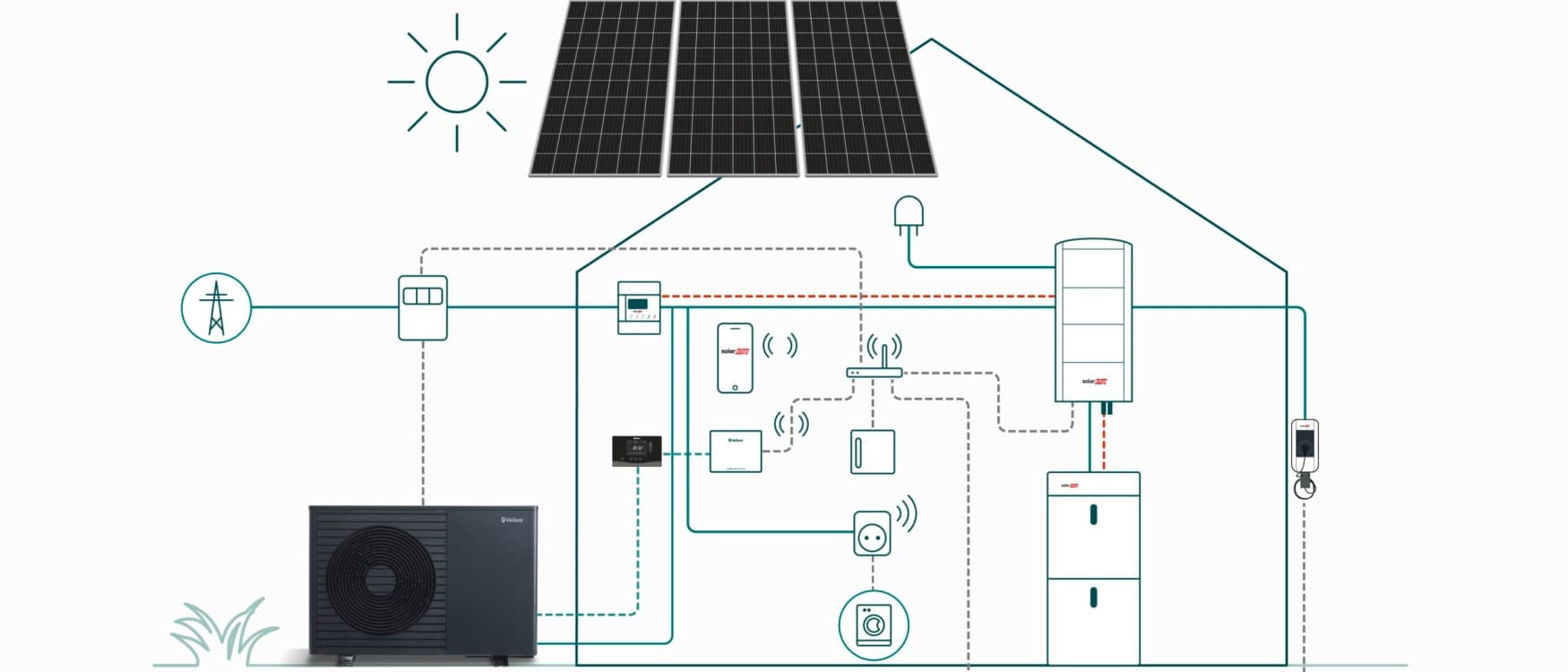
Strong as a system
A deep dive into photovoltaic components.
- PV module
- Inverter
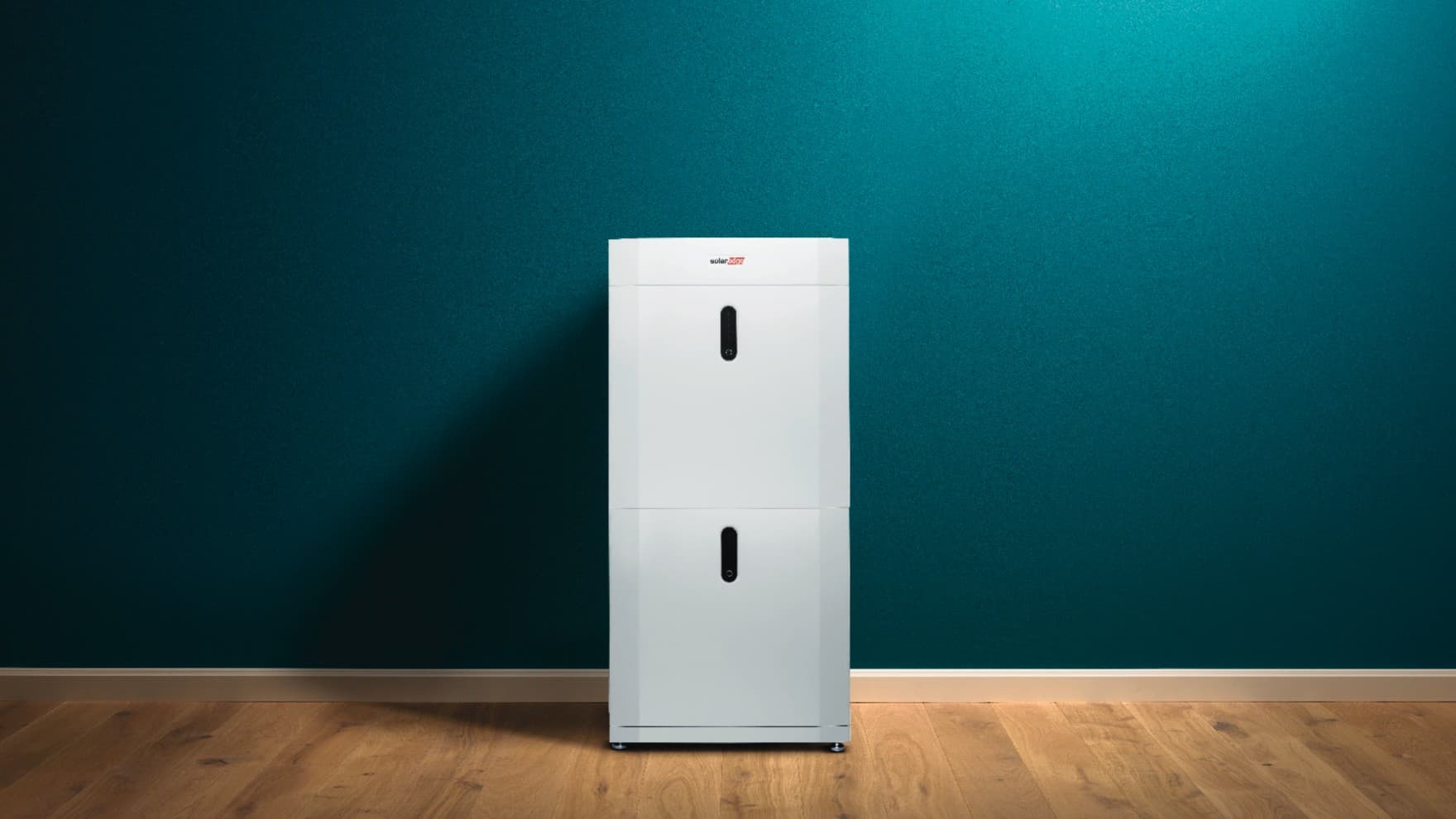
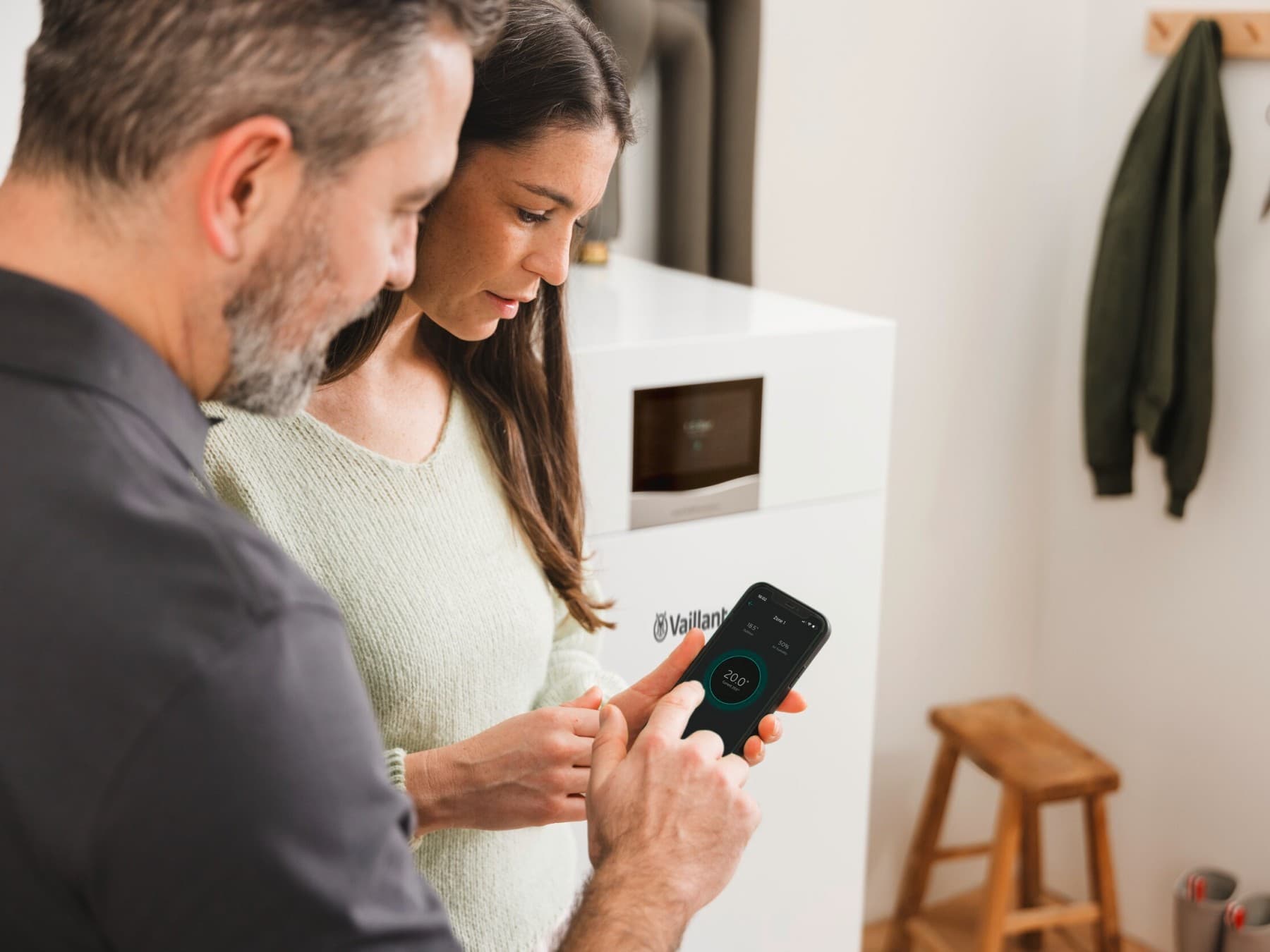
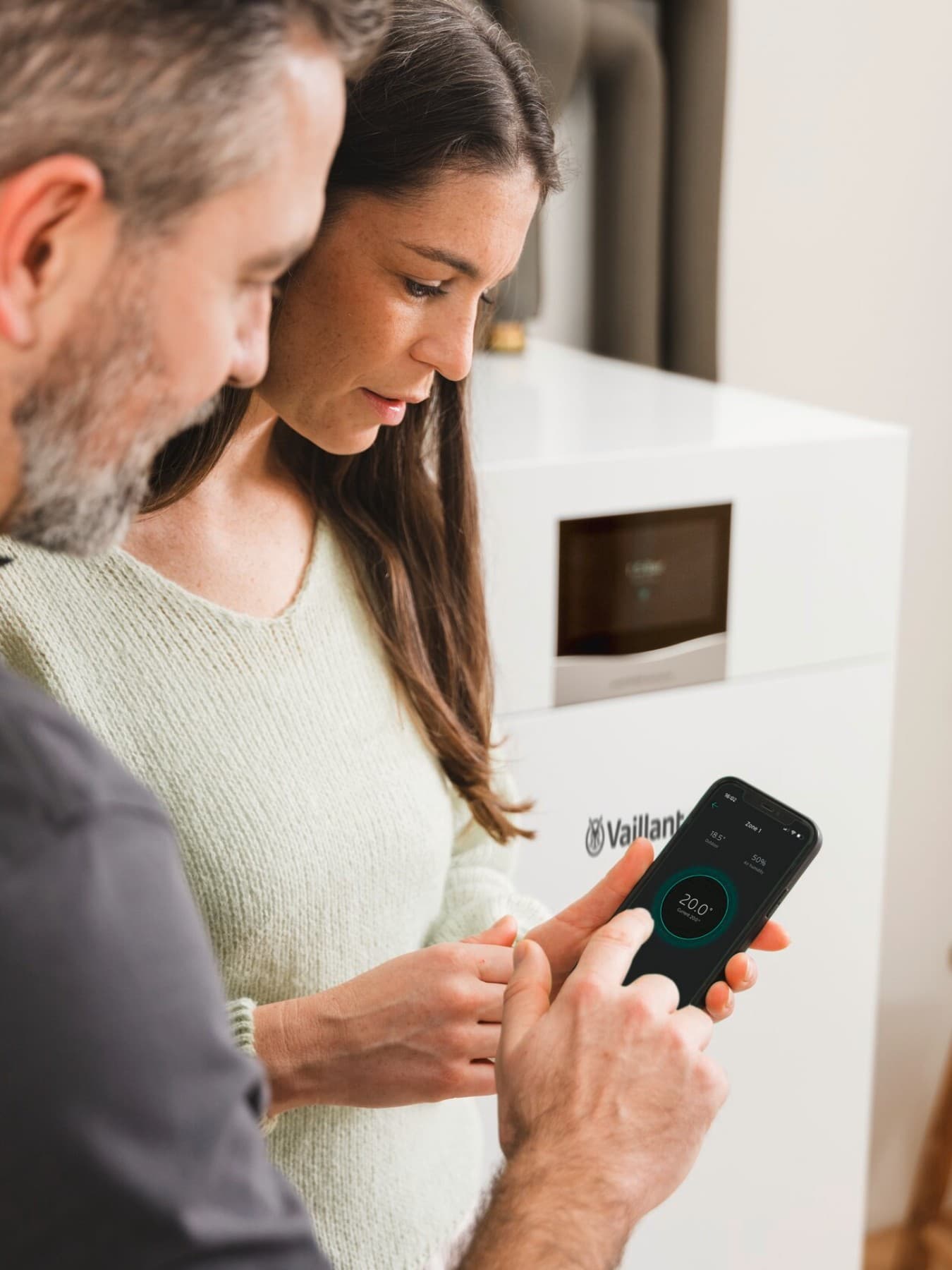
- Battery storage
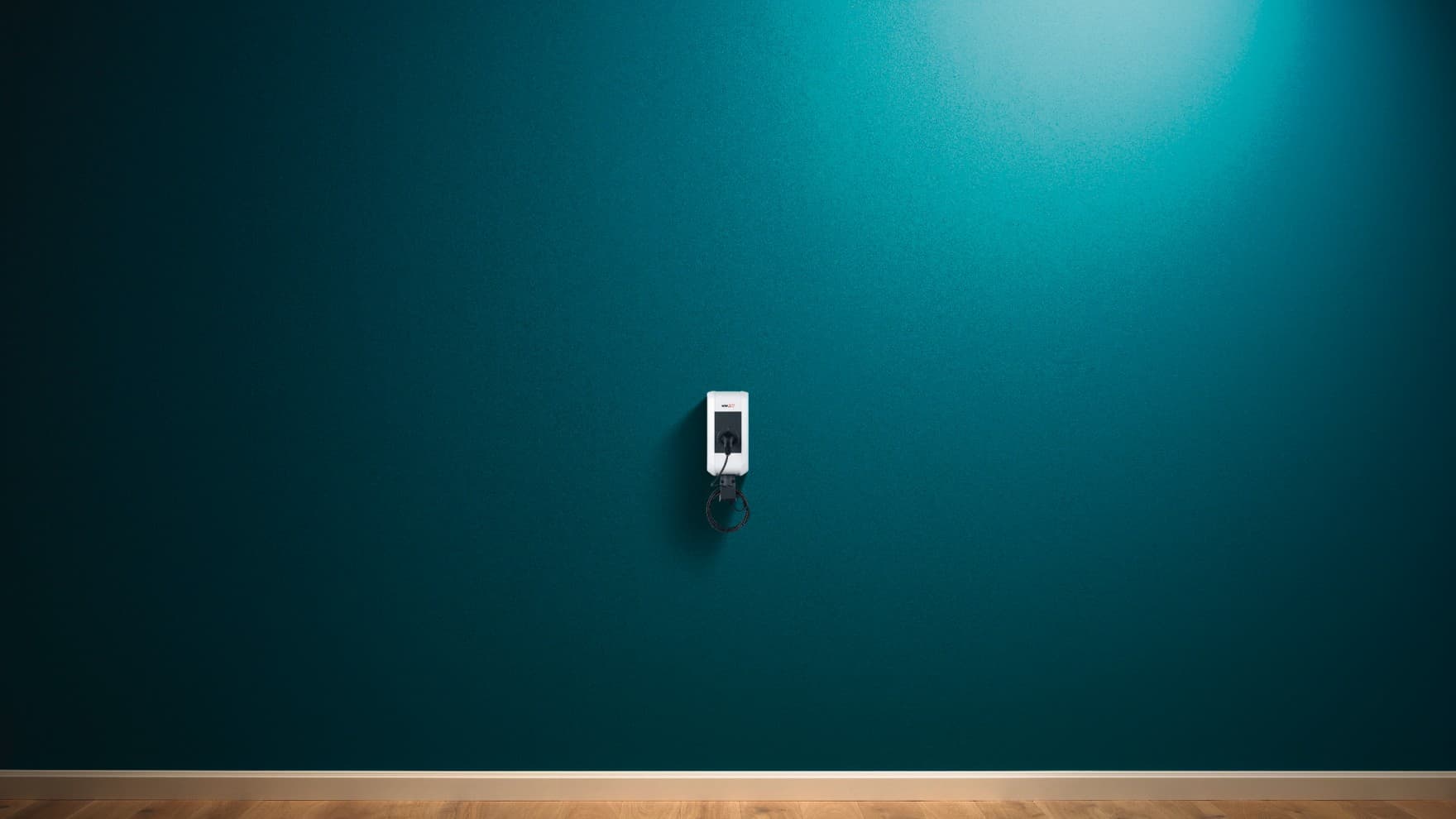
- Charging station
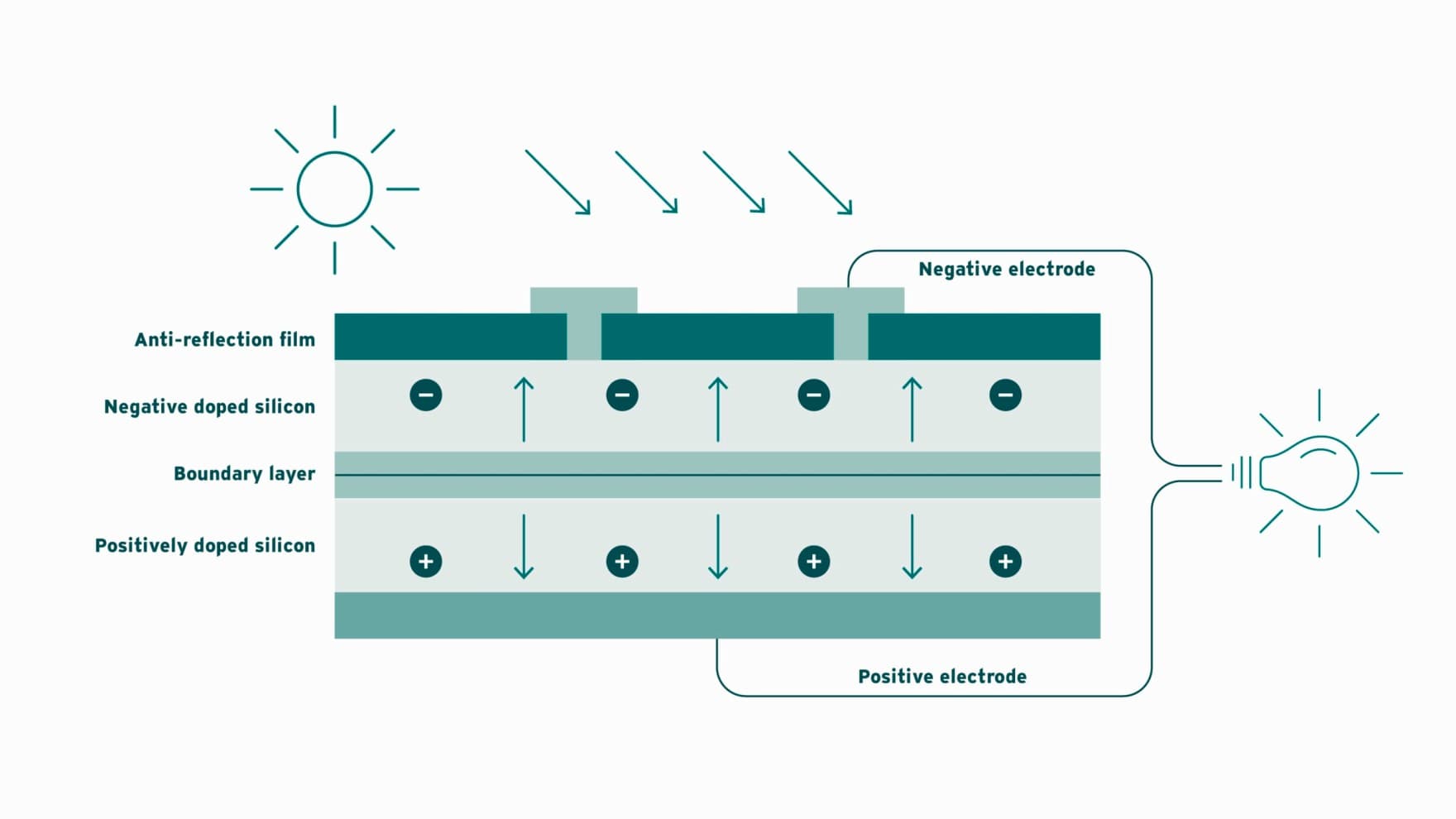
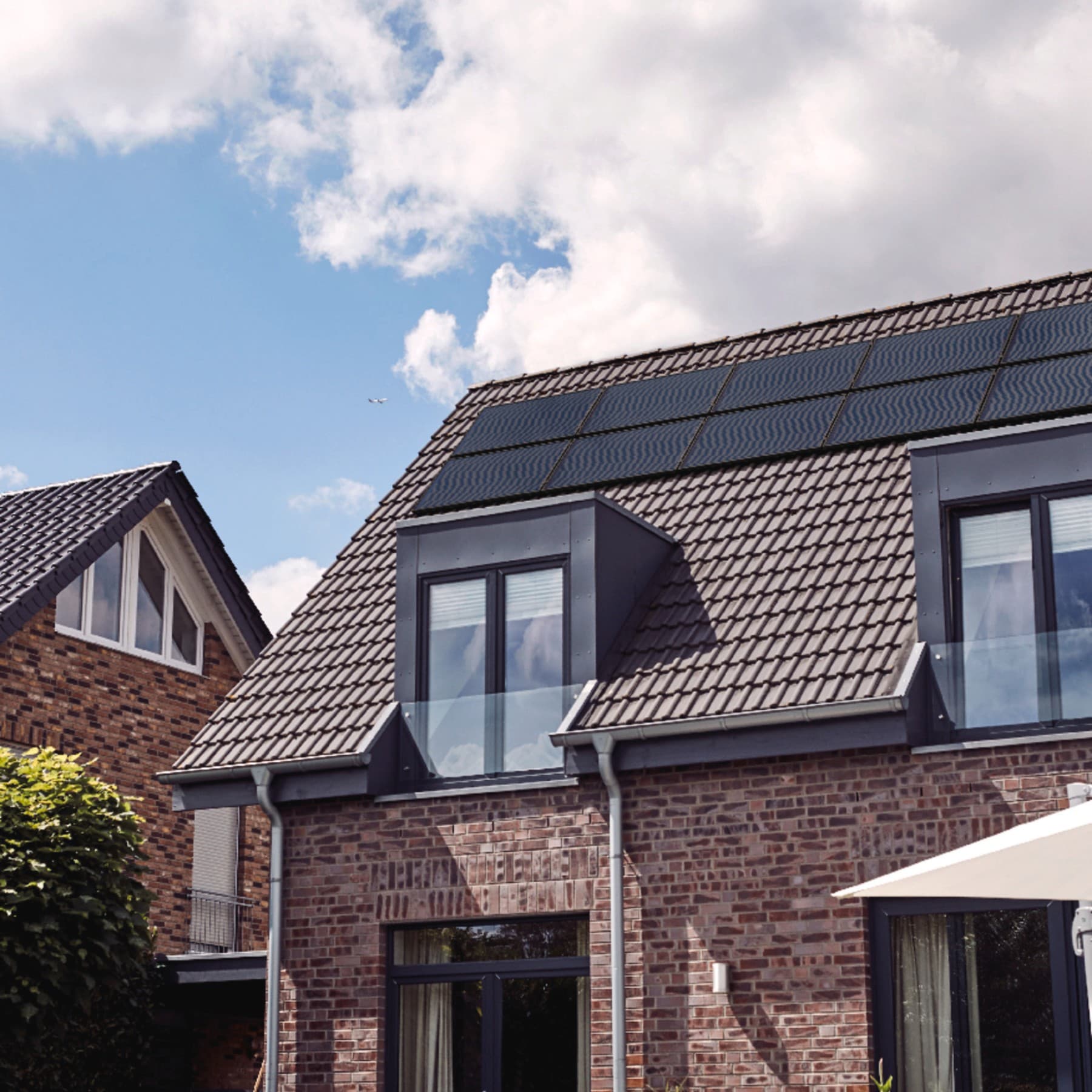
Photovoltaic modules consist of many interconnected photovoltaic cells. Each cell is made up of two different silicon layers. The upper silicon layer is negatively charged, meaning there is an excess of electrons. The lower layer is positively charged, indicating a lack of electrons. Between them is a boundary layer that separates the charges. When sunlight hits the PV module, charges are released from both layers. Once the circuit between the negative and positive poles is closed, direct current flows. To use the electricity in the home network, inverters convert it into alternating current.
Good to know: Photovoltaic modules are sustainable, even when it comes to recycling. Their lifespan is about 25 years. After that, according to EU regulations, 80% of the module mass must be recycled, mainly glass and aluminum. New techniques also allow for the recovery of silicon, which improves the environmental impact since recycling is more energy-efficient than production from quartz sand.
Maximum efficiency
Optimize the use of PV electricity.
The electricity output of a PV system varies throughout the day and year. The higher the sunlight exposure, the more electricity the PV cells can produce. However, the electricity demand for household appliances, operating a heat pump, and charging an electric vehicle doesn't always align with the times when electricity is generated. During midday when the sun is high, you might be at work and your children at school, so you can't fully use the generated electricity.
To utilize excess PV electricity, there are three concepts that can be combined:
- Unused electricity in the home is automatically fed into the public grid, effectively selling it to the supplier.
- Smart energy management can activate electrical devices like the heat pump or electric vehicle charging when plenty of PV electricity is available, known as load shifting.
- You can increase self-consumption with a battery storage system to balance the time gap between electricity generation and demand.
Typically, maximizing self-consumption is the most profitable approach, as the compensation you receive from the supplier for fed-in electricity is lower than the cost of purchased electricity. However, overall cost-effectiveness is a calculation that also considers various subsidies.
Discover all about smart energy management.


Electricity supply independence
Supply security? With your own PV electricity.
Generating electricity from renewable sources and becoming independent from fossil fuels is the need of the hour. The government is focusing on renewable energy to combat CO₂ emissions from fossil fuels, and is also promoting electric devices like heat pumps. As a result, the electricity demand for households is increasing, likely along with electricity prices. However, depending on the size of a photovoltaic system, a substantial portion of electricity can be self-generated. This helps you stay calm in the face of rising electricity costs or potential supply shortages.
Our tip for supply security.
Until recently, PV systems had to be automatically shut down if there was a power outage on the supplier's side. This ensured that the fed-in PV electricity did not pose a risk to technicians during repair work. However, the latest technology now allows for the generation and use of PV electricity for self-consumption even during a blackout.
What costs to expect
Costs and feed-in tariffs for PV systems.
Photovoltaic (PV) systems are ecologically and economically sound, but how quickly do they pay off? It's not a one-size-fits-all answer, as electricity prices and your specific setup play a role. Start by evaluating your unshaded roof space and sunlight exposure using local solar maps. System costs vary with component quality and installation, and consider if a new meter cabinet is needed. A battery storage system increases upfront cost but improves long-term self-consumption and savings. Don't forget feed-in tariffs and tax benefits further enhance your return. Check consumer advice centers for system-size cost guidelines.