
Cool comfort starts with the right air conditioning choice.


Advantages of air conditioning
Your feel-good climate at all times.
Climate change has a big impact on our weather conditions including unprecedented warm days in the summer months. With our air conditioning solutions, you can keep a cool head – no matter how high the temperatures are outside.
- All-in-one solution.
Most air conditioning appliances can both heat and cool. It doesn't fully replace a heat generator, therefore heating with an air conditioning ideal for mild climate zones, where only occasional heating is necessary.
- A right amount of humidity in your home.
Many aircon systems can dehumidify the air, which prevents stale air, moisture and mold.
- High degree of comfort.
A pleasantly tempered home contributes to a feel-good atmosphere.
- Improved air quality.
The filters in the air conditioning system remove dust, allergens, pollens and other particles from the room air to keep it clean.
How air conditioning works
Four steps to stay cool.
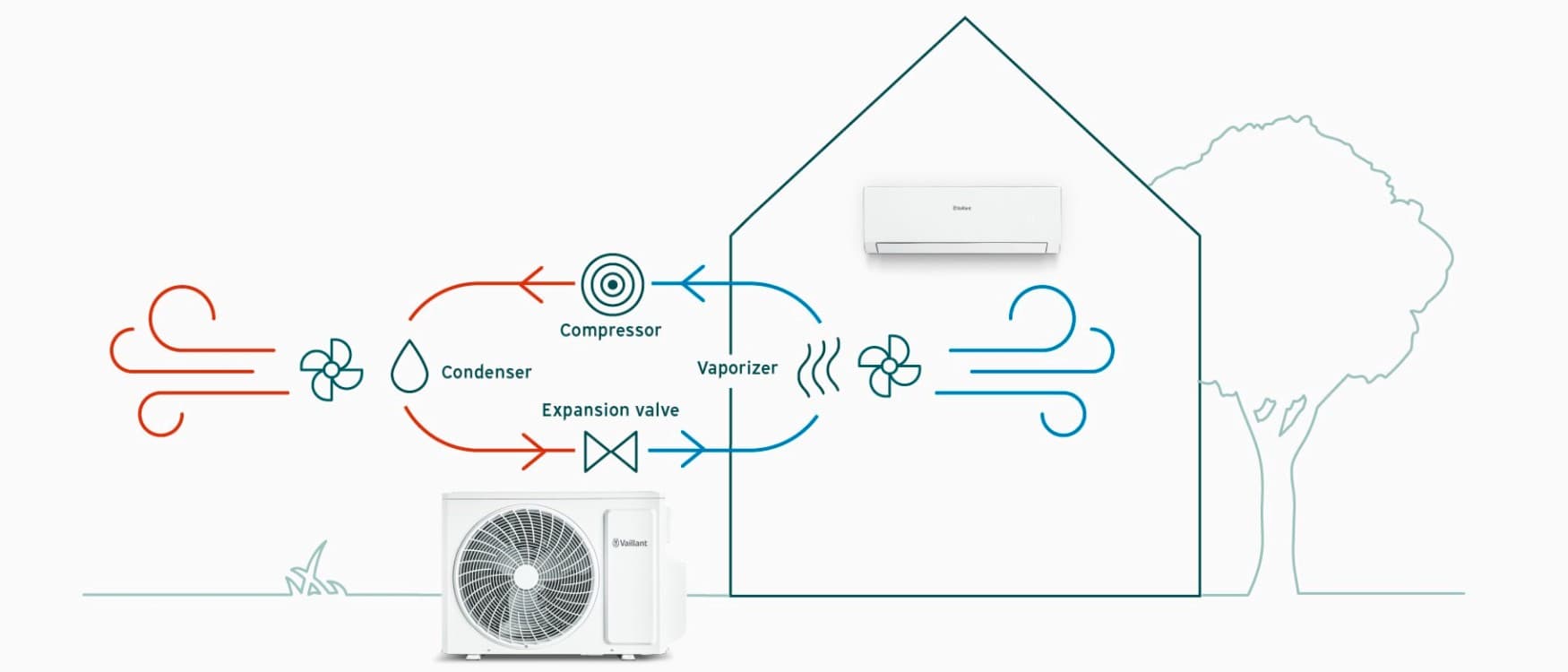
Air conditioning means cooling, heating or dehumidifying the air. Usually, when we talk about an air conditioning system we mean that it is used for cooling by extracting heat from the air and thus cooling it. Side effect: the air conditioning removes humidity, making the air less sticky. The basic principle of how an air conditioning system works is the transfer of heat from the inside of a building to the outside.
In detail, the process is as follows:
1. Absorb heat
The warm air from inside the house is channelled through the fan to the heat exchanger in the indoor unit. The refrigerant absorbs heat from the air flow and therefore the indoor air cools down. The refrigerant vaporises due to its increased temperature.
2. Pump it up
In the next step the refrigerant is compressed in the compressor, which leads to an even higher temperature.
3. Release heat
In the outdoor unit, outside air is now fed through the fan via a second heat exchanger. This cools the refrigerant and liquefies it again, releasing the heat from the room into the environment.
4. Expansion of the refrigerant
The refrigerant is “expanded” via a valve causing a decreased temperature to start the cycle once again.
The great advantage of these systems – in winter when outside temperatures are low, I can turn the cycle around with a four-way valve and use my air conditioner to heat the room.
Types of air conditioning
Different types to beat the heat.
- Split air conditioners
- Central full air conditioning systems
- Heat pumps for cooling
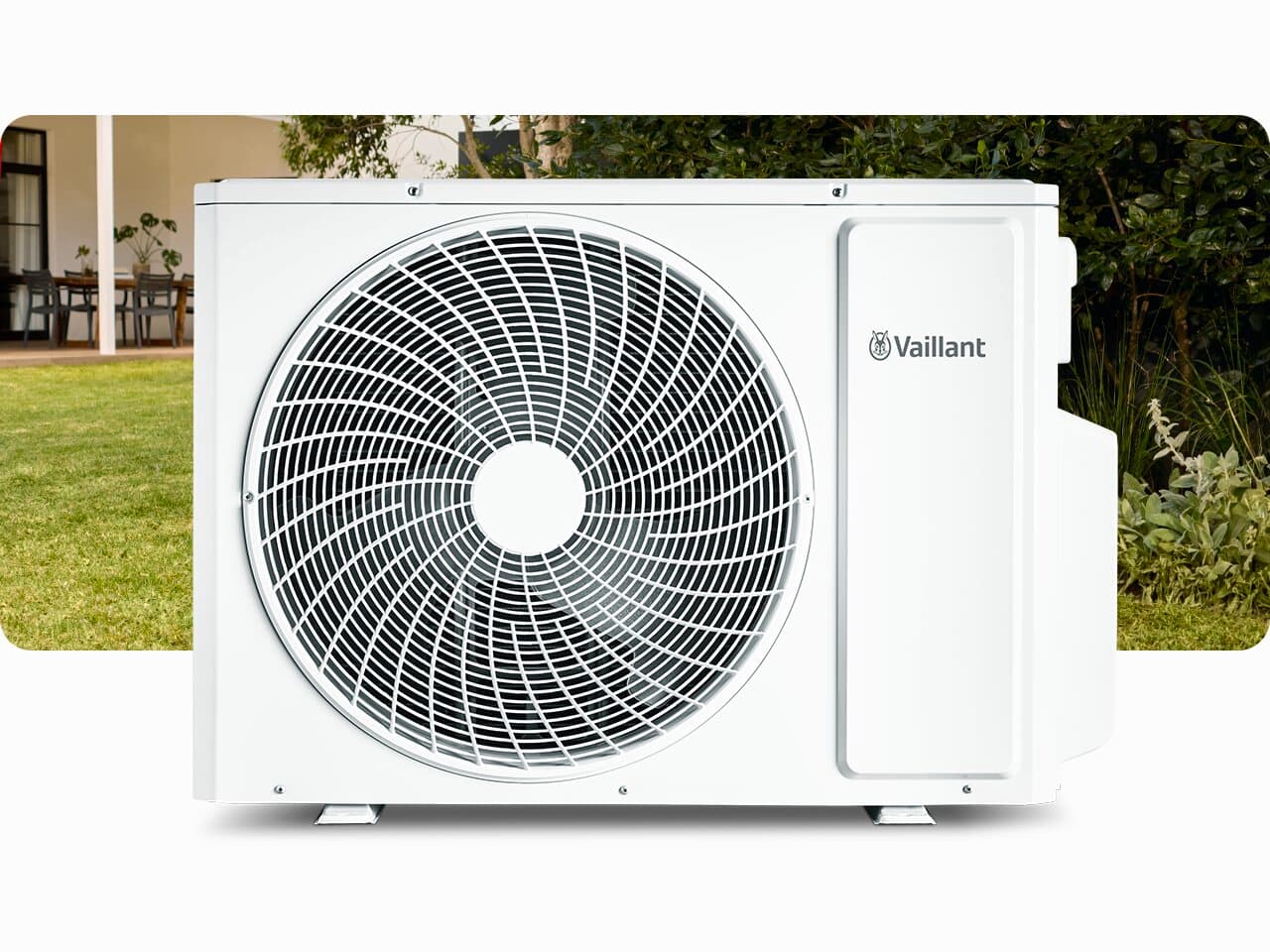
In a split air conditioning system, the indoor and outdoor units are separate. The indoor units are in every room that needs conditioned air. The advantages are the high efficiency and low noise level, as the compressor is located outside. The system must be permanently installed, which can also be done retrospectively in existing buildings such as flats or houses. Please note: the landlord's authorisation is required due to the breakthrough of the wall.
A difference is made between single-split and multi-split air conditioning systems:
Single-split air conditioning systems cool single rooms whereas multi-split air conditioning systems are suitable for large rooms or several rooms in the house with up to 4 indoor units connected to the outdoor unit.
Efficient cooling solutions for modern homes
Imagine a cool home with one of these aircon systems.
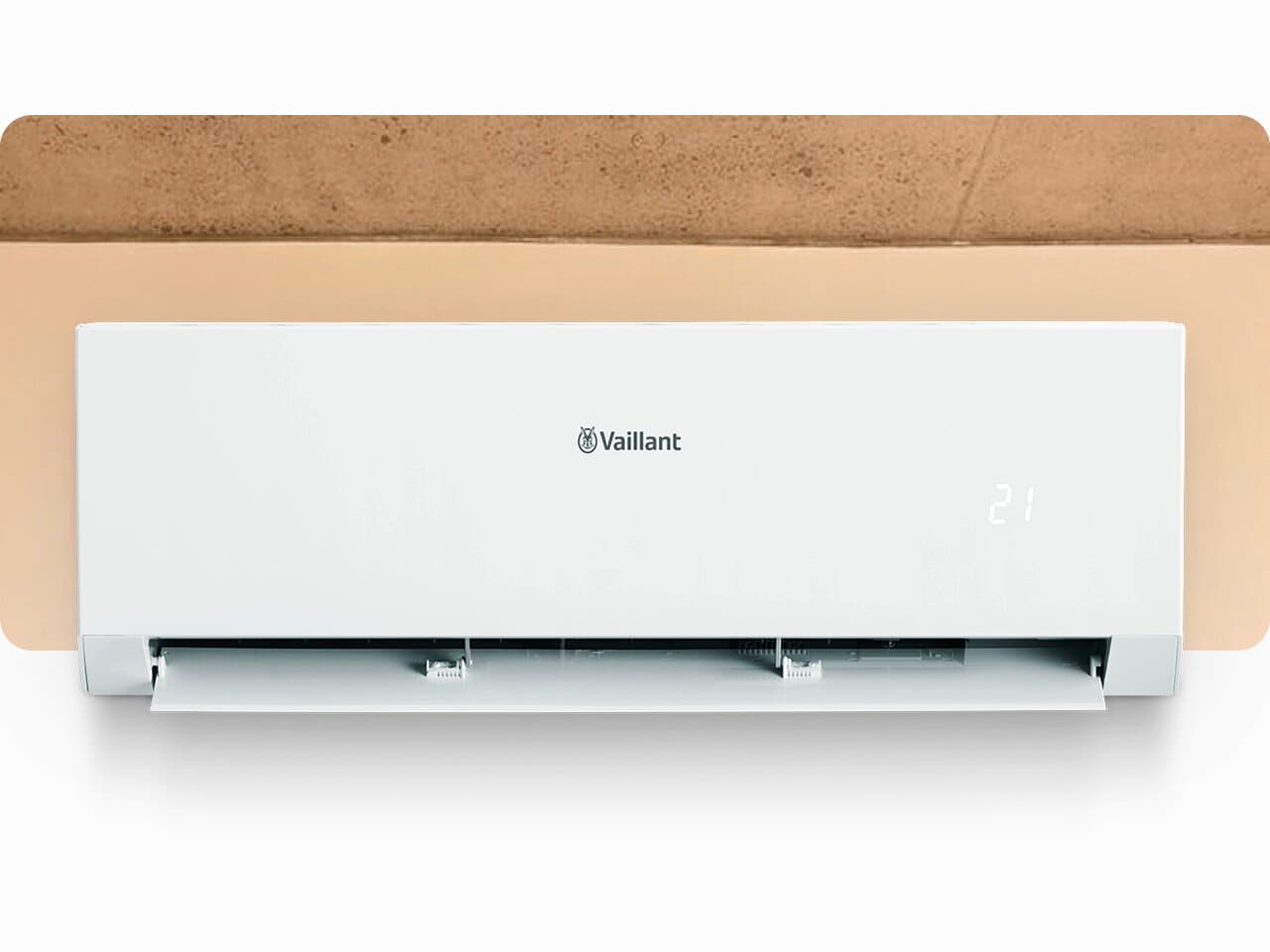
- 1/3Air-Conditioning UnitclimaVAIR proThe efficient way to cool and heat single rooms.Get more details
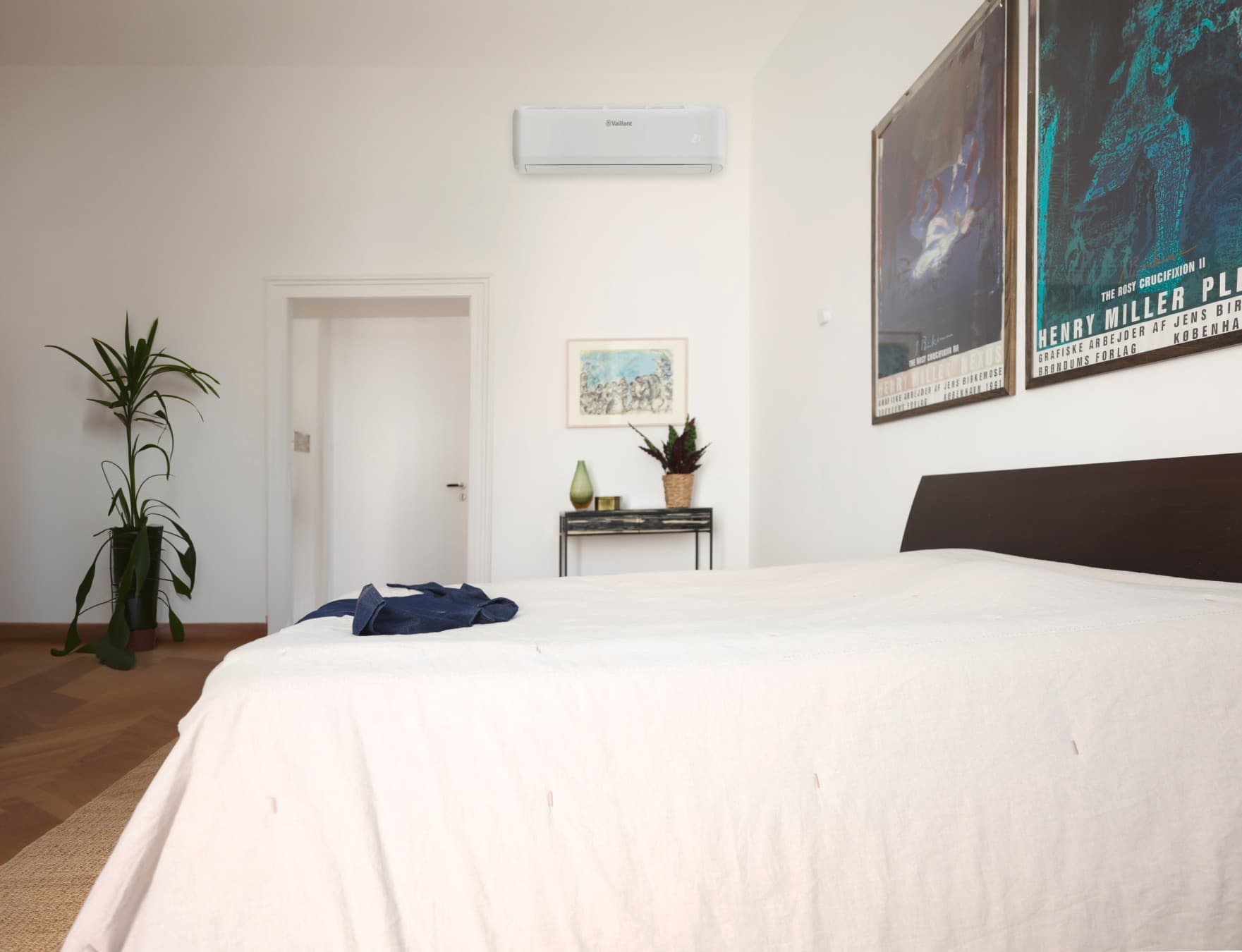
The efficient way to cool and heat single rooms.
- Benefit from an even air-flow distribution
- Heat and cool with maximum efficiency at low energy costs
- Reach and clean the filter easily
- Enjoy comfort everywhere through “I feel function”
- Connect via WiFi for a quick set up
With the climaVAIR pro air conditioner, you enjoy the comfort of your feel-good temperature all year round. The efficient way to heat or cool quickly makes it the perfect solution for single rooms or small holiday houses with occasional use.
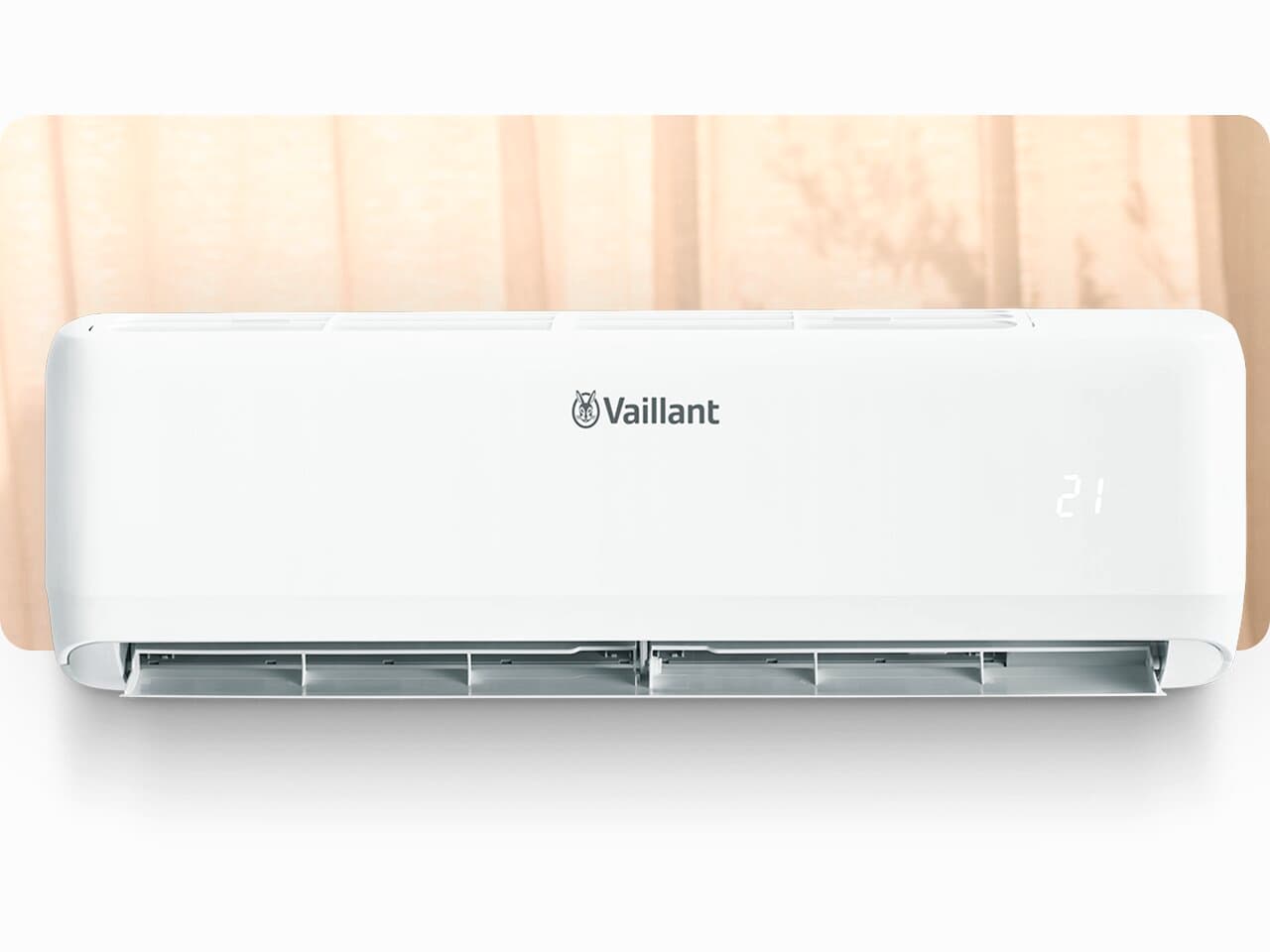
- 2/3Air-Conditioning UnitclimaVAIR plusYour smart feel-good-manager for cooling and heating.Get more details
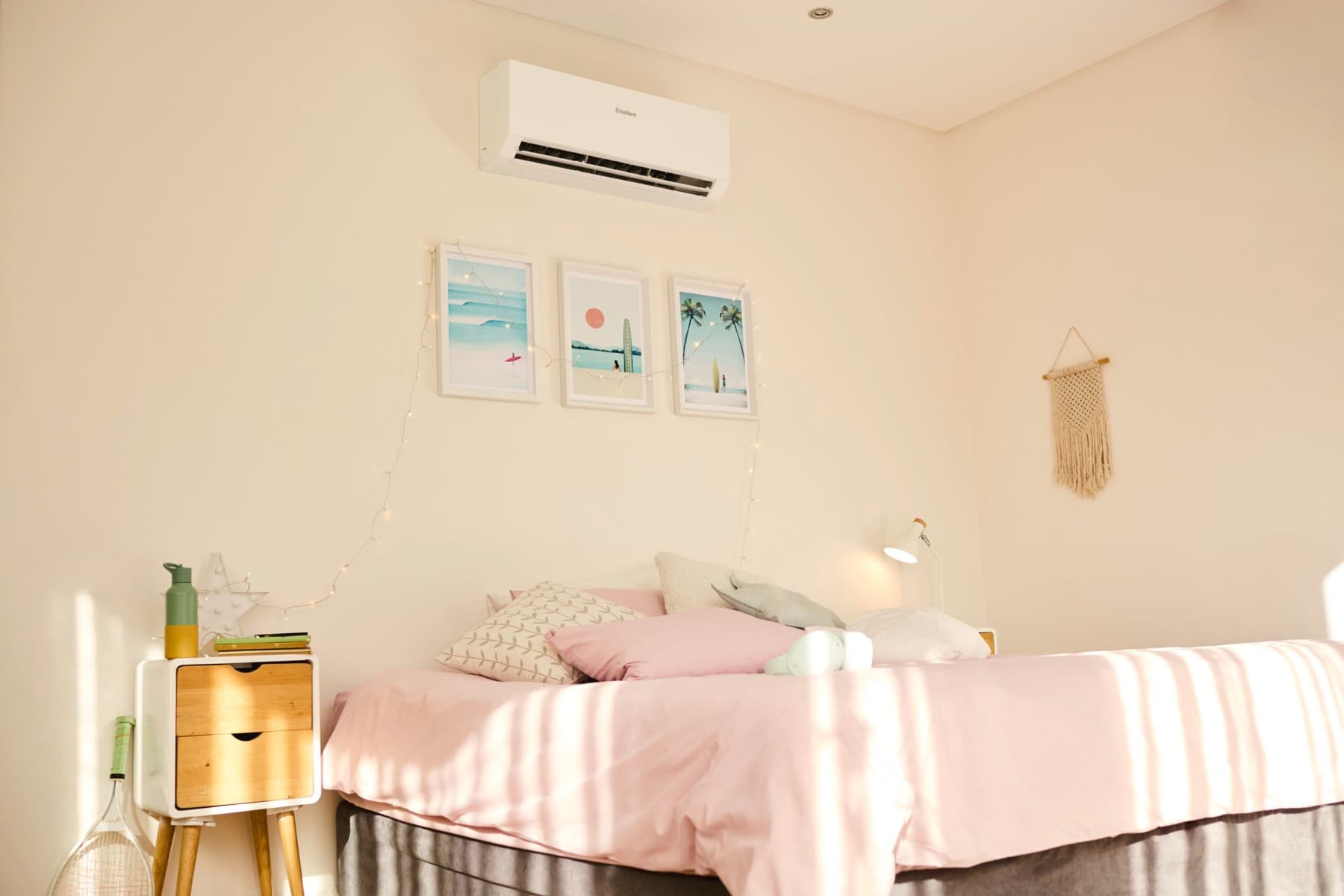
Your smart feel-good-manager for cooling and heating.
- Choose top A+++ efficiency and minimise your energy costs
- Get your humidity level automatically adjusted
- Enjoy healthy air thanks to advanced purification & filtration technology
- Sleep well with a reduced noise level down to 19 dB(A)
- Increase your comfort with the support of artificial intelligence
Introducing the climaVAIR plus, your smart solution for perfect indoor comfort. Designed for single rooms in permanent residences or small holiday homes, this air conditioning unit offers a unique blend of efficiency and intelligence. Enjoy double-purified fresh air and ideal humidity levels, tailored to your environment.
- 3/3Air-Conditioning UnitclimaVAIR multiThe multi split system for heating and cooling multiple rooms.Get more details

The multi split system for heating and cooling multiple rooms.
- Connect up to 5 different indoor units with just one outdoor unit
- Cool or heat each room independently of each other
- Discreet and flexible installation in different rooms and architectures
- Climate-friendly and energy-efficient system over the entire life cycle
- Rely on a 5-year guarantee on the entire device
The climaVAIR multi air conditioning system is the stand-alone solution for the whole house. Thanks to the FreeMatch multi split system, you have the option of cooling or heating 5 different rooms with different indoor units using just one outdoor unit. This makes the installation particularly flexible and space-saving. As with a heat pump, the energy is obtained from the ambient air in a highly efficient and climate-friendly way.

Costs of air conditioning
What costs to expect.
The cost of an air conditioning system depends on its type, the size of the room or house to be cooled, the energy efficiency, the installation costs and the ongoing operating costs. As a rule of thumb, the more expensive the purchase of the appliance, the lower the running costs.
Pay attention to the energy level of the air conditioning system. It indicates how much electricity is consumed per hour.
You can roughly calculate your annual running costs using the following formula:
Electricity consumption per hour x operating hours per year x electricity costs per kWh = your running costs p.a.
Please note that the actual electricity costs depend significantly on your device, the current electricity costs and your personal consumption.
The right choice
Which cooling system is right for me?
- You live in a very warm region and are building a new house?
It's worthwhile considering a central full air conditioning system.
- You live in a very warm region and want to retrofit an air conditioning system?
For older houses you have the possibility to upgrade to a multi-split system, to cool several rooms of the house.
- You live in milder temperatures with lower cooling requirements?
We recommend a mono-split system, to cool an individual room e.g. the bedroom.
- You are planning to modernize the entire heating system of your house?
You should consider a climate-friendly heat pump with cooling function!
Combine with a solar system
An efficient match: air conditioning and solar
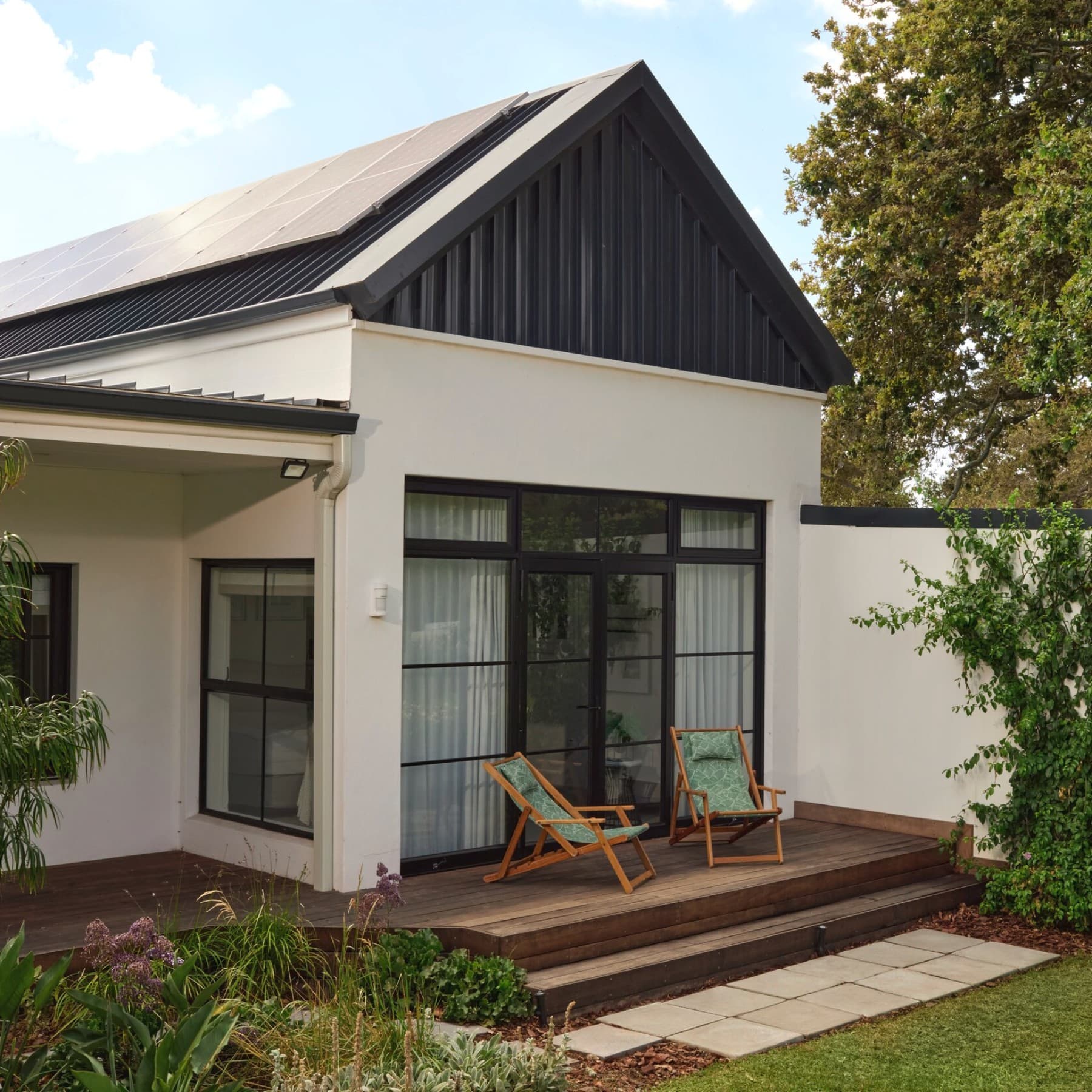
An air conditioning system in combination with a solar system brings more efficiency and therefore more savings potential. Especially when the sun is shining, the solar system generates electricity that can be used directly for the air conditioning system to counteract the high outside temperatures. Energy costs can be significantly reduced by using self-generated electricity from solar to operate the air conditioning system. At the same time, you reduce your CO₂ footprint and become less dependent on the public power grid. A combination of air conditioning and solar is therefore a smart investment, both ecologically and economically.