How to cut your heating expenses.

Advantages
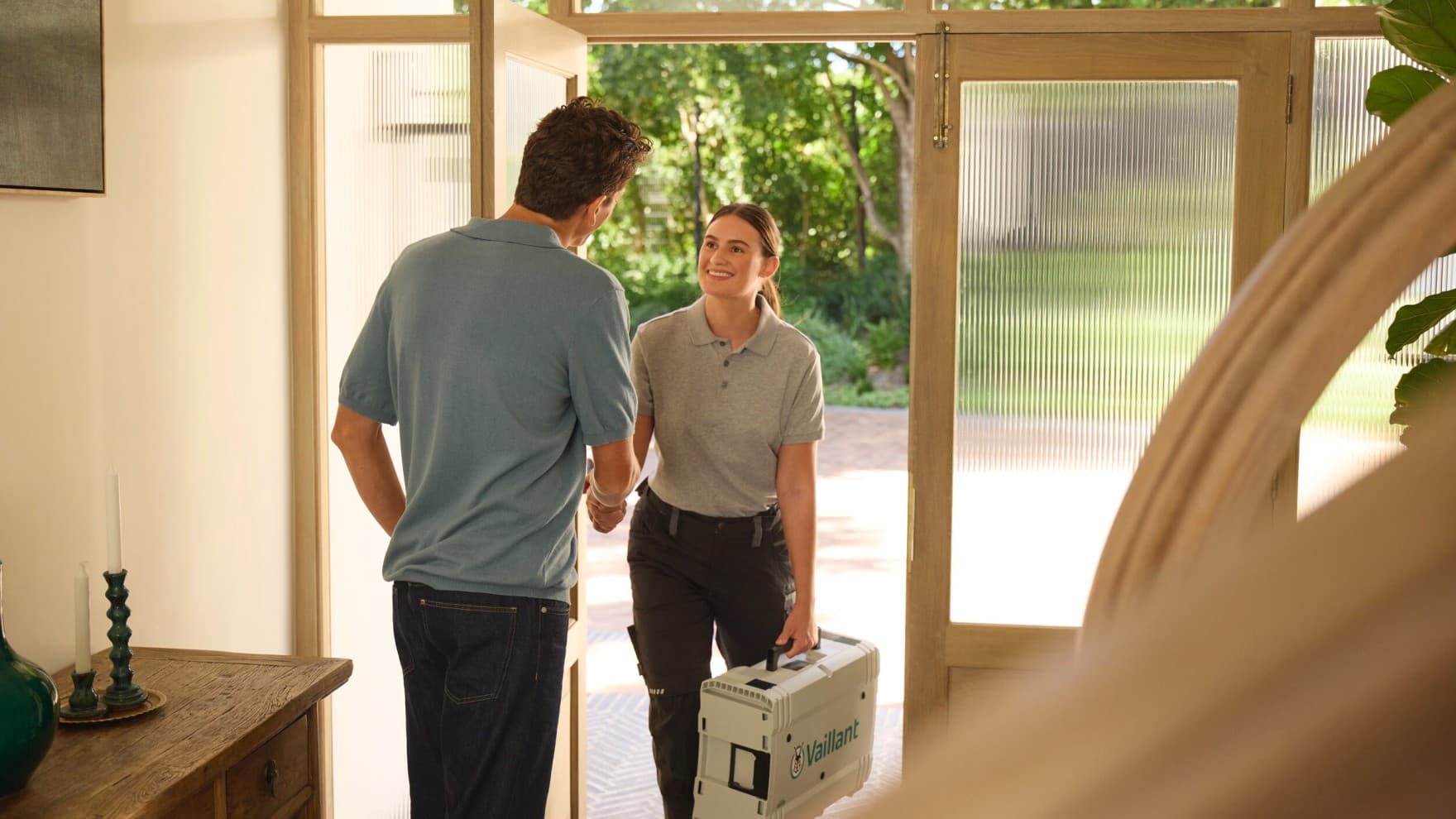
Regular maintenance pays off.
Millions of heating systems across homes are operating below their optimal efficiency. One of the primary reasons? Insufficient maintenance. With today's high fuel costs, professional maintenance quickly pays for itself – especially considering that a modern heating system requires minimal upkeep despite its workload. Your boiler's annual operating hours equate to approximately 100,000 kilometers of car travel, making regular attention essential for efficient performance. Even small issues can significantly impact your energy consumption – each millimeter of soot or dirt on heat exchanger surfaces increases fuel consumption by 5%. Simply by having your space heating professionally cleaned, you'll experience immediate cost savings while extending your system's lifespan.
Optimise your heating performance
These quick tips will help you heat your home more efficiently.
- Night setback.
Check your central control system's night reduction settings and adjust them for optimal efficiency.
- Radiator cleaning.
Clean your radiator fins regularly – dust reduces heat transfer efficiency and extends warming times.
- Correctly place furniture.
Ensure radiators aren't blocked by furniture, especially after summer, when you may have rearranged your rooms.
- Water pressure.
Verify your system's water pressure and top up if necessary to maintain recommended levels.
- Radiator check.Learn how to bleed your radiators
Inspect all radiators for leaks and bleed them to release trapped air for improved performance.
- Thermostats.
Examine thermostat valves to ensure they move freely and replace any that are sticking or malfunctioning.
Your heating system in perfect balance
Optimise your heating settings: with hydraulic balancing.
Hydraulic balancing is carried out by a qualified expert. Afterwards each radiator receives precisely the energy it needs – no more, no less. This calibration eliminates wasteful hot and cold spots throughout your home while reducing both electricity and heating costs. You can find out more about hydraulic balancing in our guide.