Ideal room temperature: how to feel comfortable in every room.

Reference values
Recommended temperatures per room type.
In short: not all rooms should be heated or cooled to the same temperature. The lifestyle and usage of each room type gives you a good orientation on how the temperature of a room should be.

Bedroom room temperature.
The ideal temperature for sleeping in a bedroom is between 16 and 18 °C. This is cooler compared to most rooms, as it's the optimal temperature for sleep. During sleep, your body temperature decreases gradually as well.
In summer, proper cross-ventilation before going to bed helps reduce the temperature to a comfortable level for sleeping.

Bathroom temperature.
Bathrooms are typically heated warmer than other rooms, with a comfortable range between 21 and 24 °C for most people. However, your personal preferences should guide what feels "ideal" in your bathroom. A temperature below 20 °C can feel much colder here, especially after a hot shower or while dressing.
Proper ventilation is crucial to prevent mould, more so than sticking to a specific temperature limit. Nonetheless, you shouldn't let the temperature drop below 16 °C.

Kitchen room temperature.
A kitchen doesn't need a high temperature; around 18 to 19 °C is typically sufficient. Cooking and baking naturally warm up the space further anyhow.
Additionally, in smaller kitchens, people often spend less time compared to other areas of the home. So it's a room to save on heating costs.
Temperature recommendations for living rooms, baby rooms and your office.
Living room
This room needs to feel super comfortable, hence a temperature between 20 and 22 °C should be maintained. It should be one of the warmer rooms in your home.
Baby room
Common advice suggests sleeping temperature between 16 and 18 °C, and around 21 °C at day. However, this can vary from child to child and home to home. To be safe, consult your doctor, nurse, or midwife for a specific recommendation for your baby.
Office
For most desk workers a temperature of around 21 °C is sufficient for a normal workday with minimal activity. If you need to have a lot of heated arguments though, you might be better off with a cooler office.
Seasonal conditions
Ideal room temperature in winter vs. summer.
- Winter
- Summer
During winter times, there is naturally an increased heat demand for comfort. And the frosty cold can damage the building fabric, too. Heating the entire living space, including storage and hobby rooms, at least on frost protection level plays a vital role in this, as it:
- Prevents heating pipes from freezing
- Avoids mould formation from non-evaporating moisture in unheated rooms
- Keeps walls from cooling down and thus maintains energy demand in adjacent rooms
What is the best temperature to prevent mold?
Maintaining a room temperature consistently above 16 °C can help prevent mould in most homes. Dropping below this temperature for longer periods risks creating damp spots, the first step towards mould on your walls.
Keeping humidity at a good level is equally crucial for optimal mould prevention. Your room's humidity shouldn't exceed 80 %, as bacteria and mould thrive at this level. Regular cross-ventilation helps maintain a mould-free environment, even with cooler room temperatures.

Effectively lowering the room temperature in seconds.
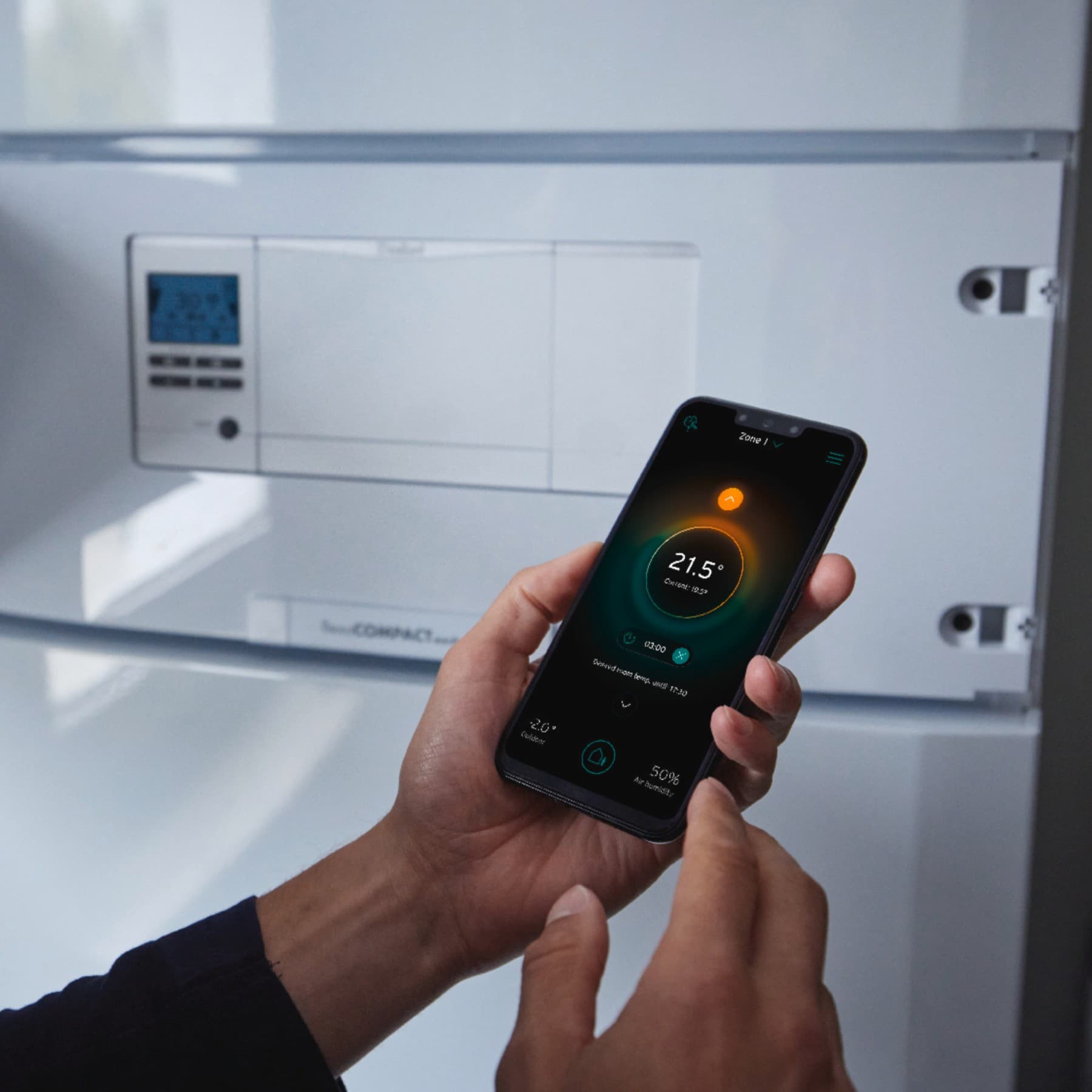
The fastest and most reliable way to lower room temperature is with our precise heating controls. Our smartest digital controls, and , allow scheduling and area-specific temperature settings. You can set the ideal temperatures for each room once and enjoy optimal comfort forever, or change the settings in seconds if needed.
You can also lower the temperature via your heating device, even without air conditioning. With a modern heat pump like our , you can cool your home as well. Here we explain how cooling with a heat pump works.
Traditional methods work too: cross-ventilating by opening windows and doors on opposite sides for at least five minutes helps to lower the temperature, bring fresh air, and reduce humidity.
Maintaining optimal room temperature has many advantages.
- Good for your health.
Achieving the perfect room temperature supports your physical and mental well-being, boosts your performance, and allows deep, restful sleep.
- Lower costs.
Many people heat their homes more than necessary. Lowering the temperature to ideal settings can positively impact your heating bill. Even lowering just one or two degree Celsius could cut energy costs significantly.
- Optimal humidity.
Maintaining relative humidity between 40 and 60 % at a room temperature of 20 °C is considered ideal. Deviating strongly from this range can lead mold formation and have an impact on your well-being.
- Maintained property value.
With optimal room temperatures and humidity you keep your home in optimal circumstances to keep it's value and don't gamble on bigger renovations because of bigger mold formation.