How to set the flow temperature of your heating.

The flow temperature is a key component of your heating system: It's the temperature at which water circulates through your heating system, delivering that essential heat to radiators and underfloor heating. It’s like the conductor of an orchestra, ensuring every room hits the perfect note of warmth.
Understanding and managing the flow temperature can significantly enhance your heating efficiency, reducing energy consumption and costs. It's not just about warmth; it's about smart, sustainable living.
Flow and return temperature
What is the flow temperature?
...And how does it relate to the return temperature?
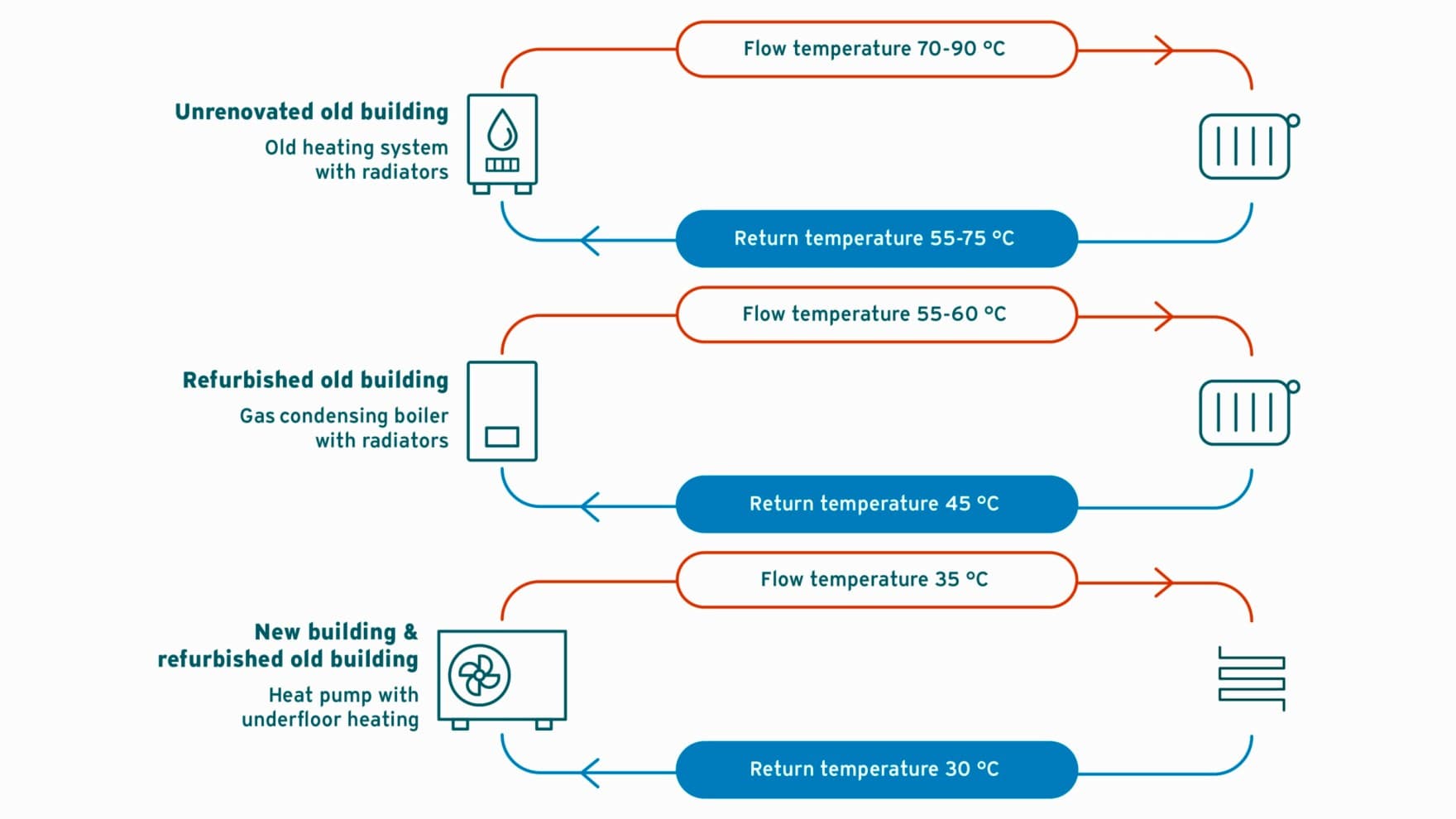
Two factors are crucial for a reliable and perfectly tuned heating system: the flow temperature and the return temperature. With correctly set heating systems, the flow temperature is always higher than the return temperature.
- Flow temperature
- Return temperature
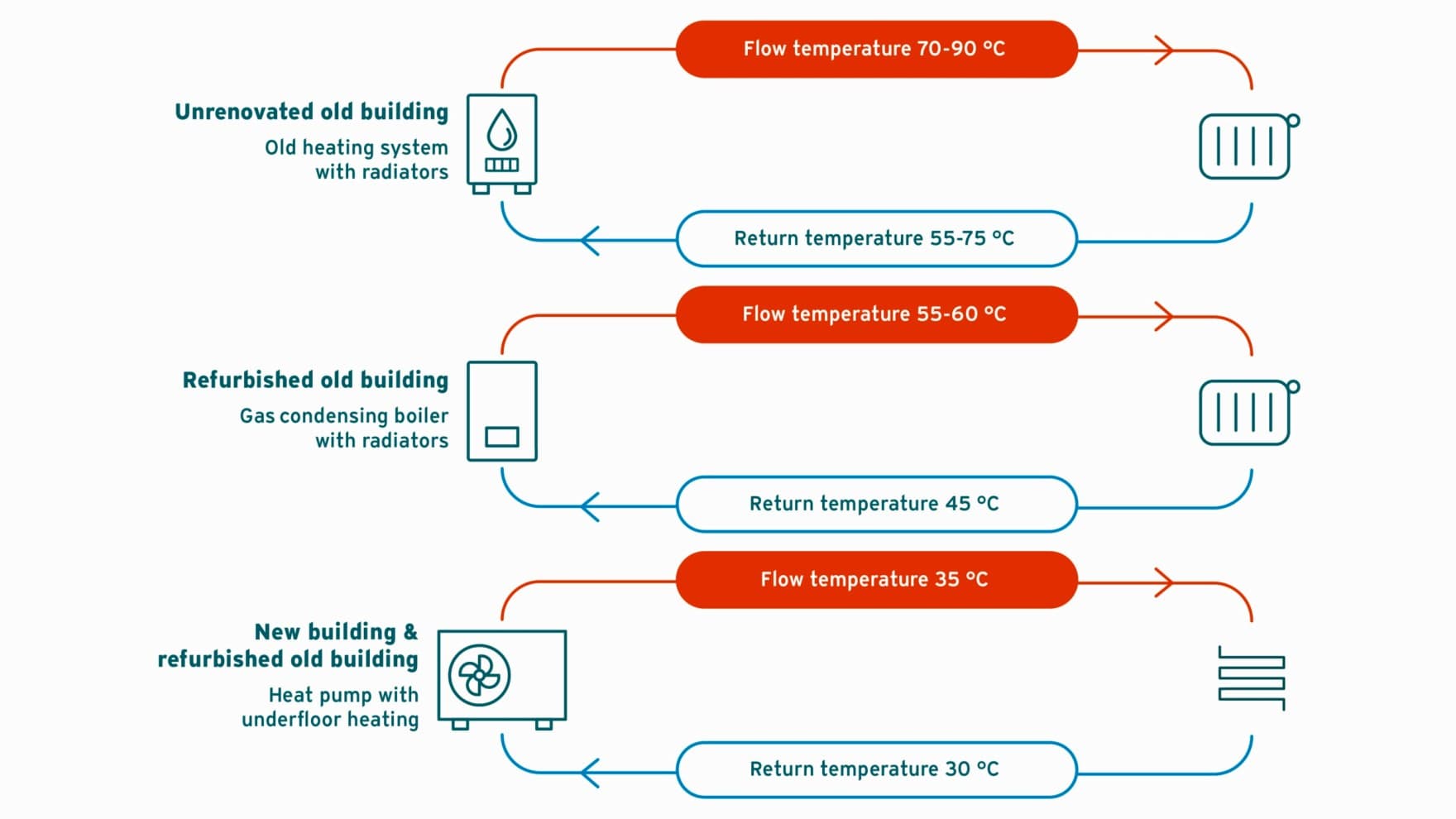
The flow temperature refers to the temperature of the heating water or fluid that has been heated in the heating system. This hot water leaves the heat source at a set temperature and circulates through heat emitters such as underfloor heating or radiators to heat rooms to the desired temperature.
In general, the higher the flow temperature, the more energy is required.
Heat pumps operate especially efficiently at low flow temperatures of about 35-40°C. This fits best with well-insulated houses using underfloor heating.
In older, less insulated buildings with gas boilers and comparatively small radiators, medium to high flow temperatures between 55 and 75°C are often required to heat the space. This is of course a lot less efficient, because more energy is used to heat the heating water.
Vaillant tip: rather choose a lower flow temperature.
If the flow temperature is too high, rooms do not automatically overheat as the thermostats intervene as limiters. This will result in higher running costs then necessary.
How to set the flow temperature
Five steps to your ideal flow temperature.
There are two ways to change the heating curve. As a homeowner with a Vaillant heating system, you can use the myVaillant app (iOS, Android) to optimise the flow temperature yourself. This is a process that requires a bit of effort over a few days, during which you document changes until you reach the perfect balance of the heating curve.
- Step 1: Understand the Basics.Learn about the heating curve
Firstly, understanding the heating curve is a very good start. The heating curve guides the flow temperature based on the outside temperature, ensuring your heating system runs smoothly. Aim for a relatively flat curve to maintain comfortable home temperatures, which may require some calibration for optimal balance.
- Step 2: Prepare and Document.
To start off: Write down values of your heating curve like initial settings, flow, and current outside temperatures. Keep your thermostats steady for accurate results.
Wait for stable temperatures of less than five degrees Celsius to see changes clearly. Focus on the temperature in a room in your home, that is usually coldest. This should be the benchmark to set the curve.
- Step 3: Make first Adjustments.
Start with small changes to the heating curve. For underfloor heating, the heating curve is lower than for radiators. Therefore, start with a slope of 0,3 for underfloor heating and 1.0-1.3 for radiators. Energy-efficient homes need a flatter curve; older homes might need a steeper one to keep warm.
- Step 4: Fine-Tune the Settings.
Keep adjusting until you find the best setup. As long as your desired room temperature is still reached (with steady thermostat settings), you can keep tweaking the curve to improve efficiency. Watch how the room temperature changes the lower you set the heating curve.
- Step 5: Plan Operating and Setback Times (for gas heating systems).Get professional support
For gas heating you can save more by setting times when heating runs at lower power, like at night or when the house is empty. If you’re unsure about the best settings, consult a professional for tailored advice.
Why good insulation matters.
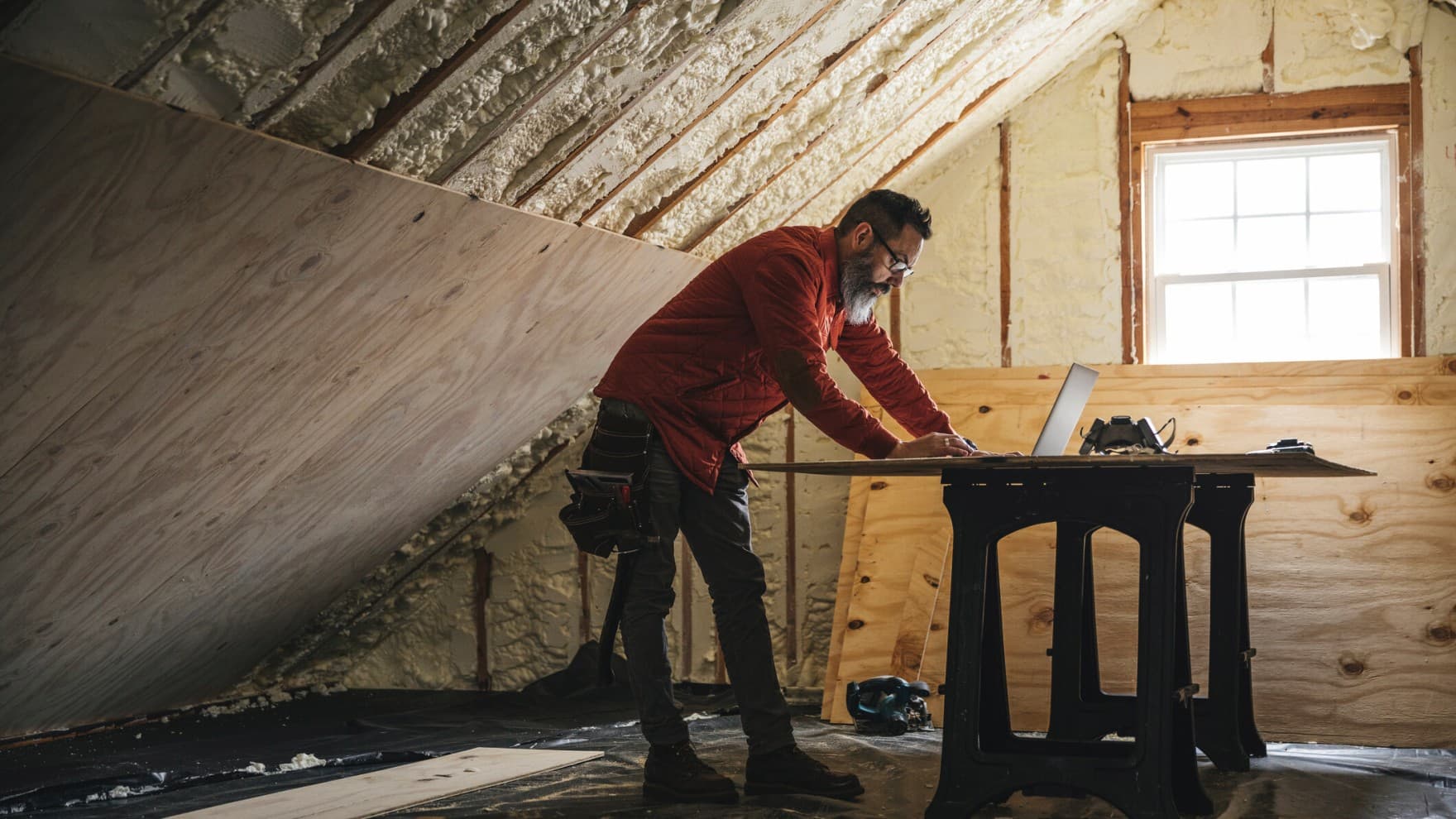
In addition to the heating system, the quality of the insulation is also decisive for the flow temperature: Well-insulated buildings require less heat for the desired temperature, so the flow temperature can be lower. For heat distributors designed as radiators or convectors, it should also be noted that they require a minimum temperature for effective operation, as heat radiation and air convection increase with the temperature of the heat distributor.
The heating curve also takes this into account.
How to set the heating correctly
Four tips to help you get most out of your heating.
- Set flow temperature
- Bleeding radiators
- Set thermostats correctly
- Night-time reduction
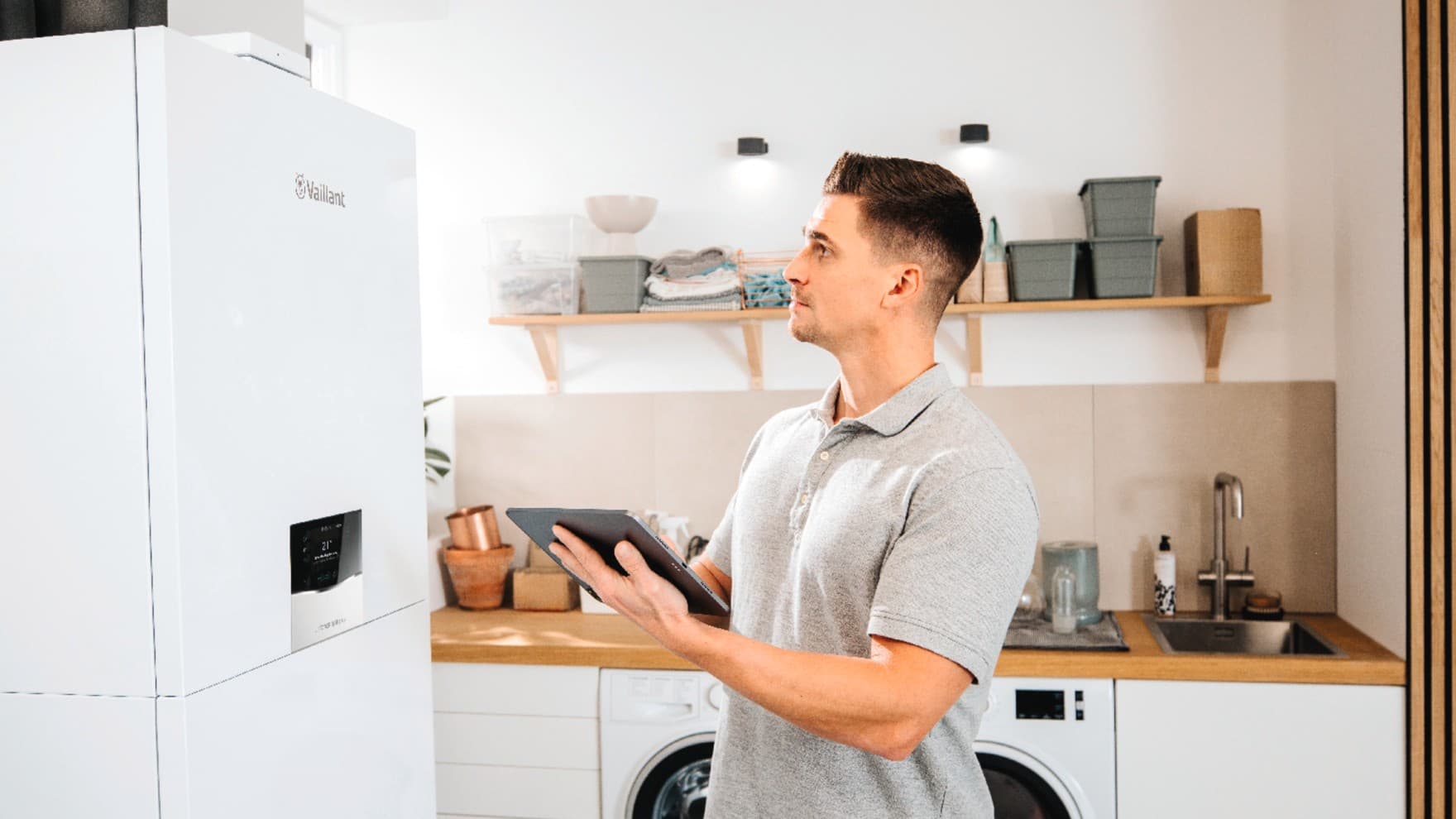
Set flow temperature
The flow temperature is strongly linked to the heating curve. In this pages section ‘Saving energy with the right heating curve’, we describe the relationship between the heating curve and the flow temperature. The heating curves illustrates the dependence of the flow temperature on the outside temperature. In modern heating systems, this setting is made by your heating engineer or via a weather-compensated control system. Changes to the heating curve are only necessary in extreme weather conditions.
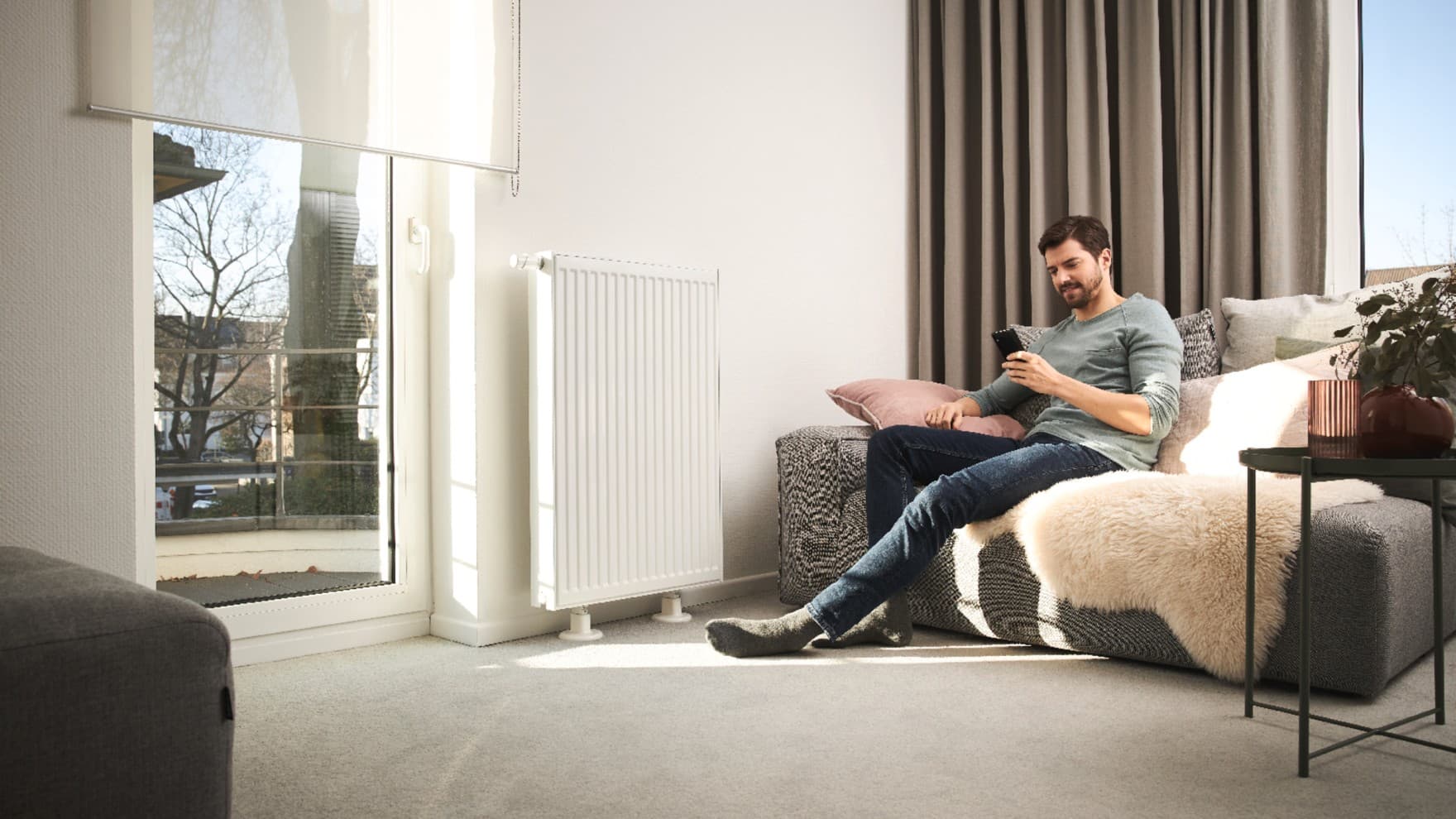
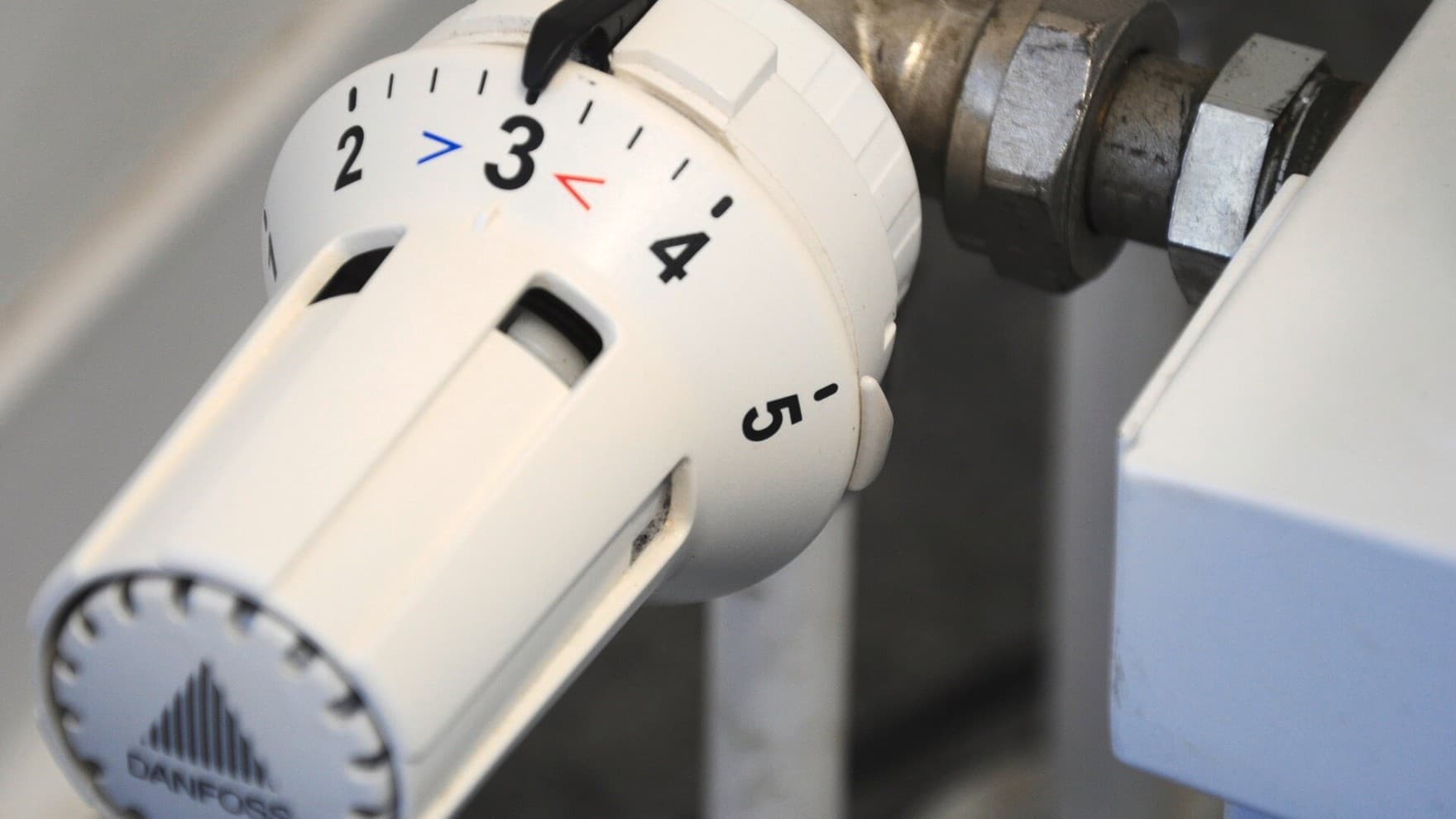

Importance of hydraulic balancing
The essential to even warmth in your home.
Before adjusting the heating curve, balancing your heating is crucial. Heating systems have multiple consumers with different water needs and resistances. Without proper balancing, this can cause uneven heating and increased energy use.
Hydraulic balancing equalizes these resistances, ensuring each consumer receives the right amount of water. Imagine a fountain with various spouts connected to one pump; it only works efficiently when the water needs are balanced, allowing all spouts to flow properly.
As it is prescribed by law, we recommend to have your heating balanced, which is a one off expense. Our local partners will be happy to advise you.
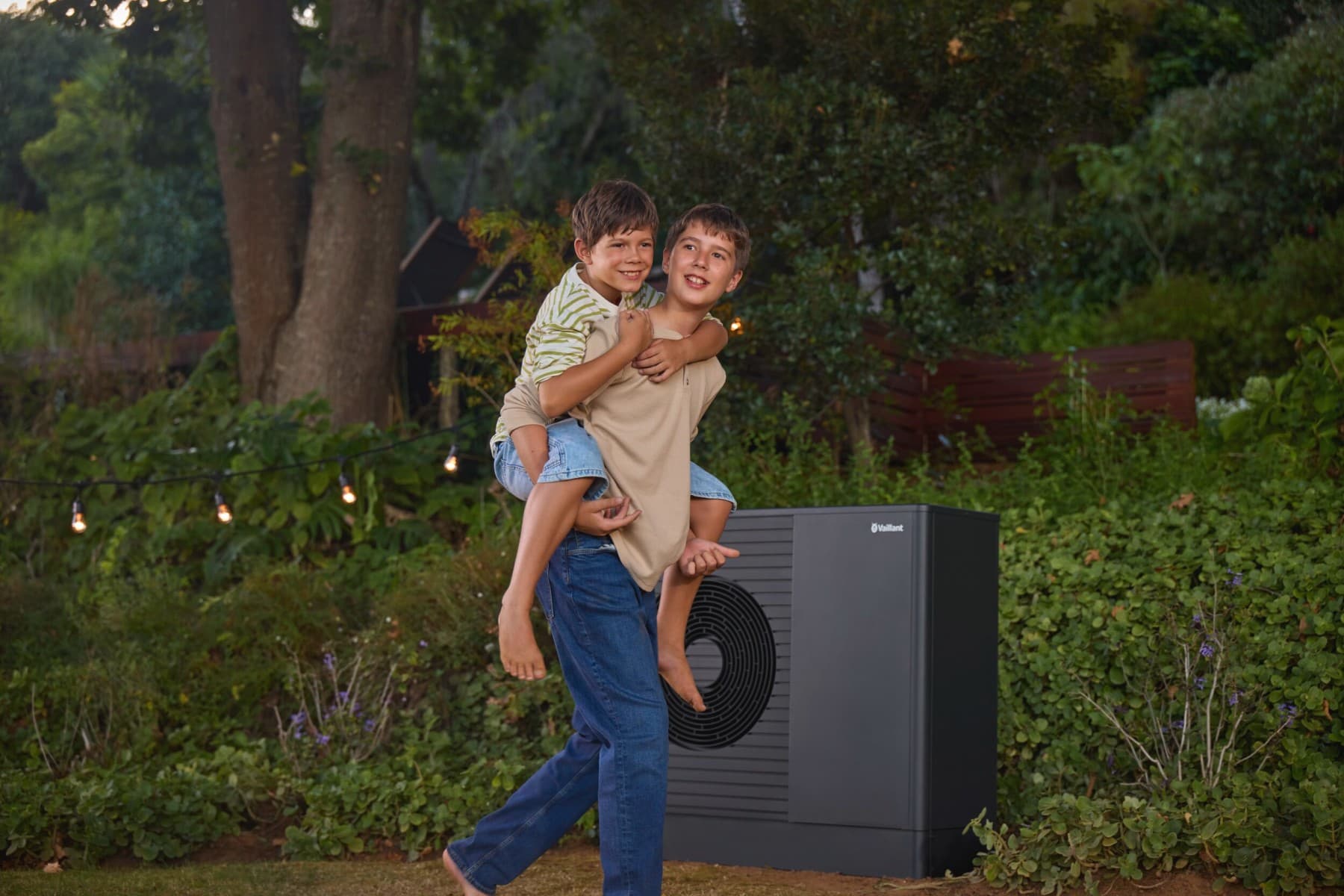
Have you met the perfect match?
A low flow temperature and heat pumps - they simply belong together. Because heat pumps in particular benefit from a lower flow temperature, as the ratio of environmental energy to electricity improves. In order to enjoy optimal heating comfort even at a lower flow temperature, you need heat distributors with a large surface. This is why underfloor heating systems are particularly suitable to maintain pleasant temperatures while saving energy cost.