The costs of a heat pump: invest today, save tomorrow!

Financial advantages of heat pumps
Your financial advantages.
- Turn a little power into a lot of heat.
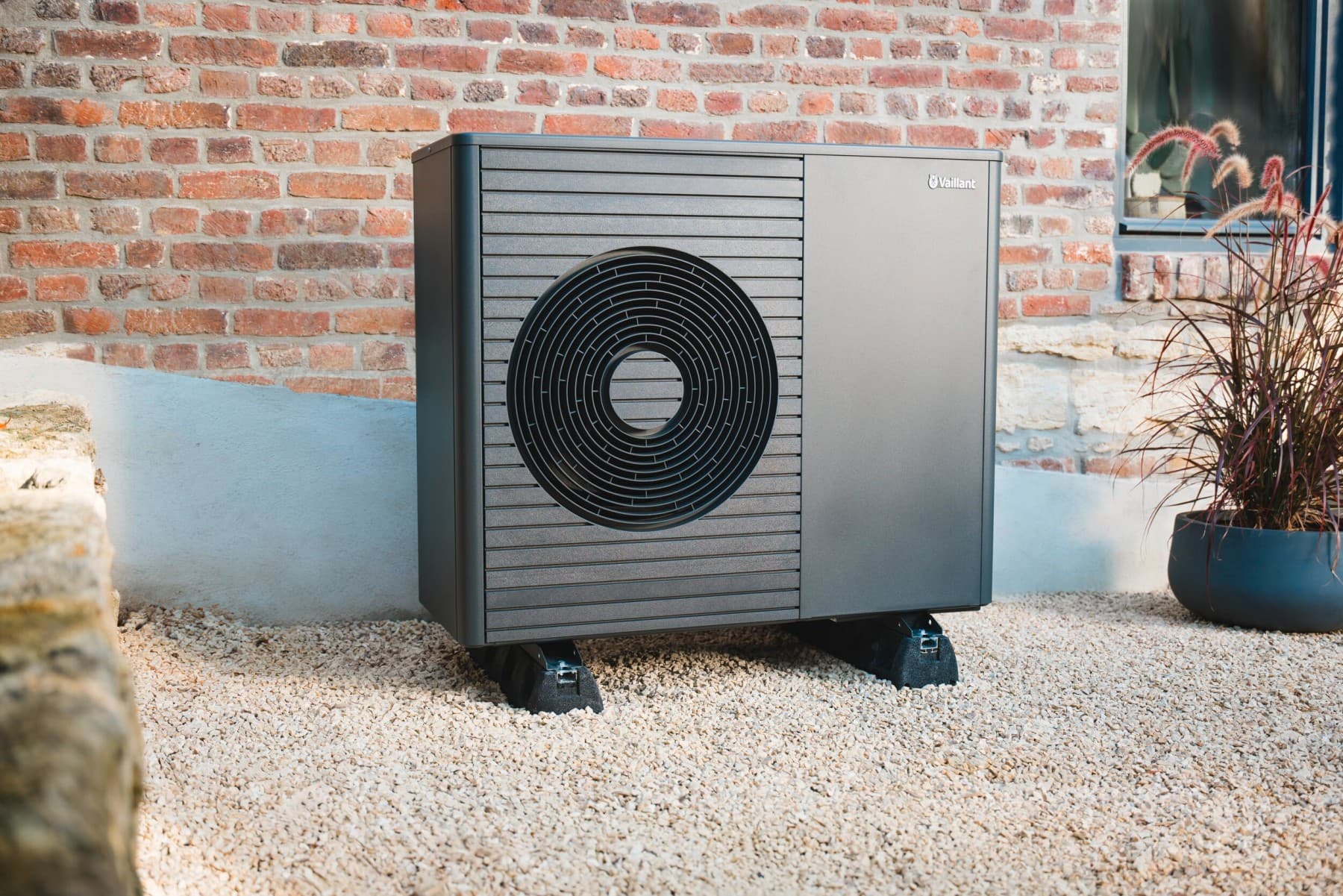
Heat pumps can deliver up to four times as much heat energy as they require electricity to run. They are therefore a lot more economical in operation mode than fossil heat generators.
- Profit from lower running costs over many years.
Don't let higher investment costs put you off. With a heat pump you will benefit from significantly lower operating costs than other conventional heating systems, because you will not be affected by CO₂ taxation which are expected to increase heating costs by 25-35% in the future.
- Secure high state subsidies while they last.
As a private homeowner you may qualify for state subsidies up to 70 percent. In addition to the basic subsidy for eco-friendly new heating systems, there are extra bonus subsidies available. These apply to heat pumps using ground or groundwater sources, or those operating with a natural refrigerant.
- Take the path to more financial autonomy.
The purchase cost of a heat pump, depending on the subsidy and type, can be offset in 10 to 15 years. When combined with a PV system, a heat pump becomes even more cost-effective by generating its own electricity and reducing utility bills. Plus, it really increases your property value!
Heat pump costs
Types of costs for your peace of mind.
When purchasing a heat pump you need to consider three main cost items:
- the purchase price
- the installation cost
- the running cost
Each point varies depending on the type of heat pump you choose, how much subsidies you are eligible to receive as well as the electricity tariffs and your heating needs.
Purchase and installation costs
Comparing initial costs of different heat pump types.
- Air-source heat pump
- Ground-source heat pump
- Water-source heat pump
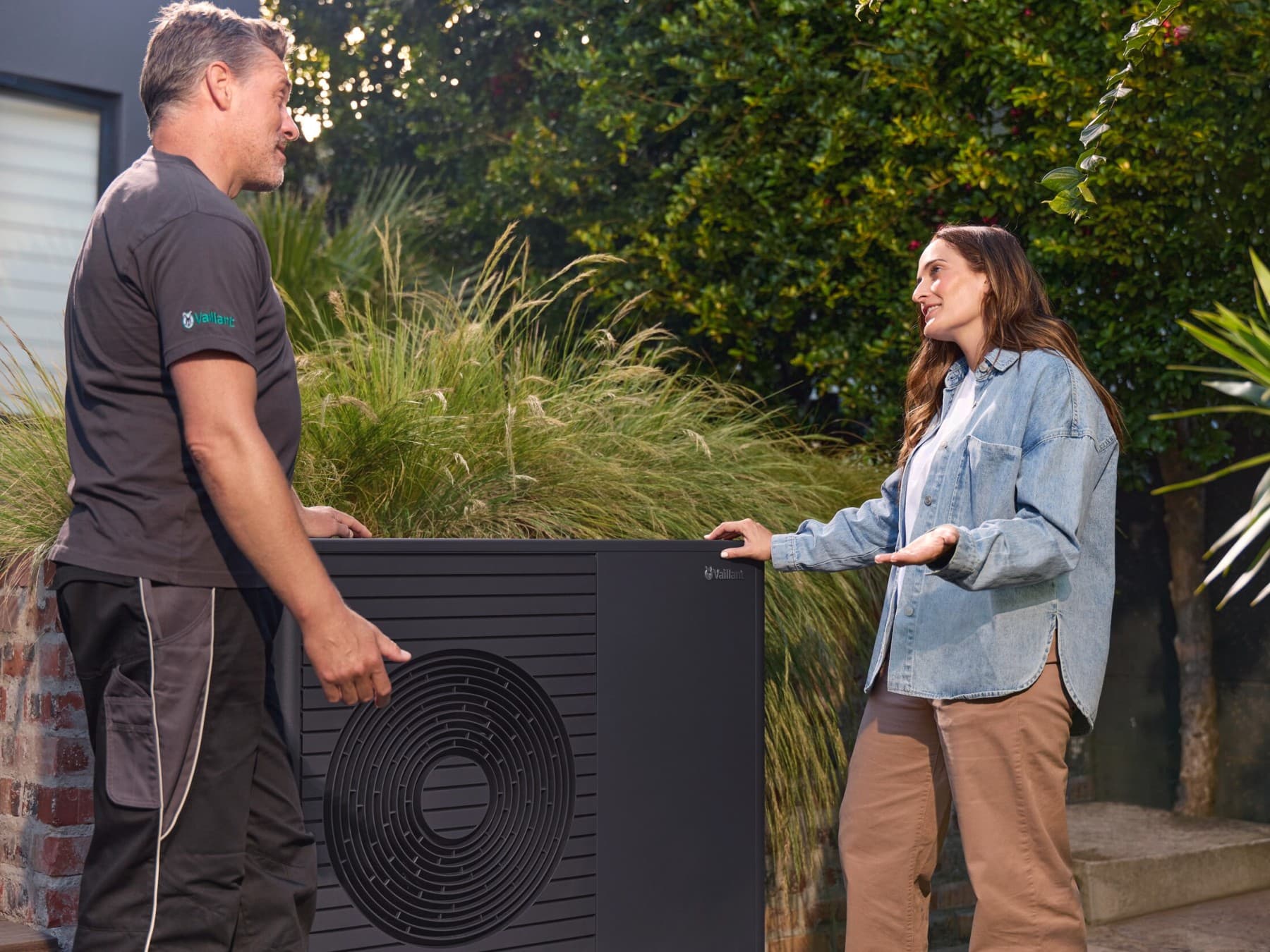
Air-to-water heat pumps are most pupular because they draw thermal energy directly from the air, saving you the hassle of making room for a borehole, collector, or probe. Plus, they are easy to install and can be placed just about anywhere.
Annual savings, daily smiles.
- Air-source heat pump
- Ground-source heat pump
- Water-source heat pump
An air-source heat pump has lower initial cost, but it's COP of 3.5 isn't as high as that of a ground or water source heat pump. This results in higher running costs compared to the other heat pump technologies.
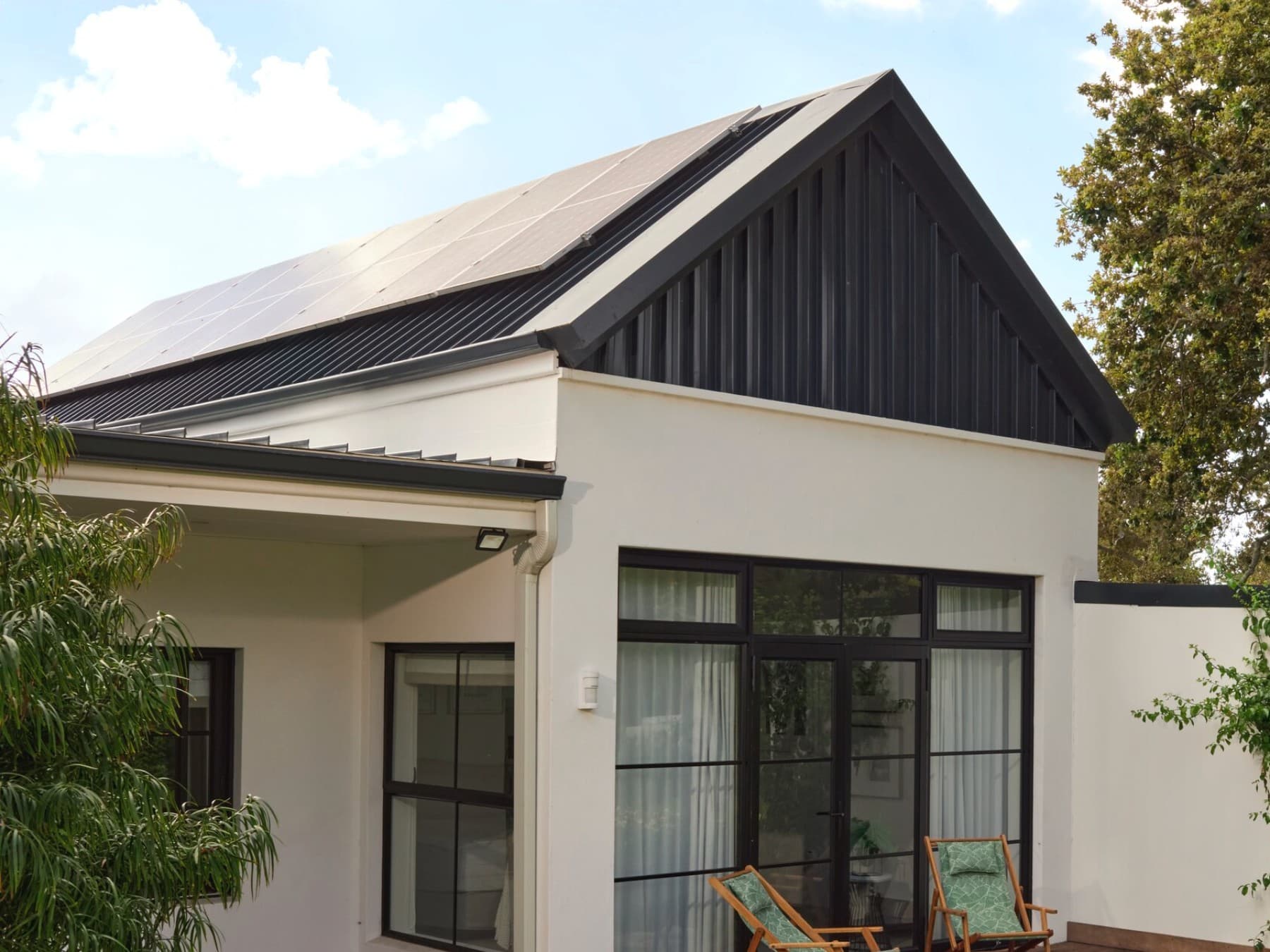
Team up heat pumps with PV for extra low consumption costs.
Creating your own electricity obviously reduces energy spendings on heat pump operation – and that’s exactly what you do when adding photovoltaics to your system. Just make sure that your heat pump is “pv-ready” at purchase and save even more on running costs compared to your old heating system!

Radiators or underfloor heating? A worthwhile check.
This is a question to look into, because both have their advantages.
Compared to conventional radiators, underfloor heating systems have significantly larger heating surfaces. As a result, they require lower flow temperatures to achieve the desired room temperatures, thus reducing the running costs of the heat pump in terms of energy consumption.
However, even if the standard recommendation is to use underfloor heating, it's worth taking a closer look. In some cases, upgrading to underfloor heating may not be necessary.

Benefit from special energy tariff conditions for heat pumps.
Also, keep in mind that the vast majority of electricity providers offers specially designed tariffs for heat pumps. This is a great way to lower your energy prices even further. All it requires is a separate electricity meter for the heat pump and the network provider’s access to the heat pump.