
COP matters: make informed heat pump decisions.

Definition of COP
The best decisions start well informed.
When comparing heat pumps, you will come across many different terms and key figures such as COP (coefficient of performance), SCOP (seasonal coefficient of performance) and SPF (seasonal performance factor). This may sound complicated at first, but it will make your choice much easier. Here we help you to read, understand and interpret the data correctly – so that you can proceed as efficiently as possible when selecting your heat pump.
What the COP reallly tells you: The coefficient of performance (COP) provides information about the ratio of heat generated to electrical energy used – in short, the power input to the power output or the efficiency of a heat pump: the higher, the better. The value relates only to the heat pump, not to the associated heating system. It is therefore particularly suitable for comparing different heat pumps before making a purchase.
Vaillant tip
Make sure to compare the same COP values between different heat pumps.
The COP of a heat pump is always determined under laboratory conditions and on the basis of different average conditions (outdoor temperature etc.). This means that when comparing COPs of various heat pumps, you must always compare values measured under the same conditions e.g. with a flow temperature of 35°.
How to interpret the COP
What does this mean? A-7/W35 = COP 4,8
A-7: The initial letter provides information about the respective energy source, in this case A, i.e. air. If the energy source is water, this is followed by a W or by a B, when it’s brine. This is followed by the average outside temperature used for the measurement. In this case -7°.
W35: The next letter stands for the heat transfer medium, which is also labelled A, W or B. In this example, it is water. This is followed by the flow temperature of the measured system, in this case 35°.
Therefore, the COP of 4,8 was measured at an air temperature of -7° Celsius and a flow temperature of 35° Celsius.
This means that one kilowatt hour of electricity provides 4.8 kilowatt hours of heat. As this value is in the upper third of the recommended range between 3 and 5, the heat pump produces an above-average amount of heat with very low power consumption. A heat pump with this value is therefore in an above-average efficiency range.
High COP products
Want the best COP heat pumps? Choose our top scorers.
- 1/3Air-to-water heat pumparoTHERM plusOur most efficient air/water heat pump reduces operating costs.Get more details
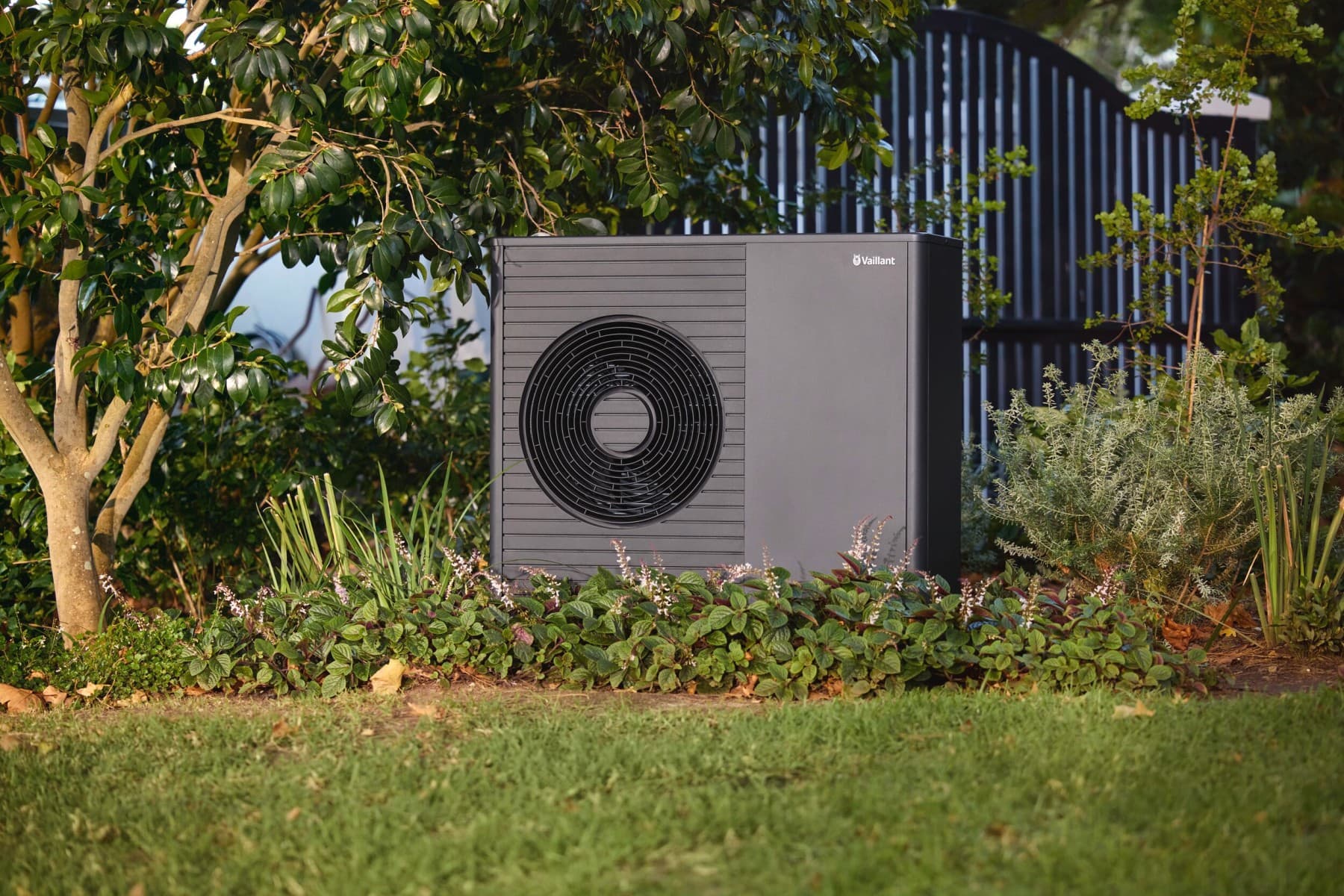
Efficiency in its most flexible form.
- Our most efficient air/water heat pump reduces operating costs.
- Our quietest air/water heat pump with 28 dB(A) for a peaceful neighbourhood
- Maximum freedom of positioning thanks to uniquely minimal protective zones.
- Elegant design in black grey
- Including free 5-year guarantee
The new standard: Our new aroTHERM plus heat pump always finds its place. This is because our safety concept, which is unique in the industry and minimises the necessary distances. Equipped with the natural refrigerant R290, it is our most efficient air-to-water heat pump and generates up to five parts heat* from one part electricity. Available in output sizes from 3 to 12 kW, it is ideal for one-family houses - even with existing radiators, of course.
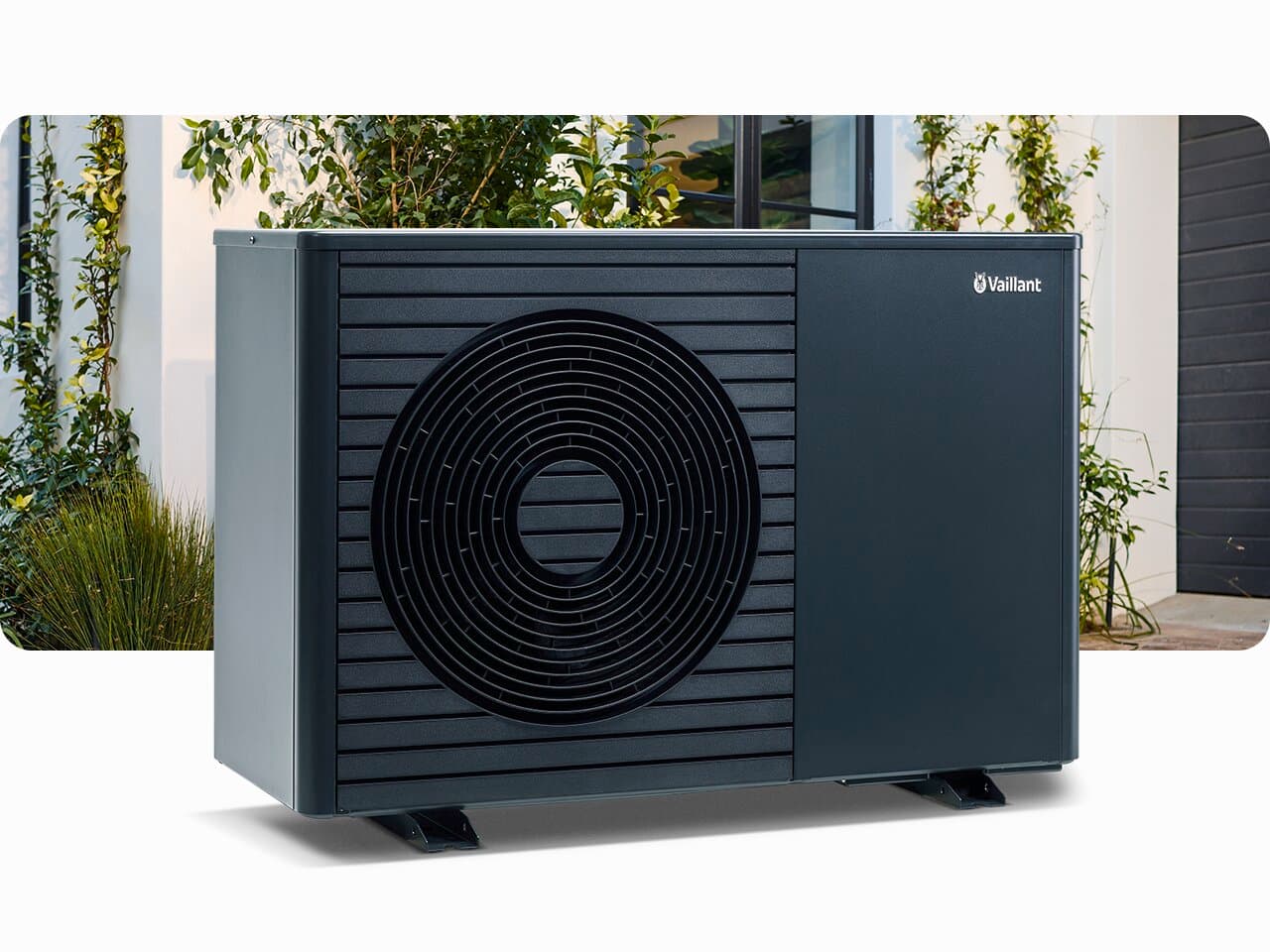
- 2/3Air-to-Water Heat PumparoTHERM proMinimum size for maximum comfort: the aroTHERM pro with an output of 5 to 11 kW is our space-saving heat pumpGet more details
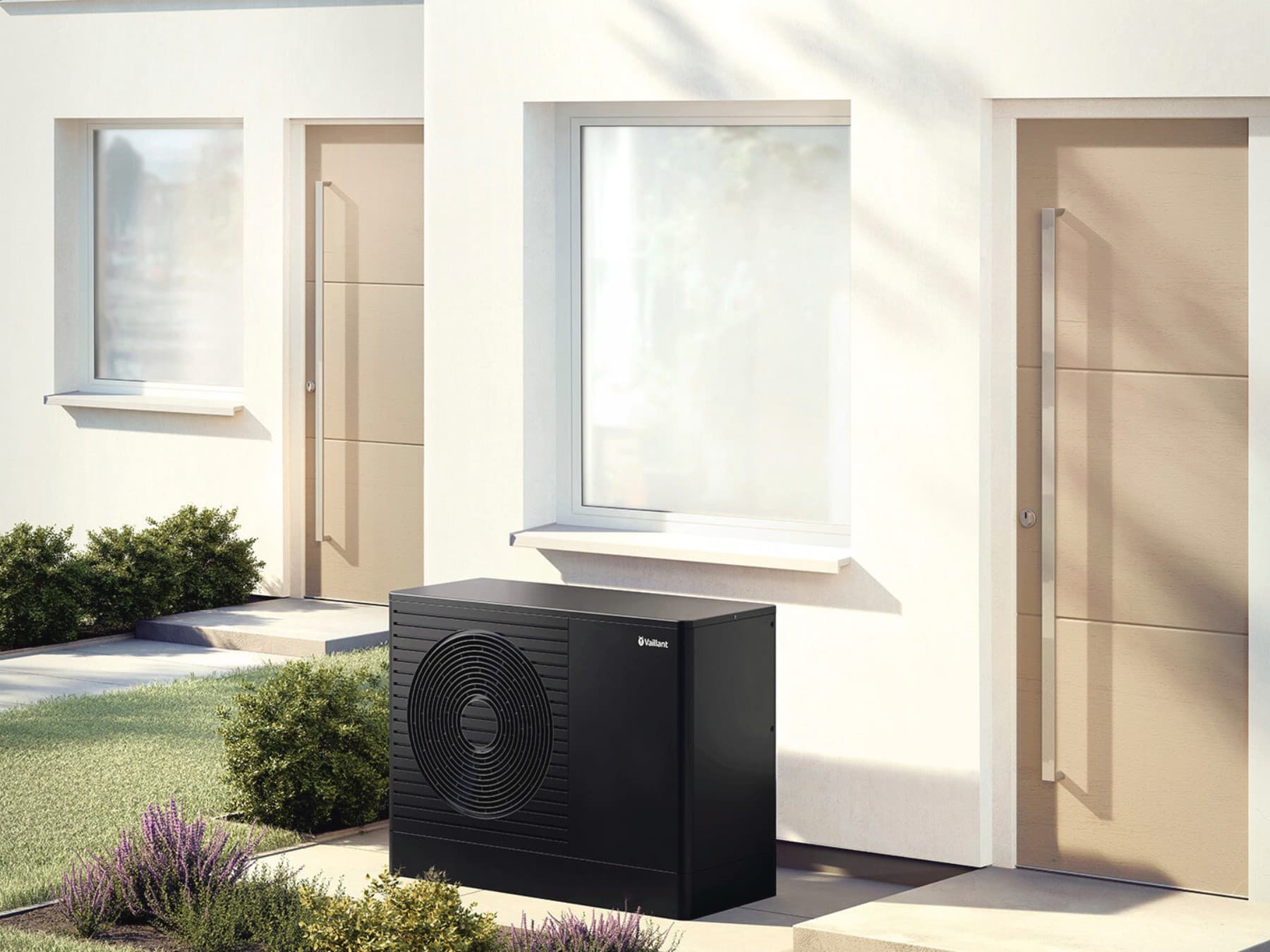
The space saver for outdoor installation
Minimum size for maximum comfort: the aroTHERM pro with an output of 5 to 11 kW is our space-saving heat pump. It is not only the ideal solution for new buildings. Due to its high flow temperatures of up to 70 °C, it is the ideal solution for modernising your heating system while keeping existing radiators. Thanks to our industry-unique safety concept to reduce protective zones, the heat pump can be placed almost anywhere. With ErP labels up to A+++ (D - A+++), it offers highly efficient heating and is also eligible for subsidies. Furthermore, its use of the natural refrigerant R290 makes it a future-proof choice.
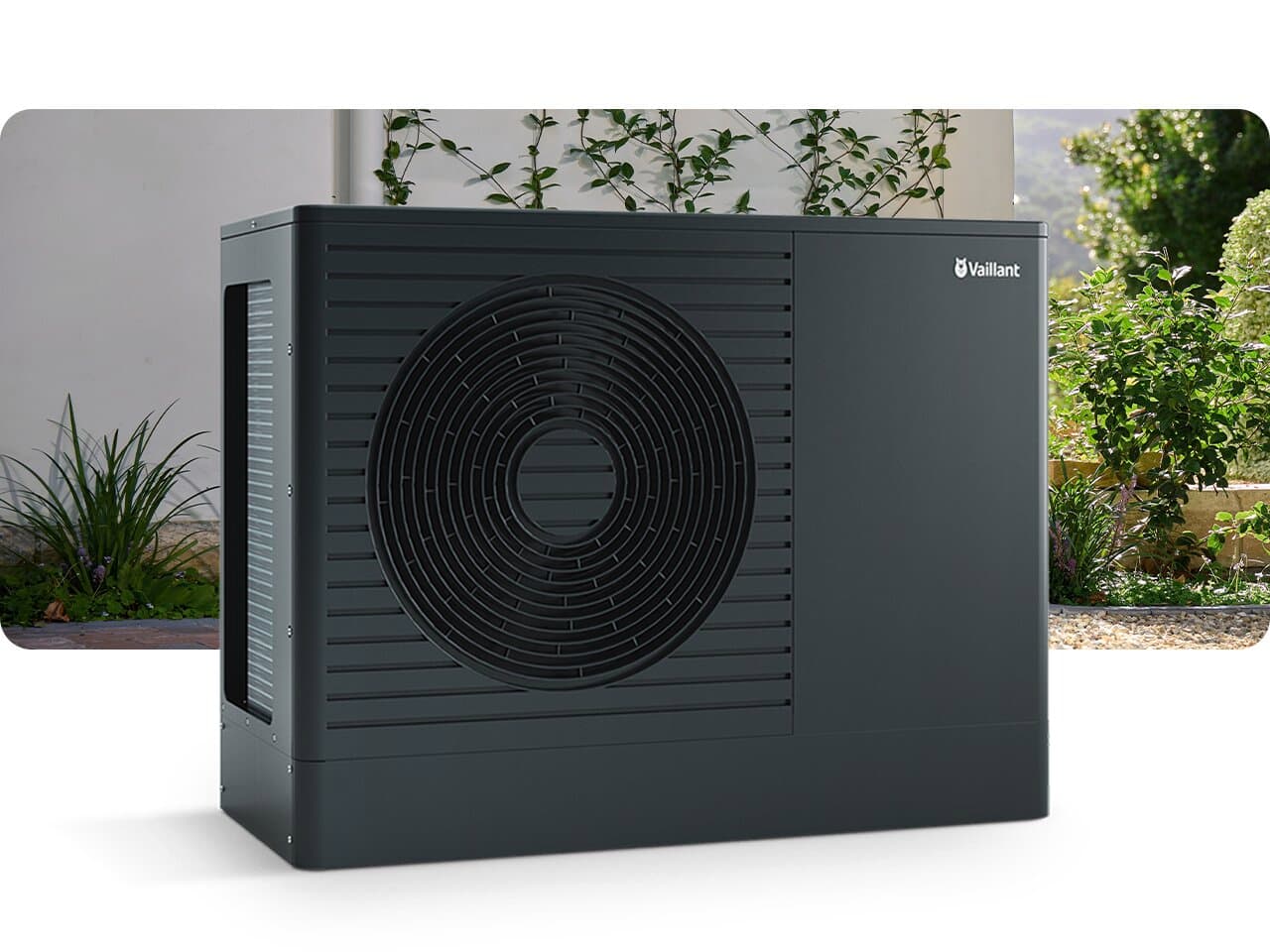
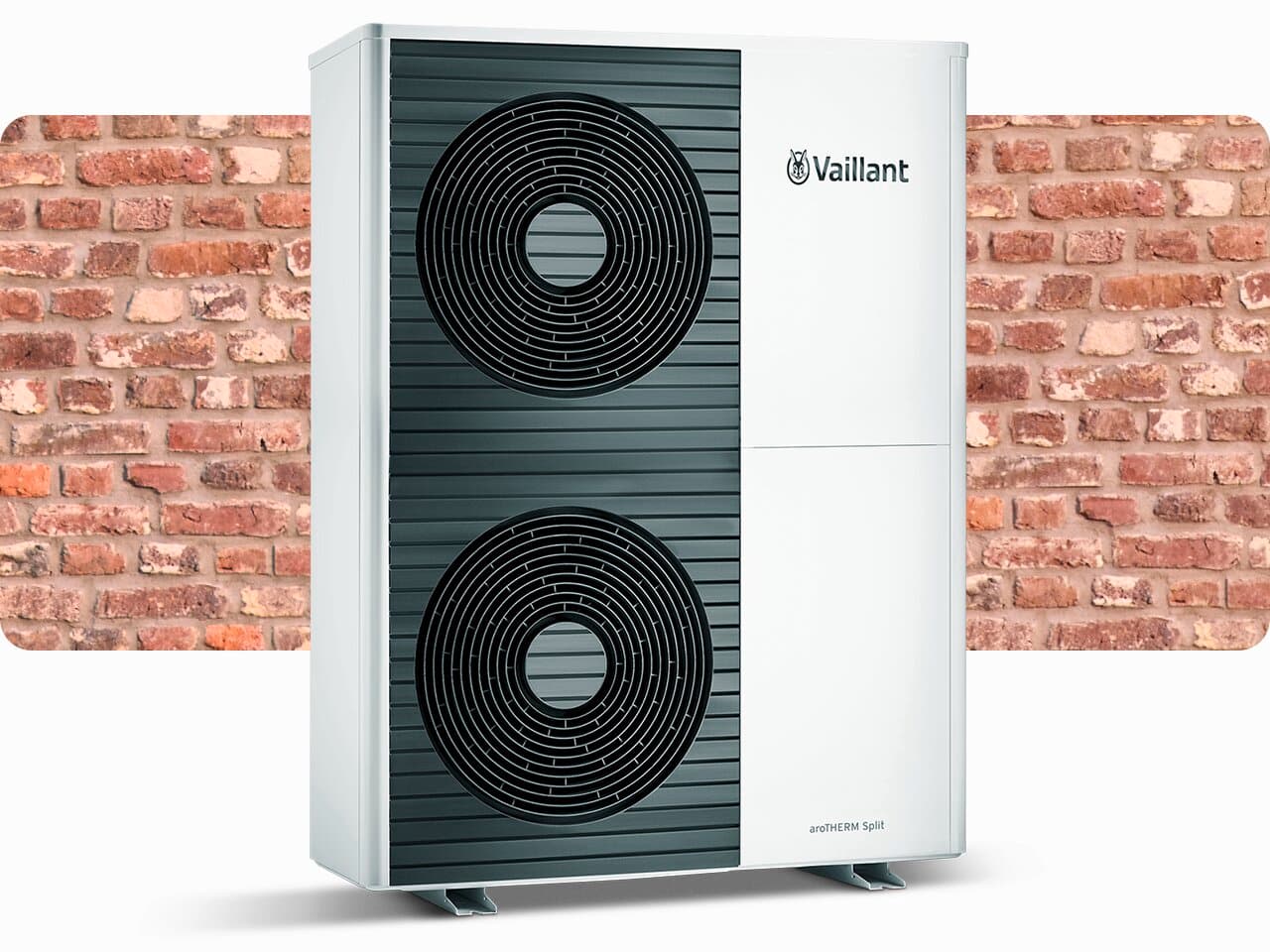
- 3/3Air-to-Water Heat PumparoTHERM SplitA split heating solution with up to 12 kW output for larger single-family houses or multi-family houses.Get more details
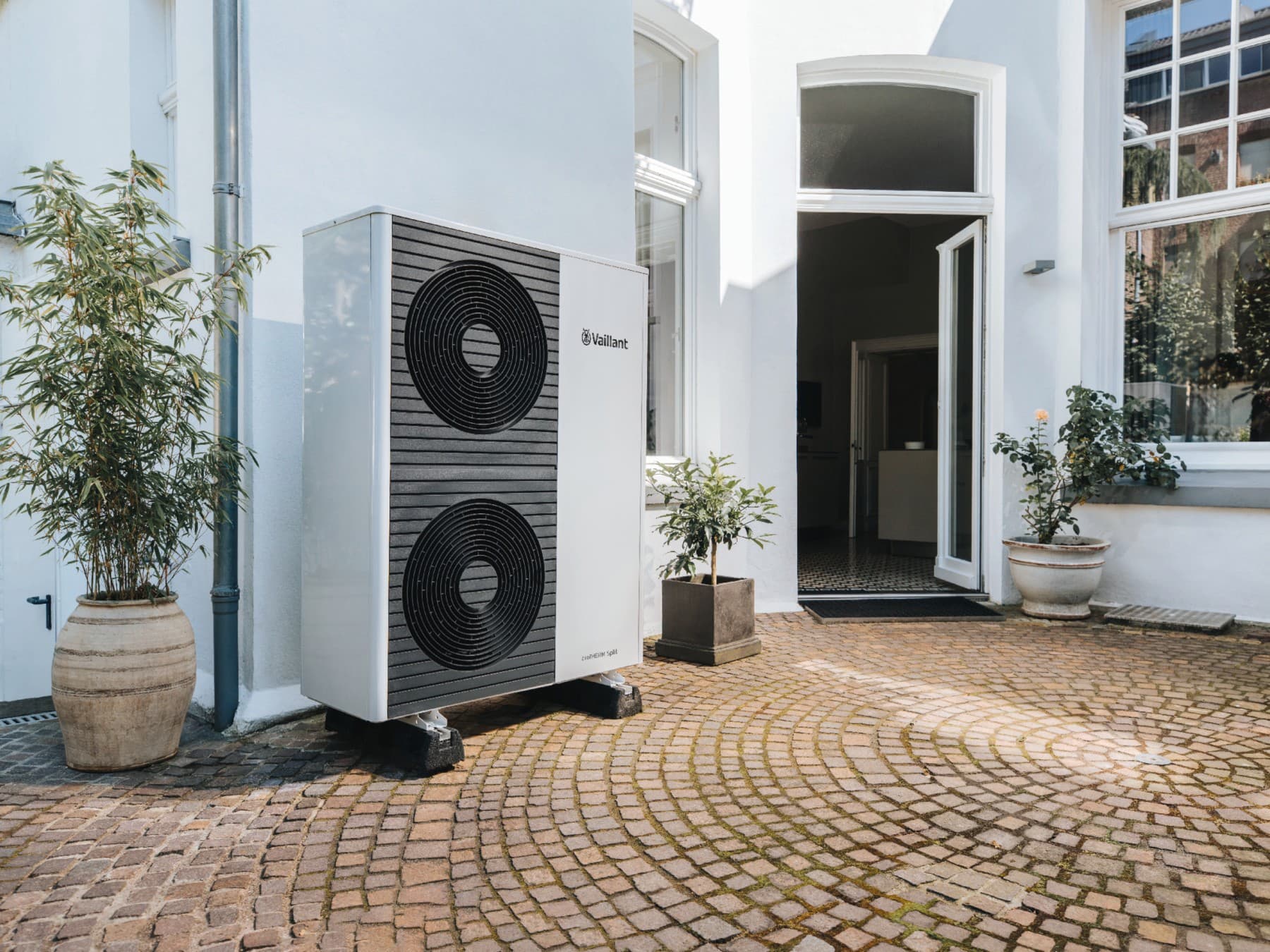
A split heating solution with up to 12 kW output for larger single-family houses or multi-family houses.
- Super quiet operation
- High energy efficiency at low operational costs
- Outstanding quality and durability
- Can even be installed up to 40m away from your property
The aroTHERM Split heat pump increases your energy efficiency by using free environmental heat as its main energy source. With its output of 10 and 12 kW it is a cost-efficient heating solution for larger single-family houses or multi-family houses.


COP: the key to your subsidies.
In many cases, the efficiency of a heat pump is a decisive factor in eligibility. For this reason, the COP has real financial value in the long term. From a COP of 3, for example, you can receive governmental funding. Our local installers will be happy to support you with possible subdies.
COP vs. SCOP vs. SPF
How SCOP and SPF differ from the COP.
- The 'seasonal coefficient of performance': SCOP.
- The 'seasonal performance factor': SPF.
The SCOP gives information about the heat generated by a heat pump in relation to the electricity used across different temperatures. This is done to account for the seasonal changes in outside temperature. Whereas the COP represents a snapshot of the heat pump’s capabilities under ideal circumstances, the SCOP gives a more realistic overview over its capabilities across a heating cycle.
How to rate the value: To calculate the SCOP, the heat pump’s efficiency is measured across a range of temperatures of 12°, 7°, 2° and -7°. Additionally, it is measured for each climate zone (North-middle, and South Europe) individually. By taking this range of measurements, the SCOP gives a more accurate representation of a heat pump’s efficiency during a heating season.