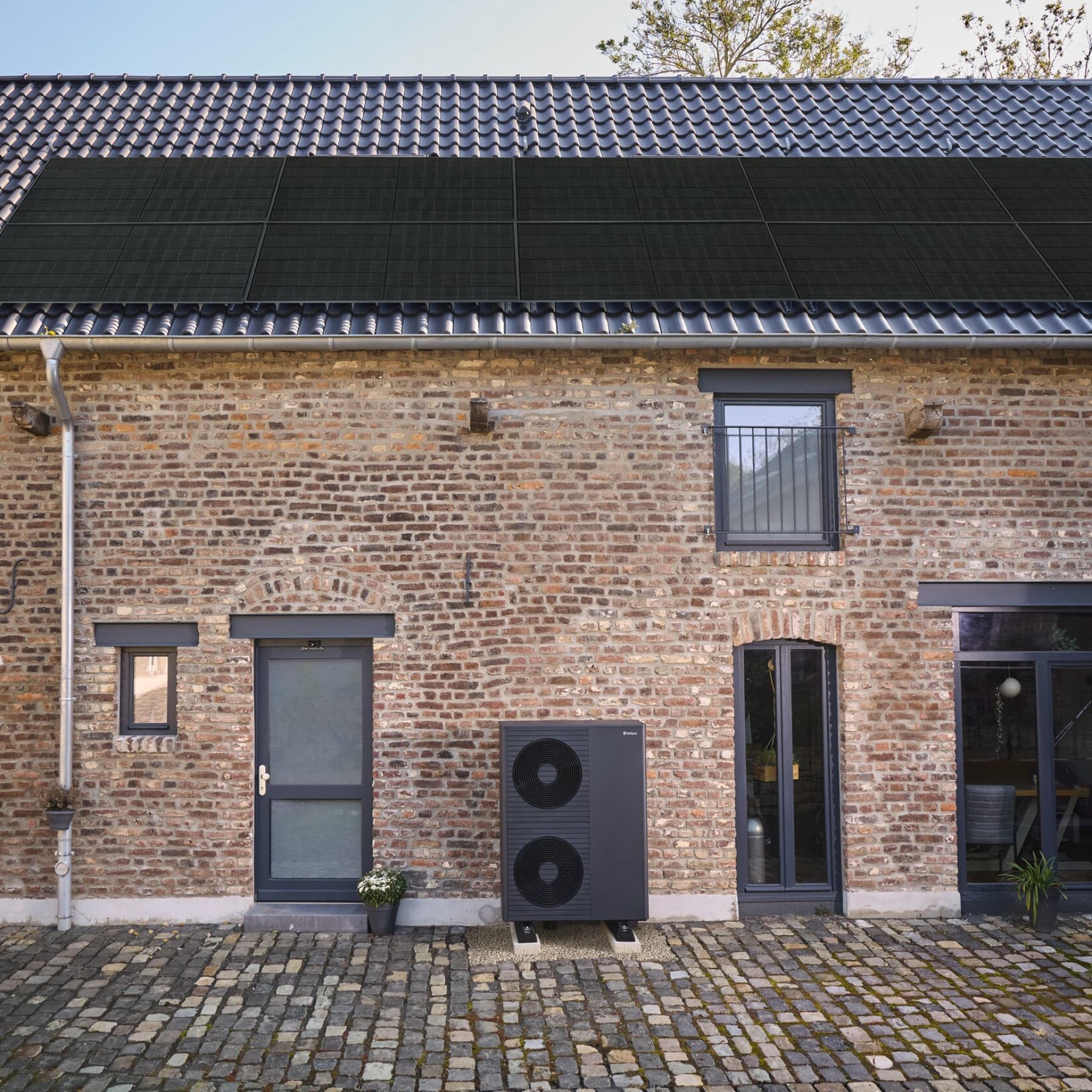
Balancing energy needs and consumption in your home.

Energy demand vs. energy conumption
What is the difference between energy demand and energy need?
Often the terms energy need and energy consumption are used as synomyms, even though they acutally mean different things.
The energy demand refers to the estimated or calculated amount of energy that a house requires. It is determined in advance based on the characteristics of the building and its heating system. Energy need is a theoretical value used for planning renovation measures and calculating the energy efficiency classes of buildings.
The energy consumption on the other hand is the actual measured amount of energy that a house uses over a specific period. It is calculated retrospectively through measurements. Energy consumption is a factual value that provides insight into the actual energy usage and assists in cost control.
Statistics
The energy consumption in Europe.
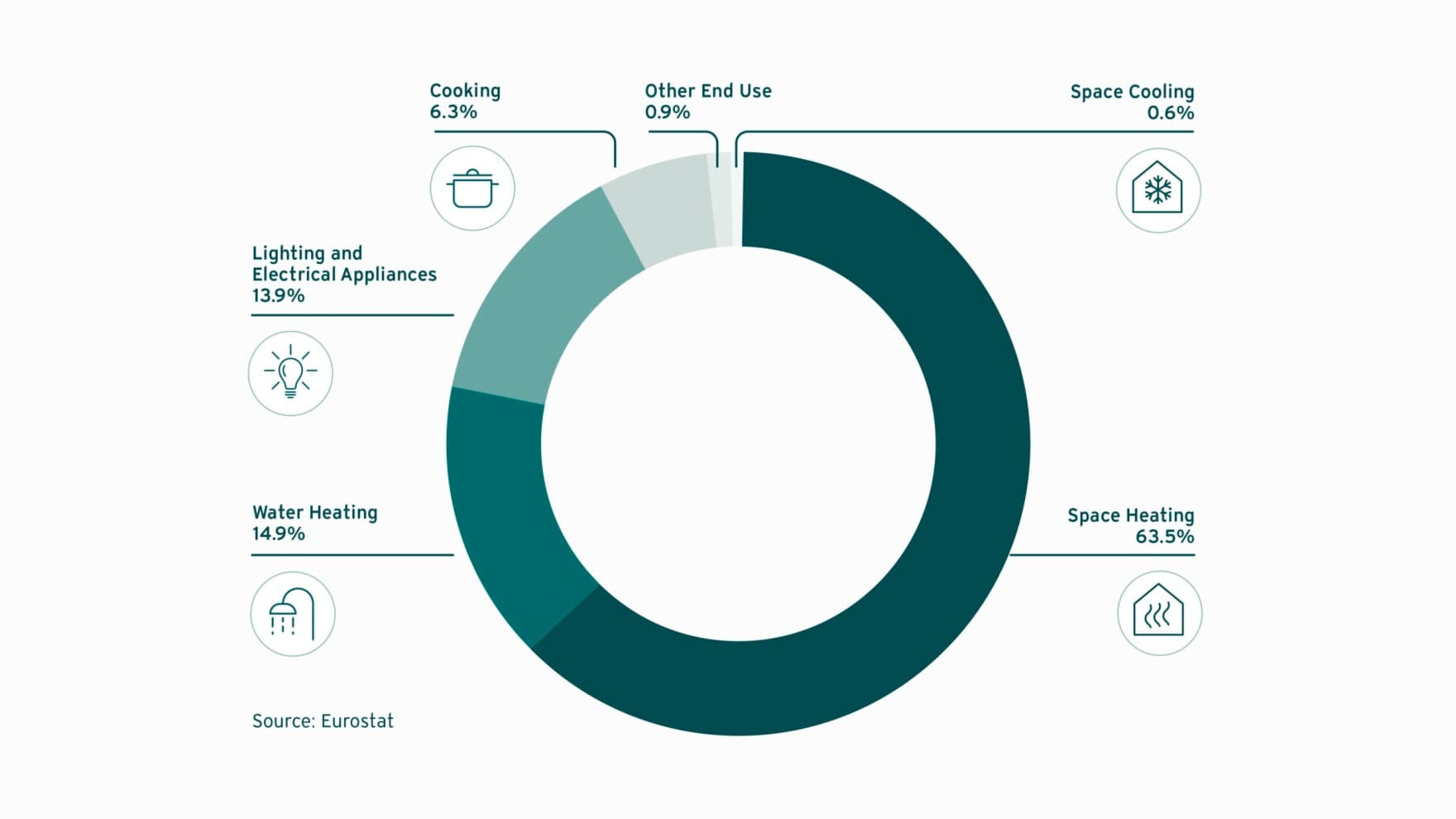
Would you have guessed? By far the highest energy demand in households is for heating. In the EU, according to Eurostat (2022), 63.5% of household energy is used for space heating. In second place is water heating, which accounts for 14.9% in the EU, often also generated through the main heating system. This highlights the greatest potential for energy savings, as space and water heating together account for 78.4% of household energy consumption.
Incidentally, electricity for operating household appliances accounts for only 8.2%, and lighting even only 1.5% of the total demand.
Calculation of the energy demand
How to determine the value between energy demand and energy consumption.
- Online calculator.
You can use various online calculators to determine your heating energy needs. Then, compare the results with your heating bill and choose the calculator that provides the most realistic outcomes for you. Additionally, by adjusting individual parameters in the online calculator, you can directly observe how they affect your energy demand.
- Comparison is important.
Compare online calculator benchmarks with your annual bills to quickly assess if your energy demand is "normal" or too high. This helps determine necessary renovations. You can also estimate your home's energy efficiency by checking against the values in the energy performance certificate.
- Create an individual renovation plan.Get in touch with an expert
For a comprehensive energy renovation, it is best to have an energy efficiency expert create an individual renovation plan for you.
Modernise your heating system
Rising CO₂ prices expected.
Keep in mind that energy expenses are likely to rise due to the CO₂ charges on fossil fuels. One of the most effective ways to achieve substantial savings over time is by lowering energy usage through replacing heating systems or conducting energy-efficient upgrades.
Heating systems and their efficiency - an overview.
- Heat pumps
- Gas heating systems
- Oil heating systems
Heat pumps harness energy from two main sources. Up to 75% comes from renewable sources like the air outside, groundwater, or the earth. Electricity is the second source, used to compress refrigerant within the pump. They transfer heat from cooler zones to warmer areas. With efficiencies ranging from 300-500%, they produce three to five times the energy they consume, delivering practical efficiencies far beyond one hundred percent—a feat other systems can only claim in theory.
Optimize heating consumption
How to lower the energy consumption for heating your home.
- Lower home temperature.Limit room temperature to a maximum of 21 °C to enhance energy efficiency - that is the recommended average temperature of a home.
- Correct ventilation.Opt for airing out the rooms in your home intensively instead of keeping your windows constantly tilted.
- Hydraulic balancing.Consider hydraulic balancing to optimise heat distribution in the heating system, which reduces energy consumption and thus lowers heating costs.
- Additional use of solar energy.Heating support through solar thermal energy can help reduce energy consumption and increase the efficiency of heating systems by utilizing renewable energy sources.
Optimize Hot water consumption
How to lower the energy consumption for hot water in your home.
However, there are ways to save the energy consumption for warm water to some extent with these simple tips:
- Choose showering over bathing.Showering can save a significant amount of water compared to bathing. While a bath uses about 120 to 150 liters, a 10-minute shower uses roughly 50 to 80 liters, saving approximately 70 to 100 liters.
- Lower hot water temperatures.To save on energy costs, adjust your water heater's temperature while keeping it above 55°C to prevent Legionella risk. This simple change can significantly reduce energy consumption without sacrificing comfort.
- Install a water-saving shower head.A water-saving showerhead can reduce water usage by up to 50% through a lower flow rate and technologies like air injection, which lowers both water and energy costs without compromising shower comfort.
- Install flow restrictors on your faucets.When washing hands, a standard faucet can use 6 to 12 liters of water per minute. With flow restrictors, this can be reduced to 3 to 6 liters per minute, saving about 1 to 2 liters per handwashing session.

Average electricity consumption
And what about the average electricity consumption of a household?
| Number of people | Average electricity consumption (kWh/ year) |
|---|---|
| 1 | 2,000 kWh |
| 2 | 3,000 kWh |
| 3 | 4,000 kWh |
| 4 | 5,000 kWh |
Optimizing electricity consumption
Options to reduce electricity consumption in your home.
- Turn off electronic devices.By completely turning off electronic devices such as televisions etc. instead of using standby mode, you can easily reduce unnecessary power consumption and save energy.
- Invest in energy-efficient appliances.In the long run, investing in high-efficiency household appliances, even if they are slightly more expensive, is a wise choice to reduce electricity usage and operating costs of approx. 10-30% depending on the appliance.
- Switch to LED lighting.Replace traditional light bulbs with LED lamps, which use less energy and have a longer lifespan. For exaple a traditional light bulb lasts about 1,000 hours while LED bulbs can run between 15,000 to 25,000 hours or even longer.
- Wash laundry at lower temperatures.Take advantage of modern detergents by washing clothes at 30°C or 40°C, allowing you to save energy without compromising on cleaning performance.