Cut costs and boost comfort with these energy saving tips.

Energy efficiency improvements
Simple tweaks with a big impact.
Did you know that heating and hot water can account for half of your home's energy use? It's a significant part of household emissions too. But don't worry, small changes can make a big impact. We've gathered the best energy-saving tips to help you reduce gas and electricity bills, while also cutting your carbon footprint. With around 75% of household energy consumed by heating and hot water, our tips will effortlessly lower costs and enhance your comfort. Energy-saving is child's play with the right advice.
Energy saving tips
Heat smarter and save costs with these energy saving tips for your home.
Heating your home uses energy, often relying on precious resources like fossil fuels. Our energy-saving tips for heating are not just about cutting costs; they're about caring for the environment too.

1. Tip: Set the right temperature.
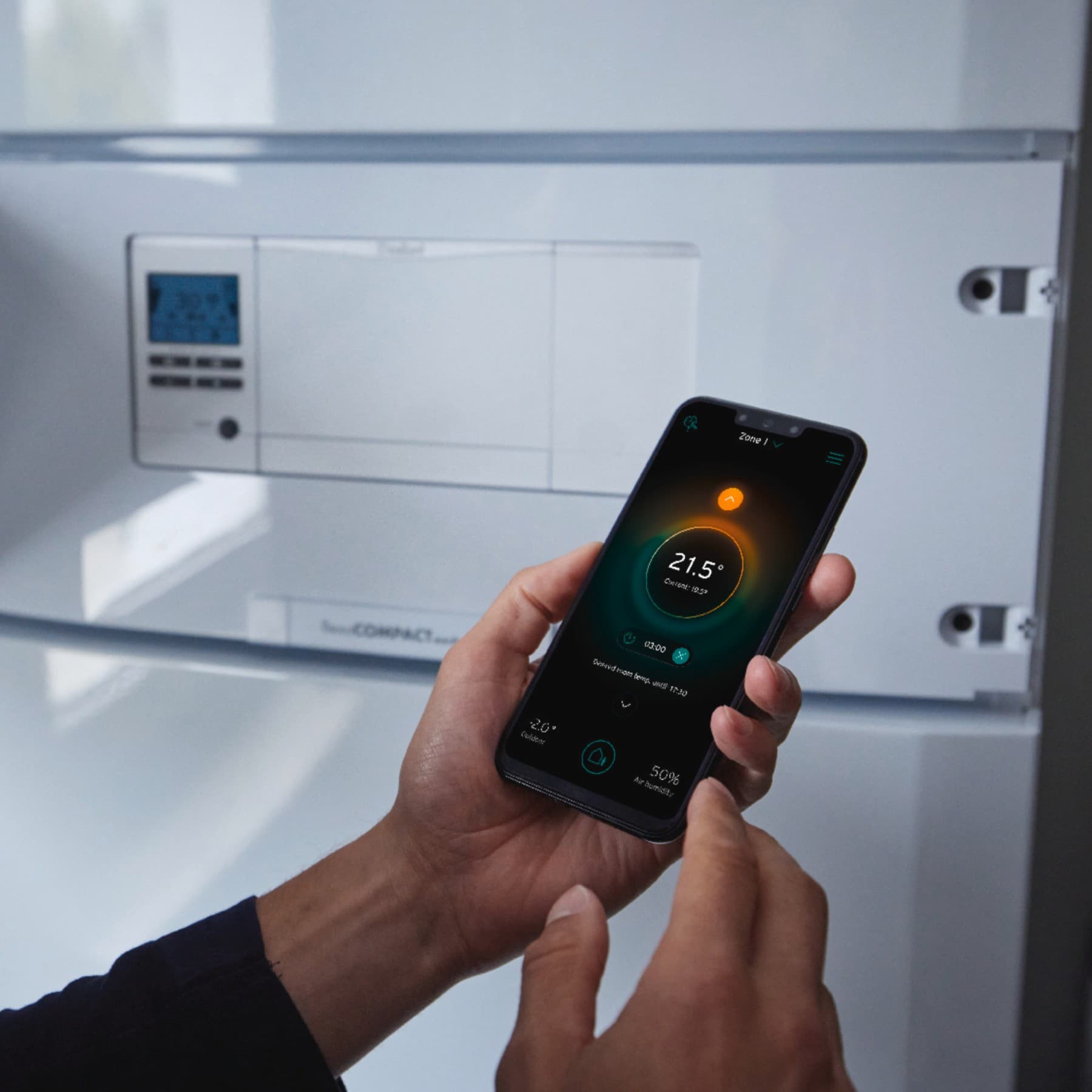
Lowering your room temperature by just one degree can make a big difference. This simple adjustment can cut your heating bills by up to 10 % and reduce energy consumption. Modern thermostats and smart controls make it easy to manage your home's temperature, ensuring you use only the energy you need. Setting the right temperature for each room is essential for saving energy. With Vaillant's modern heating systems, you can effortlessly minimise costs and conserve valuable energy, benefiting both your wallet and the environment. Embrace this small change for meaningful energy savings and a reduced carbon footprint.
2. Tip: Let fresh air in and moisture out with shock ventilation.
Proper room ventilation is key to energy savings! Opt for "shock ventilation" by fully opening windows for ten minutes several times a day. This allows fresh oxygen in, removes moisture, and prevents rooms from cooling excessively. Remember to turn down your room thermostat during this process to avoid unnecessary heating. Keeping windows tilted all day should be avoided, as it leads to ineffective air exchange and heat loss. This forces your heating system to work harder, increasing energy consumption and costs. Regular ventilation is essential, especially in kitchens, bathrooms, and bedrooms.
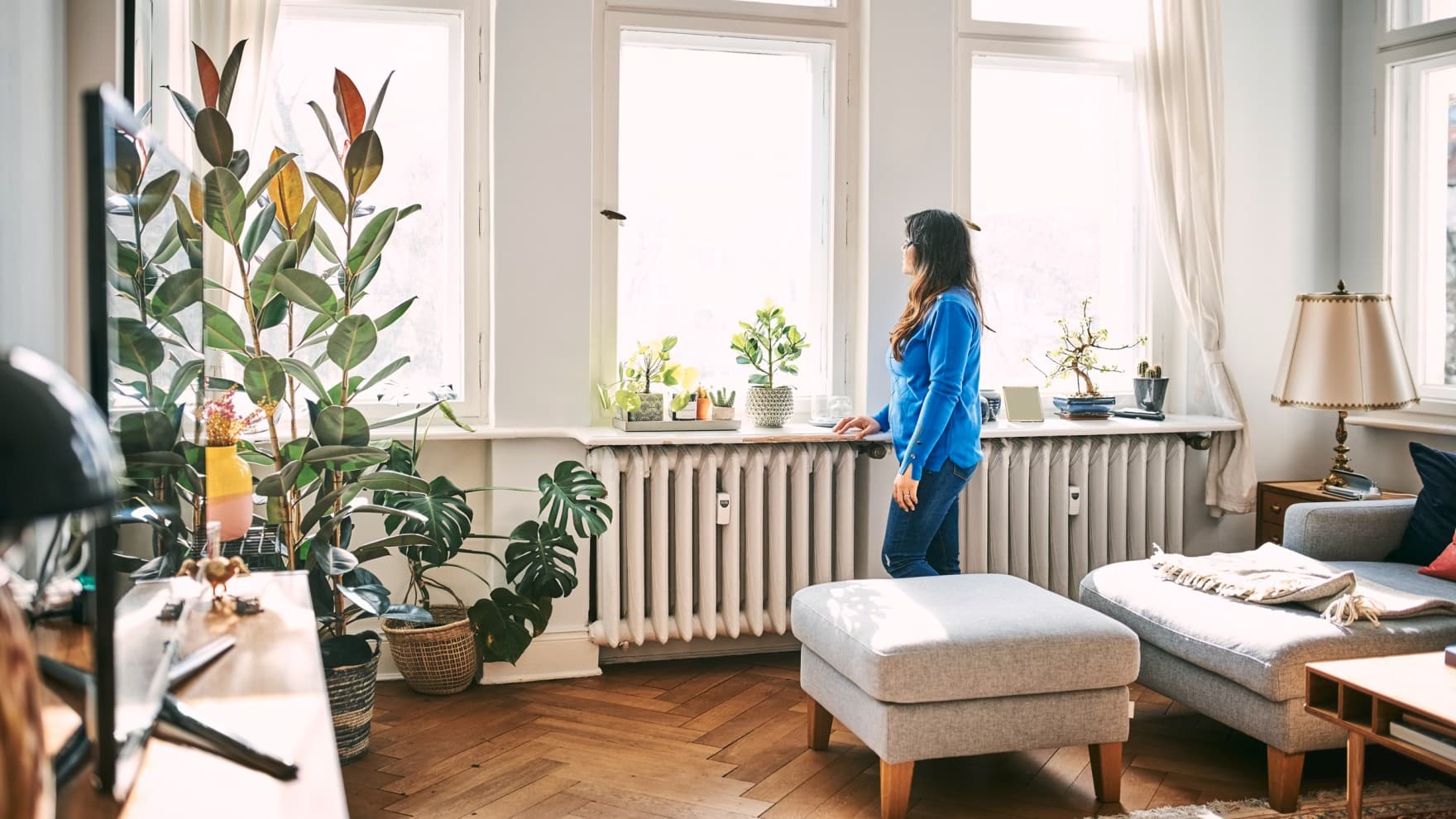
3. Tip: Free the heat by optimising your room's layout.
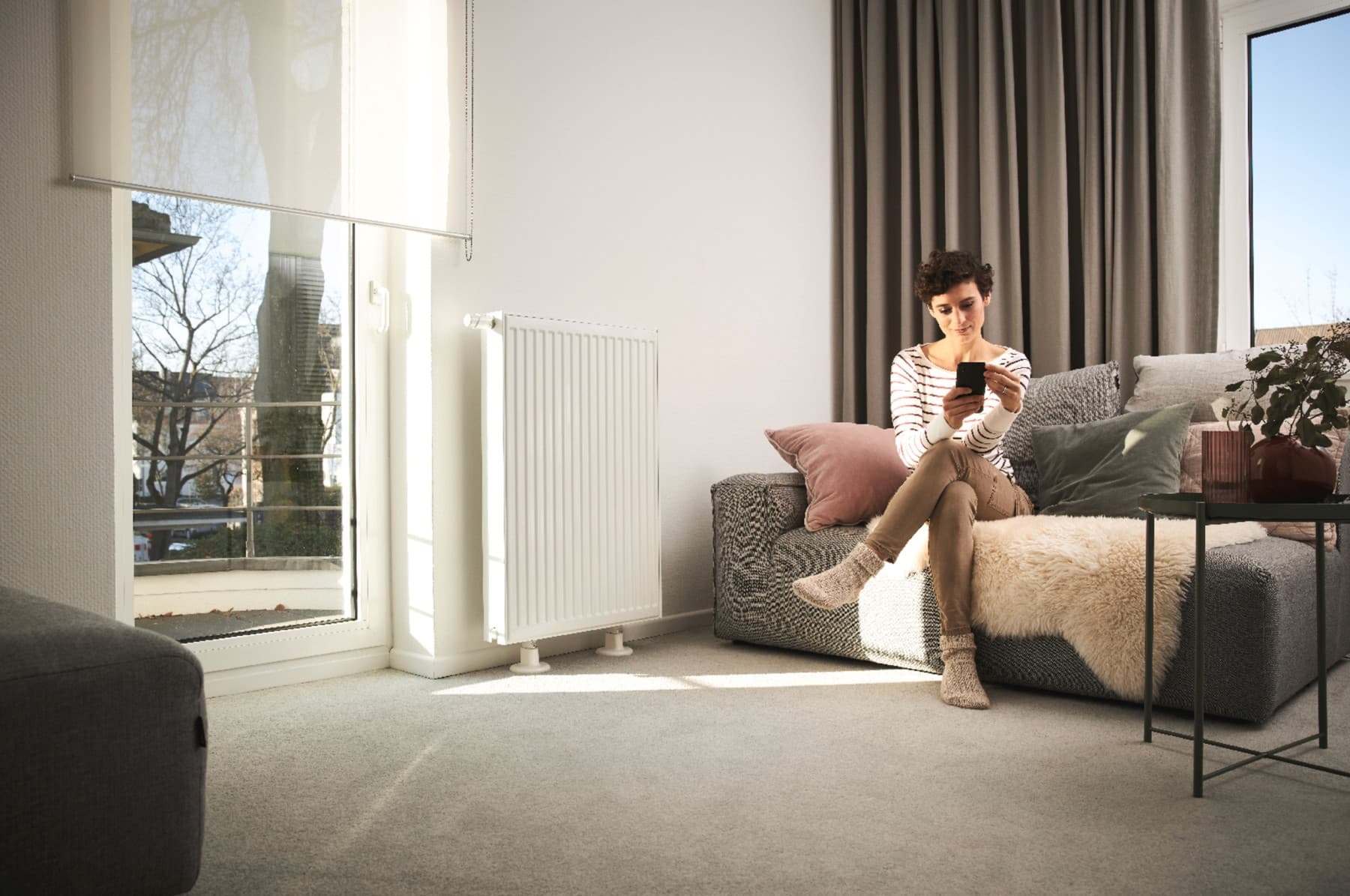
Ensure your home's heat flows freely by positioning furniture wisely. Avoid blocking radiators with furniture or heavy curtains, as this disrupts even heat distribution and leads to inefficient heating. When arranging your home, consider heating costs to prevent unnecessary expenses from poor furniture placement. Proper arrangement, along with insulating the wall behind radiators, can save up to eight percent in heating costs and boost energy efficiency. Remember, each kilowatt hour of heat costs money, so let it circulate freely. If your radiator makes noises, it might need bleeding to remove air and improve efficiency. Heat only the rooms you use, and keep doors closed to maintain warmth where it's needed. Embrace these tips to optimise your home's energy use.
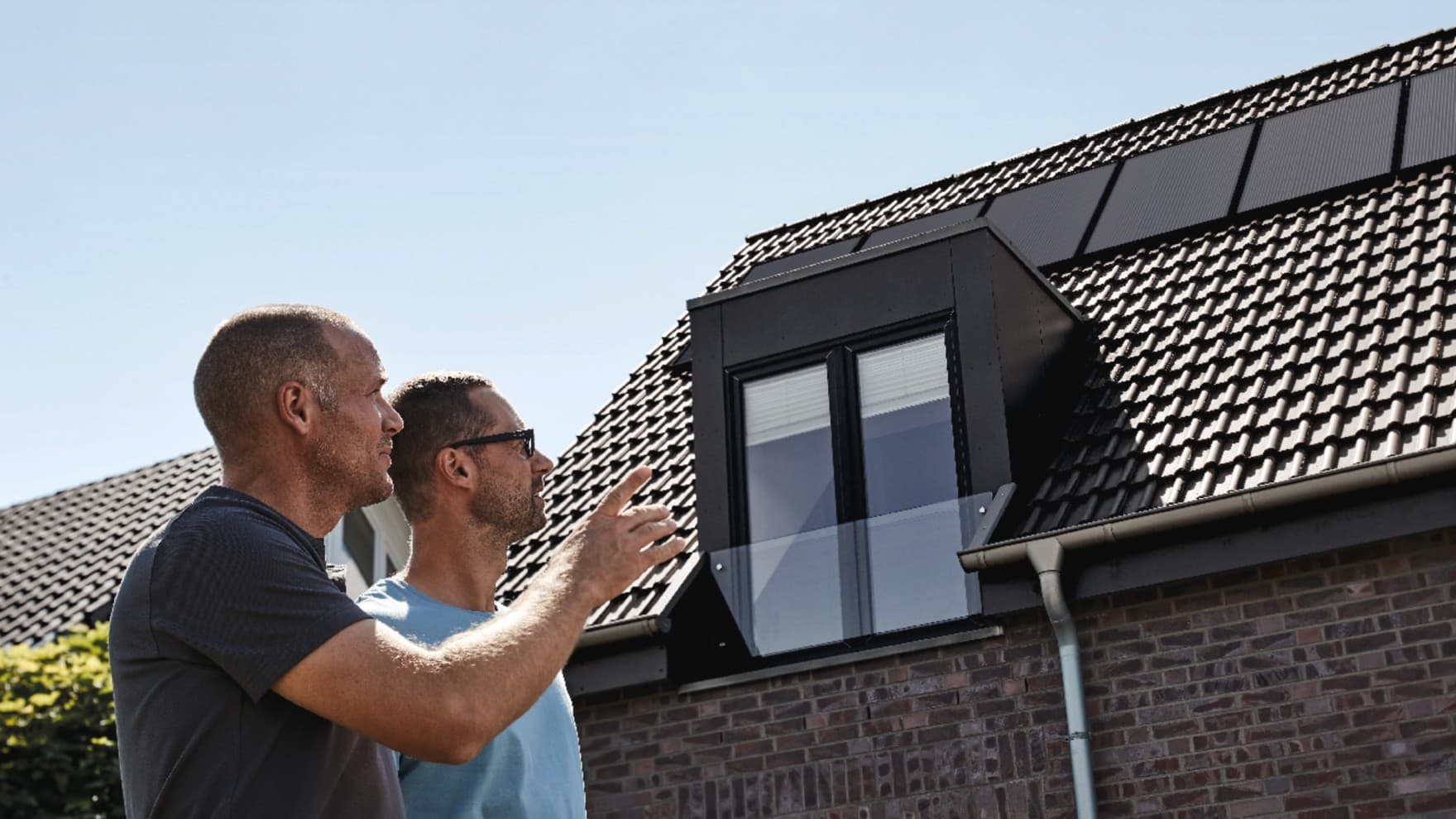
4. Tip: Upgrade insulation for enhanced energy efficiency.
Begin your energy-saving journey by tackling quick-fix insulation tips. Identify draughty windows and doors where warmth escapes uncontrolled. Use a simple candle test: hold a lit candle near window or door frames; if the flame flickers, renew the seals with self-adhesive sealing strips. Also, check walls behind radiators for proper insulation and use insulating mats for extra protection.
For more significant savings, consider renovating the insulation of your entire home. Upgrading insulation, exchanging windows and doors, or renovating the roof can provide the best results in energy efficiency. Though these options involve higher initial costs, they offer long-term benefits in reducing energy consumption and enhancing comfort.
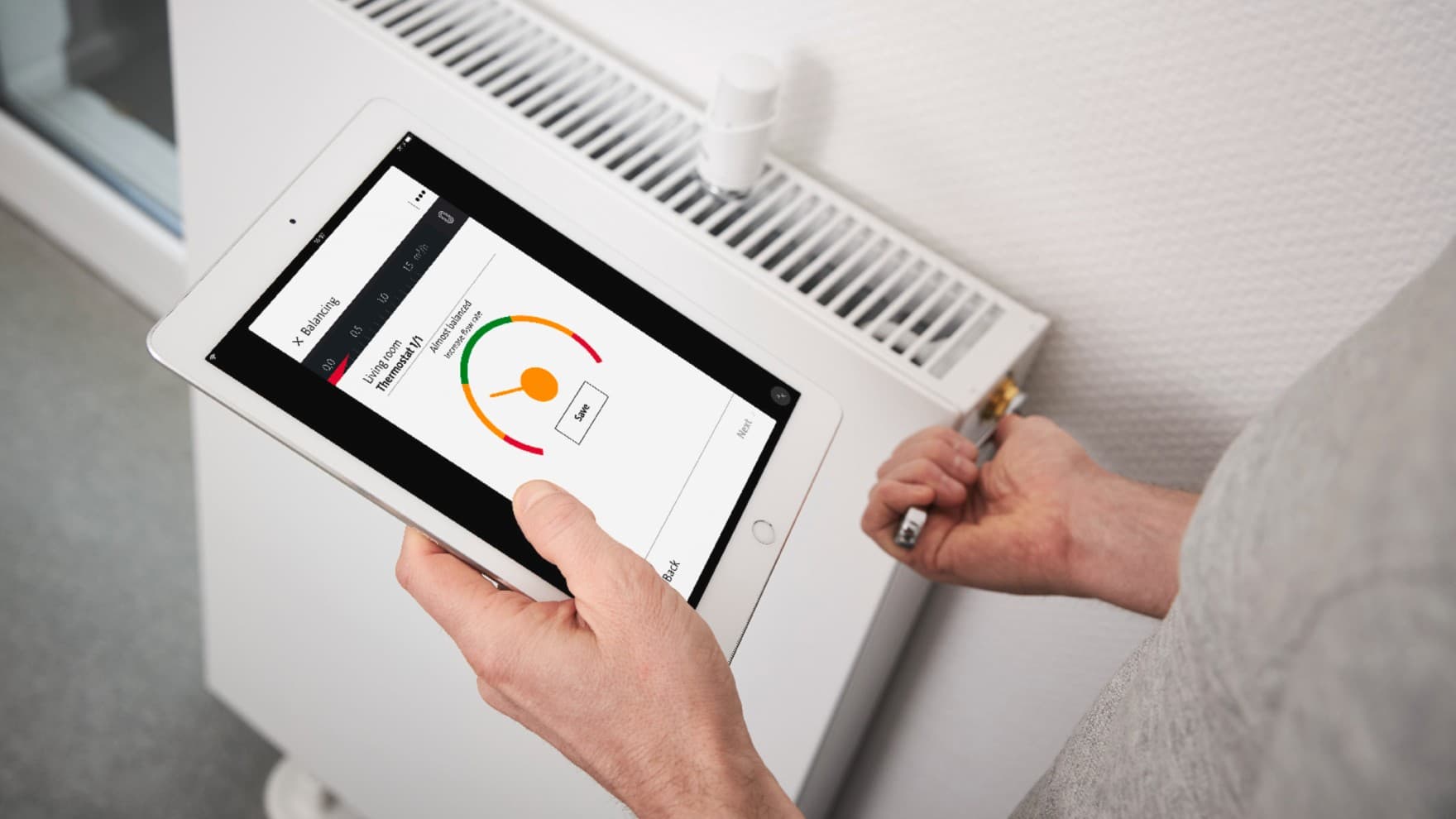
5. Tip: Improve heating efficiency through regular radiator checks.
If your radiator is making gurgling noises or isn't heating evenly, air might be trapped inside. This not only creates annoying sounds but also increases energy consumption and costs. Air in the system means more energy is needed to heat your rooms effectively. To ensure efficient heating, regularly bleed your radiators, especially when you hear them gurgling. Bleeding is simple and can be done in a few easy steps. If bleeding doesn't solve the issue, consider a hydraulic balance. This ensures all radiators receive equal heat distribution, allowing your heating system to work efficiently.
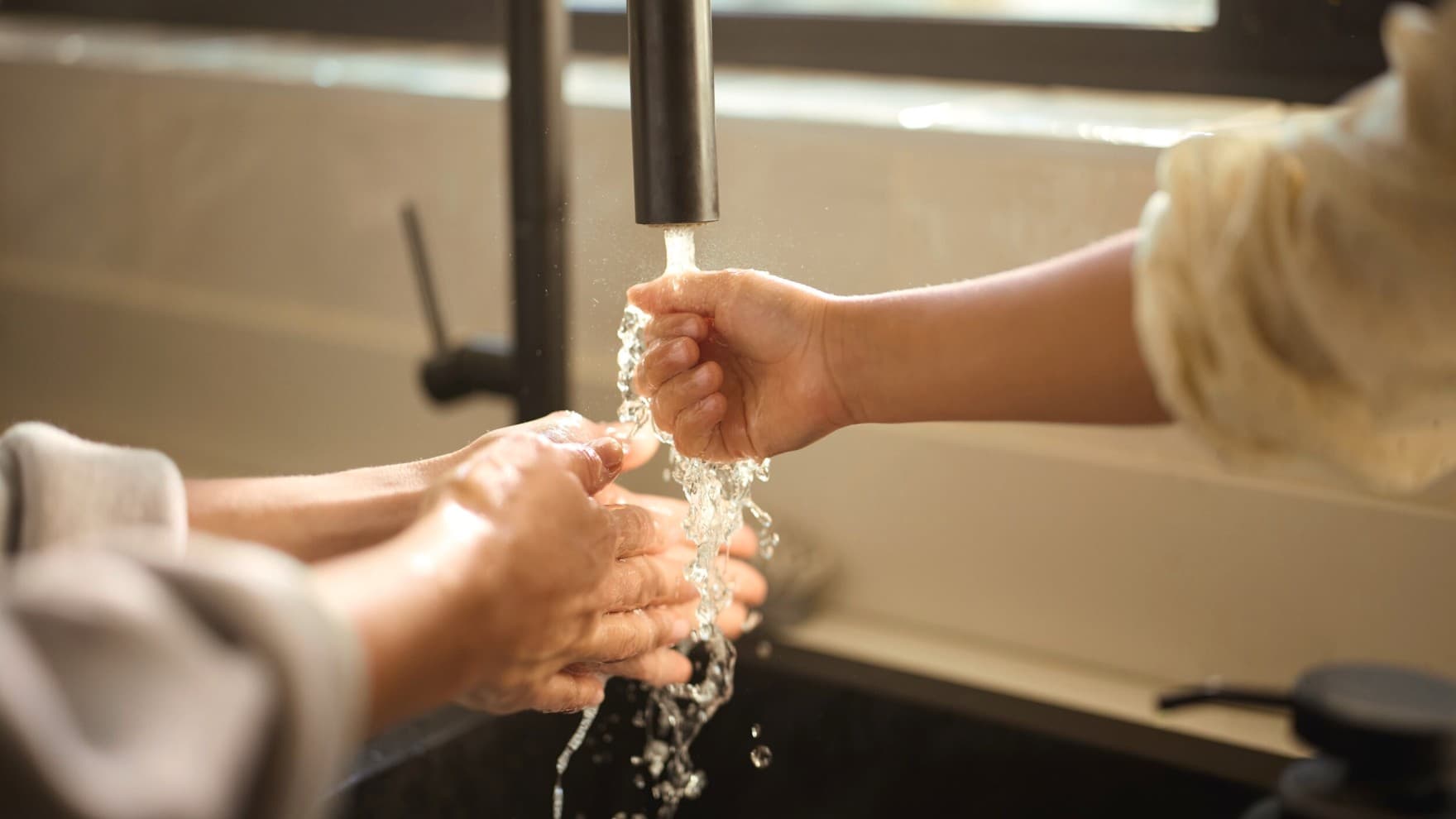
6. Tip: Optimise energy savings with efficient hot water use.
Reducing hot water consumption is a smart way to save energy and cut costs. In well-insulated homes, heating water can account for over 40 % of total energy use. Begin by adjusting your heating system's water temperature to around 60° C; this is sufficient for showers and baths, preventing energy waste and saving money.
By using less hot water, you directly lower your heating expenses. Consider installing a water-saving showerhead that mixes air with water, effectively reducing hot water usage by twenty to forty percent. Additionally, shortening your shower time from eleven to eight minutes can lead to further energy savings.