How to set the thermostat of your heating correctly.

Your thermostat is the heart of your heating system, balancing optimal comfort with energy efficiency. It precisely regulates temperatures throughout your home, creating personalised comfort zones that adapt to your daily routines and preferences. That means: no more overheated spaces, wasted energy, or chilly rooms that could lead to mould.
Let’s start with basics: how exactly does a thermostat work?
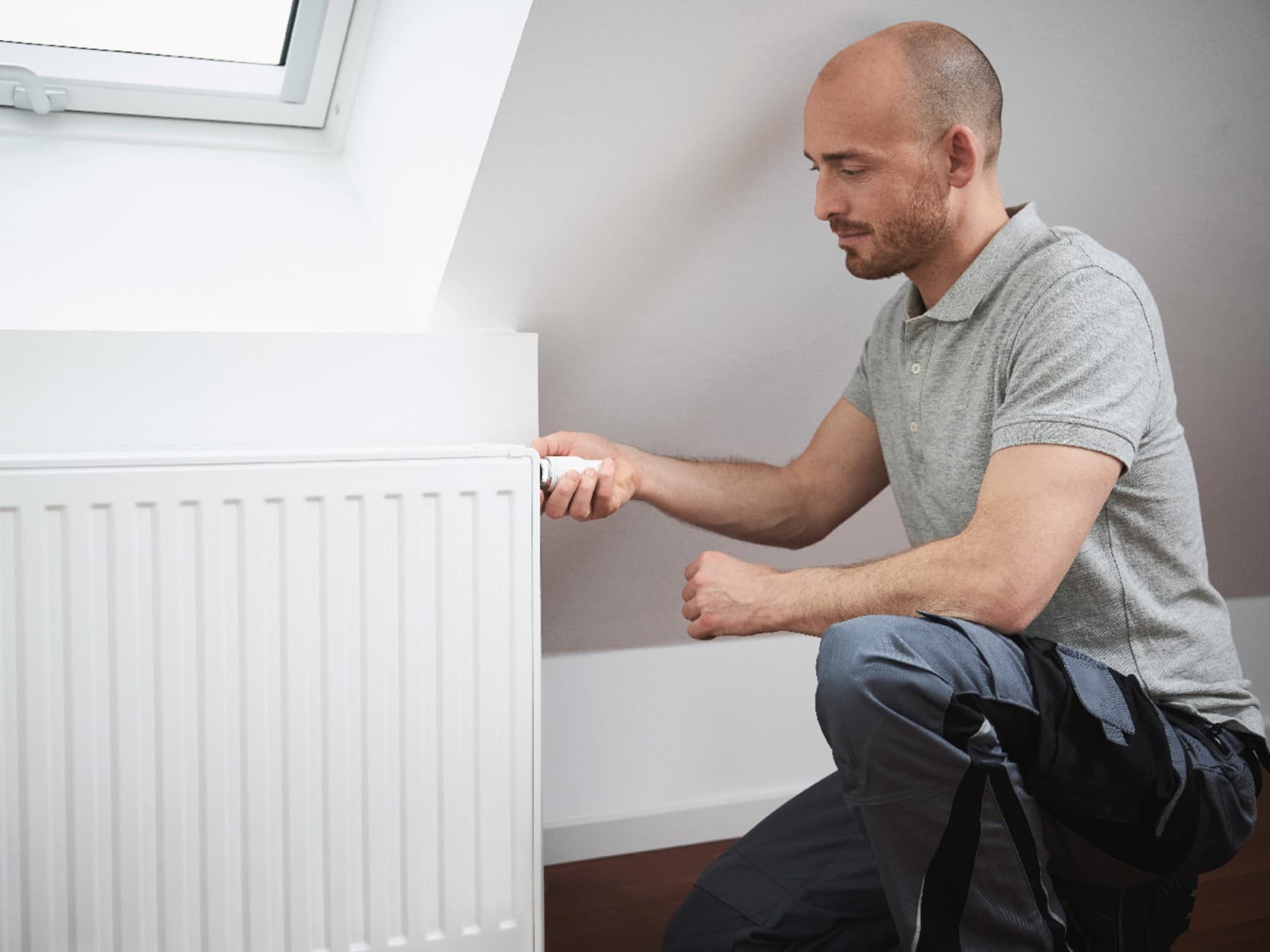
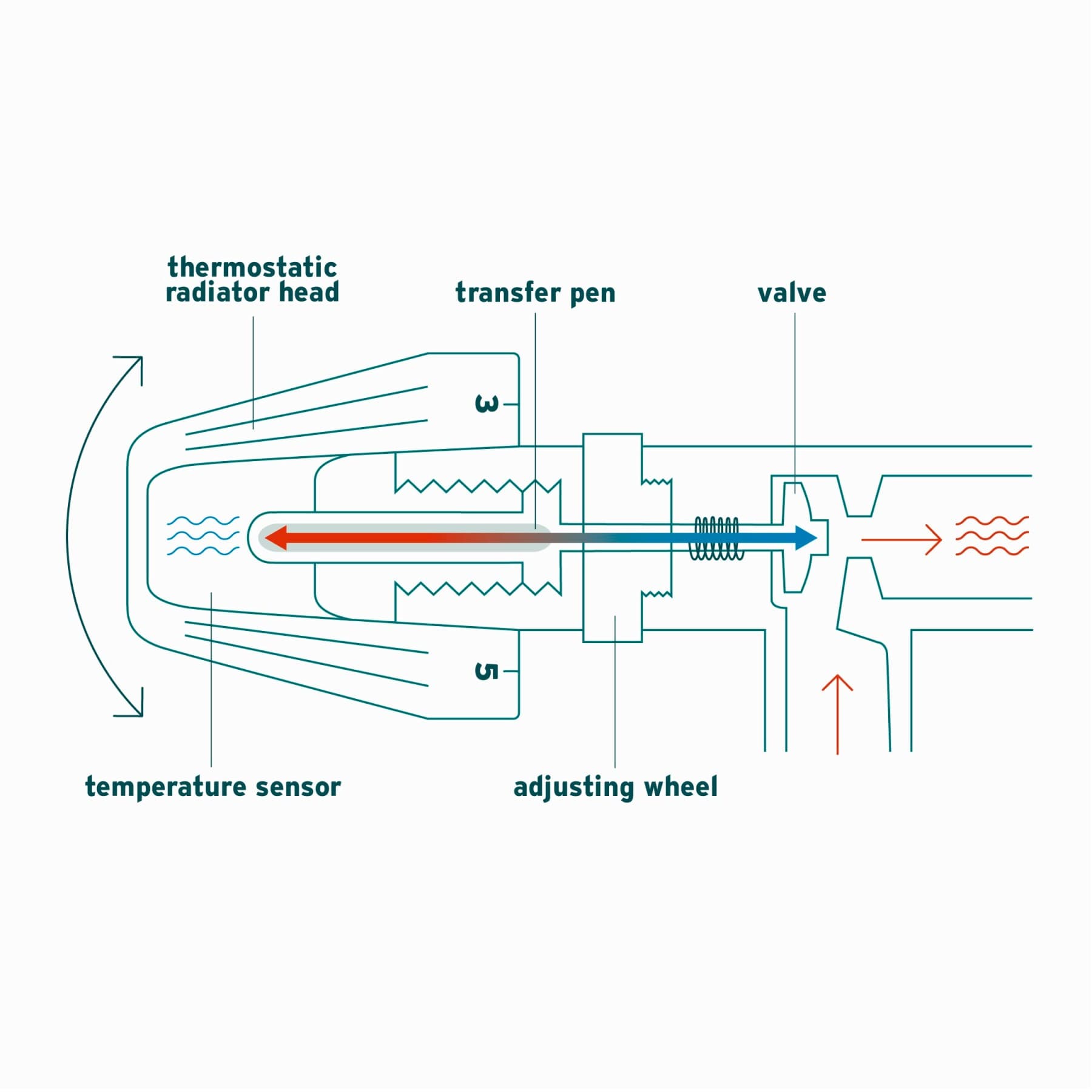
A simple, manual thermostat consists of three essential components: the thermostatic head, the temperature sensor, and the thermostatic valve.
The thermostatic head is the visible part of the thermostat – the part that you turn to regulate the heat of your radiator. Usually the numbers 1 to 5 are marked on it. When you turn the thermostatic head, that causes a valve to open or close – the so-called thermostatic valve.
This thermostatic valve opens or closes the water flow to the radiator, depending on temperature conditions and the target temperature.
The temperature sensor has the important role of constantly monitoring and measuring the room temperature. Once the target temperature is reached, the temperature sensor responds.
Thermostat head explained
What the thermostat numbers indicate.
You may think that using a thermostat head is pretty intuitive – but it’s worth understanding what the numbers mean exactly. Firstly: It’s important to note that a thermostat turned to 5 does not cause the room to heat up faster! Rather, the numbers on the thermostat head correspond to the room temperature:
- 1 = 12 °C
- 2 = 16 °C
- 3 = 20 °C
- 4 = 24 °C
- 5 = 28 °C
The thermostatic head should first be set to the desired room temperature. Although these values may vary somewhat, they serve as a guide.
How radiator valves work
A closer look at thermostatic radiator valves.
Each radiator in your home is equipped with thermostatic valves. They allow manual control over the heat output of the individual radiators.
The thermostatic valve contains what‘s known as a transfer pen. This is movable and ensures the opening and closing of the radiator valve. It is located between the radiator and the thermostat, from where it controls the incoming volume flow of the heating water. When you want warmth, you turn up the thermostatic head. This changes the position of the transfer pen. It moves back, allowing warm heating water to flow into the radiator.
There is an expansion mass in the thermostat head that either pushes the transfer pen into the radiator valve or allows it to return, depending on your temperature setting. It’s worth noting that this setting for the radiator does not affect the actual heat output from the boiler itself.

Our hot efficiency advice for setting your thermostat to save money.
If you turn all the radiators in a room down by just one degree, that could mean energy savings of up to 6%. So being aware of those figures can translate into real energy savings. By the way, if a room is heated by several radiators, they should all be set to the same level.
With modern thermostats, you have even greater control over your heat settings because they are able to control the thermostat setting independently. Therefore the room is only heated when it is actually being used. This allows for greater control of room temperature –and as a result – greater energy savings.
Of course, different rooms require different temperatures: A bathroom should be warmer – a bedroom cooler. And a living-room where people relax should provide an inviting level of warmth and comfort.
Where to place the thermostat ideally.
Heating thermostats quietly manage your home's comfort, but they need the right spot to shine. Avoid placing them near radiators or behind curtains, as this can skew their readings. If tucked behind furniture, they might misjudge the room's warmth and switch off too soon. Position them correctly, and they'll keep your home cosy and efficient. If you want to know more about how to install a thermostat, read here.
Enhance your heating system with smart heating controls.
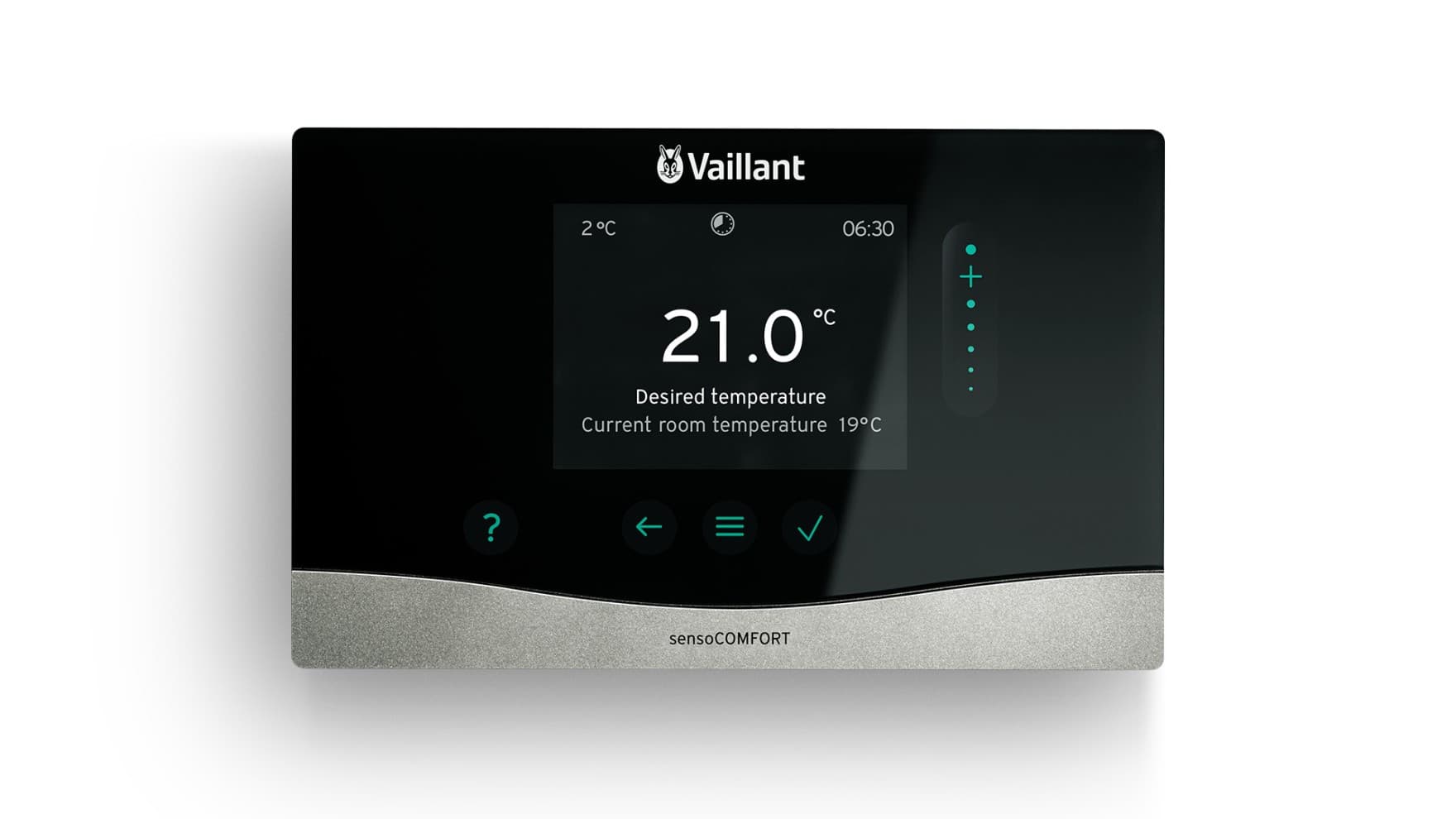
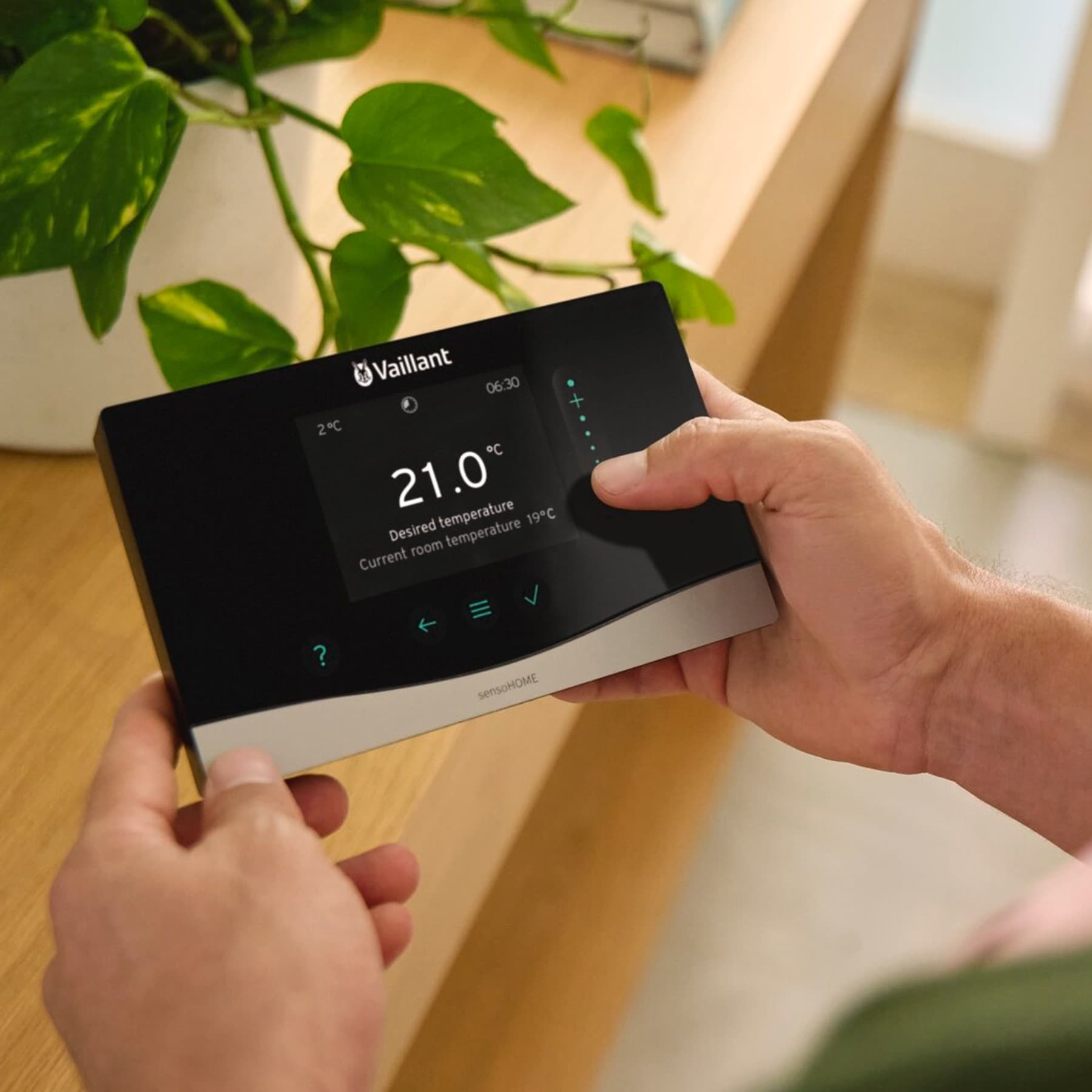
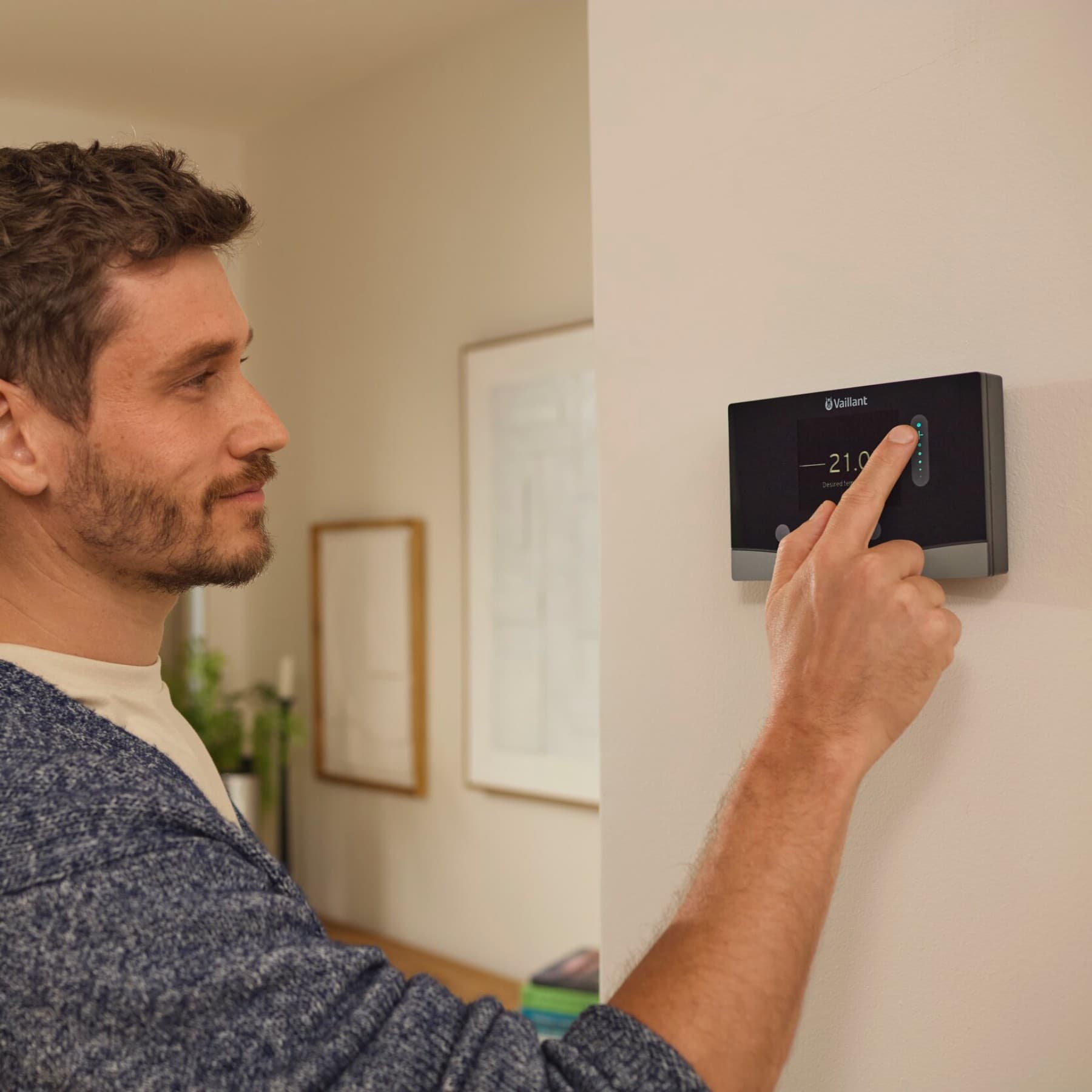
You've learned how thermostats regulate room temperatures and the importance of setting them correctly for optimal comfort and savings. But there's more to achieving efficient heating: with heating controls. These devices complement thermostats by offering advanced management of your entire heating system. While the thermostat handles individual room temperatures, heating controls allow you to programme schedules and make adjustments across your home effortlessly. This synergy ensures peak performance, as heating controls fine-tune the thermostat's actions to match your lifestyle, enhancing efficiency and comfort.