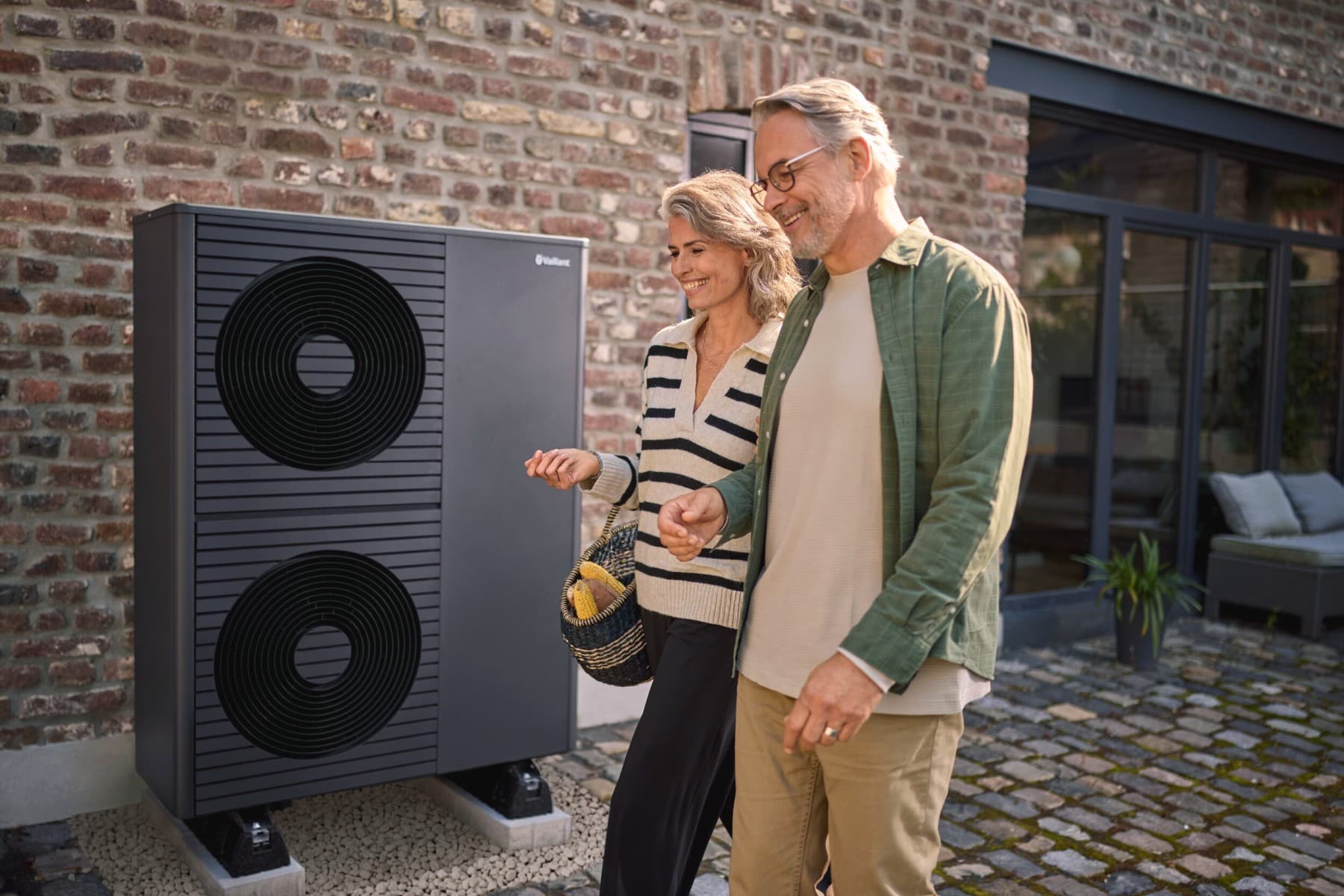
Heat pump running costs: turning rumours into savings.

Energy consumption of a heat pump
What makes a heat pump economically superior?
Heat pumps are not just a modern heating solution; they redefine energy efficiency. Yet, many wonder about their energy consumption and the costs involved. Let's explore the expected energy costs and what influences them. But first, the essentials:
The efficiency of a heat pump indicates how much usable heat it delivers in relation to the energy supplied. Compared to other heating systems they achieve rates between 300% and 500%. Impressively, 75% of the energy a heat pump uses is sourced from the environment - air, ground, or water - leaving only 25% powered by electricity. This means for every 1 kWh of electricity, a heat pump produces four times the heat energy. It's a smart, cost-effective way to warm your home.
Factors influencing energy consumption
Defining factors of a heat pump's elctricity demand.
- Flow temperature
The larger your heating surfaces are, the lower is the flow temperature they require. And the lower flow temperature requirements are, the less energy your heat pump consumes to meet them.
- Insulation
Enhanced insulation across a building, including windows, walls, roof, and basement, boosts energy efficiency and minimises energy consumption.
- Your needs
A household's heating energy consumption is influenced by the size of the house, number of residents, your individual heating and hot water requirements and more.
- Supporting systems
A heat pump can be supplemented with another product to increase efficiency, such as a photovoltaic system or a domestic hot water storage. These heat pump systems can lead to lower operating costs.
Energy sources for heat pumps
The essential role of energy sources in electricity consumption.
- Air-source
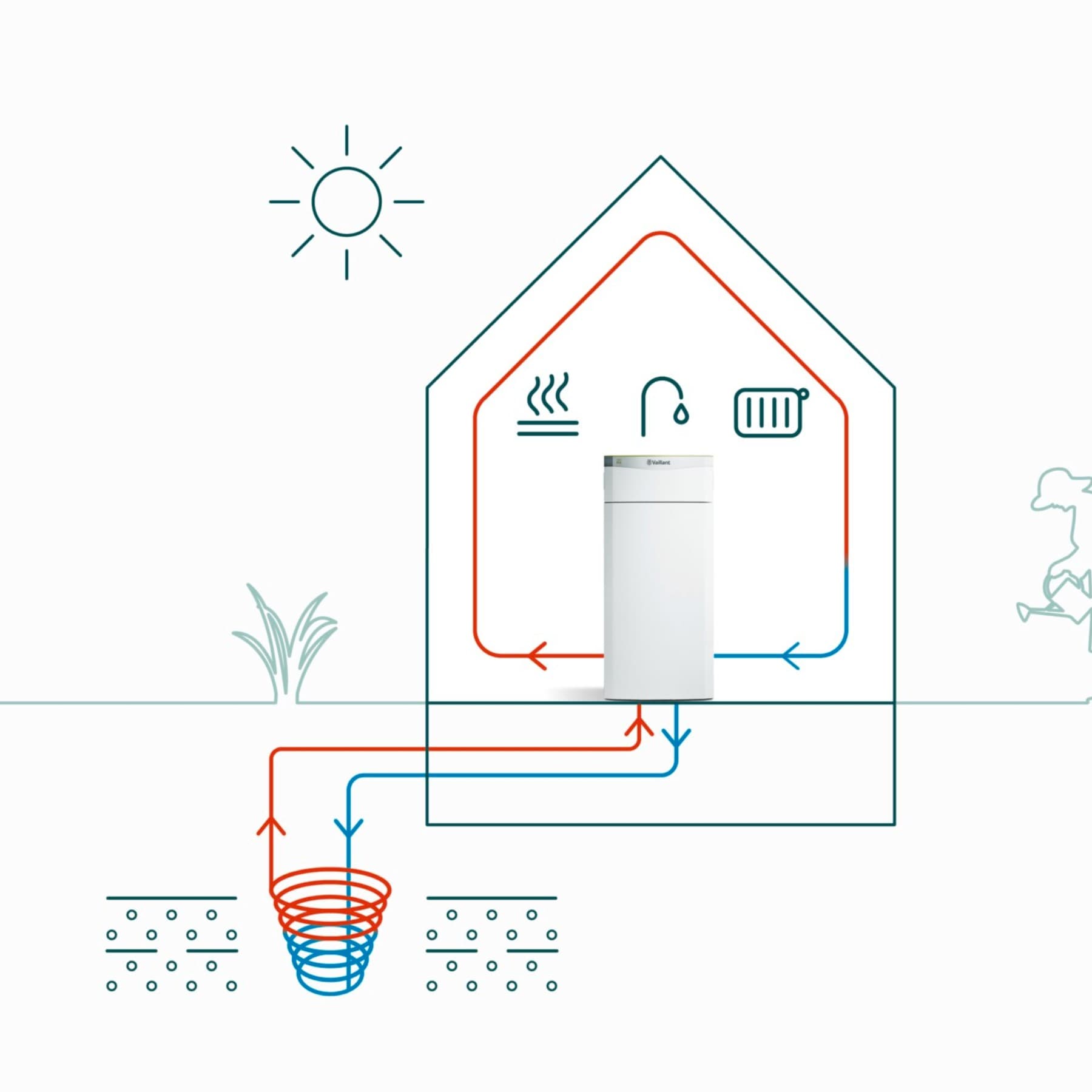
- Ground-source
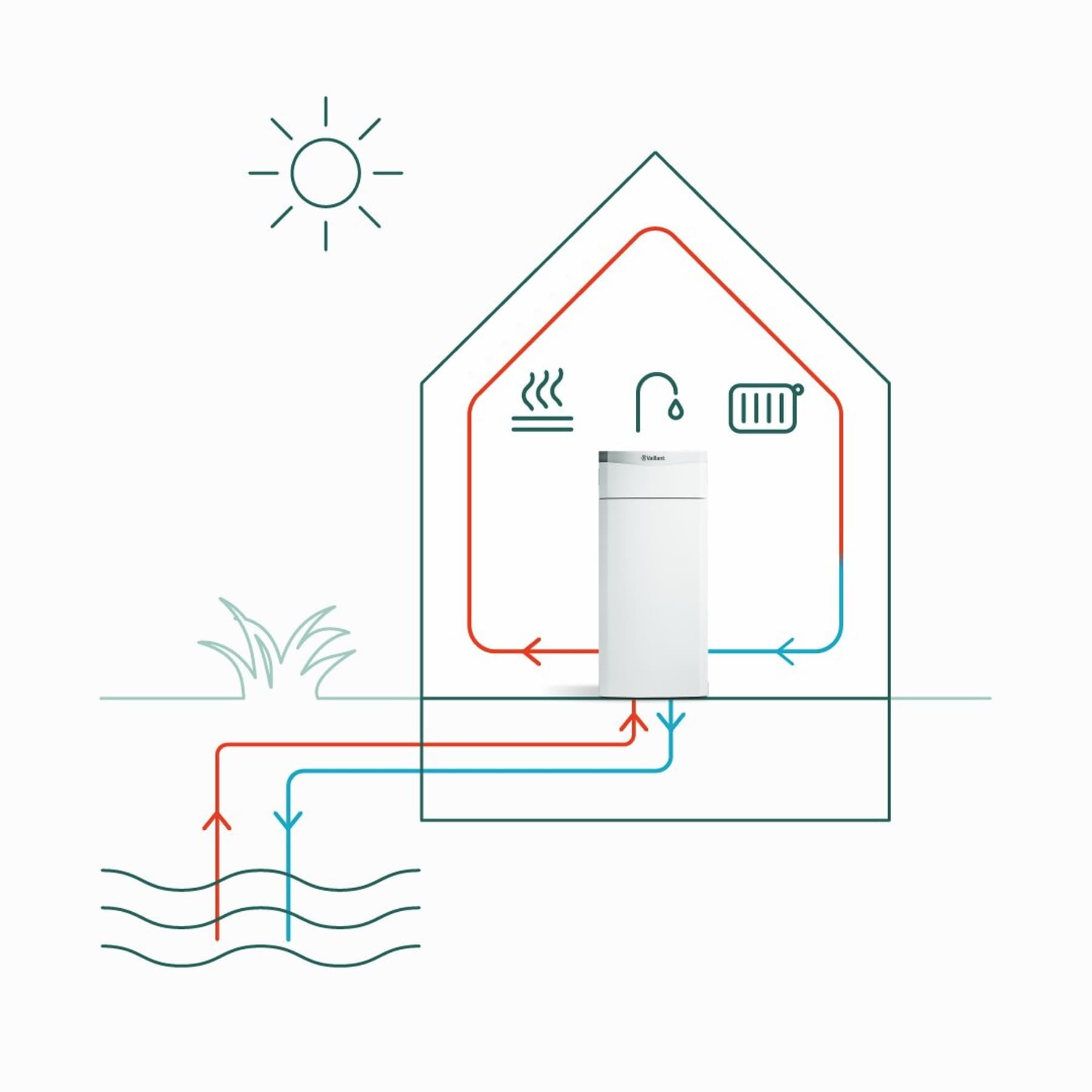
- Water-source
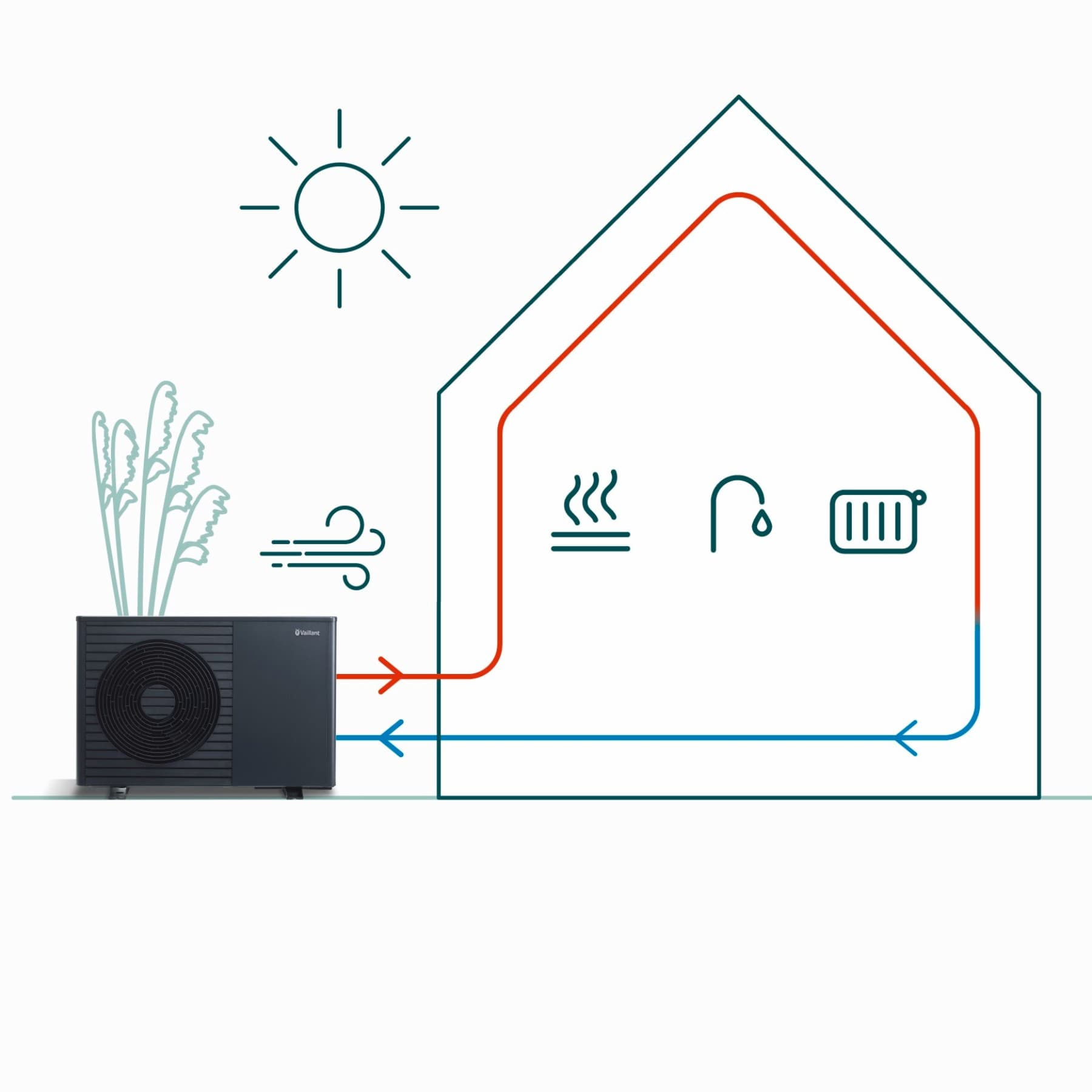
Air-source heat pumps
The air source heat pump experiences the most significant temperature changes from its main energy source, the heat in the surrounding air. When outside temperatures drop, more electricity is needed to reach the desired heating level, leading to fluctuating electricity usage. However, the air-source heat pump stands out for its simple and affordable installation process.

Understanding heat pump efficiency
One part in, four parts out - that's what we call efficient.
The energy consumption of a heat pump is closely tied to its Coefficient of Performance (COP) and Seasonal Coefficient of Performance (SCOP). COP measures efficiency by comparing energy input to heating output under fixed conditions. For instance, a heat pump uses just 1 kWh of electricity to produce 4 kWh of heat.
The SCOP, on the other hand, adjusts these conditions to various climatic regions, providing a wider efficiency outlook.
Our air-source heat pump , boasts an impressive energy efficiency rating of A+++ with a COP of 3.5. This means it delivers 3.5 kWh of heat for every 1 kWh of electricity used, showcasing significant savings potential.
Go even more efficient with photovoltaics.
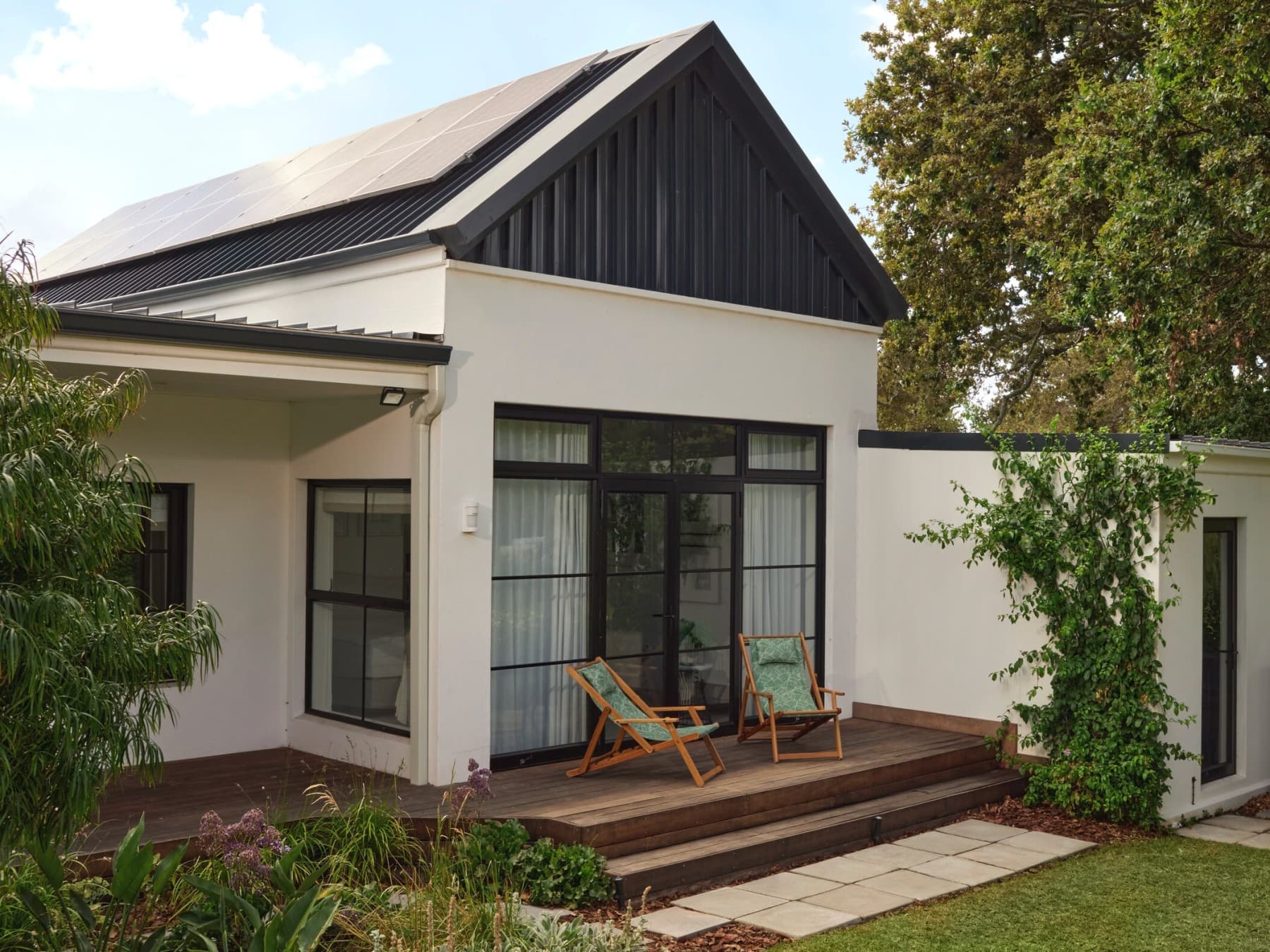
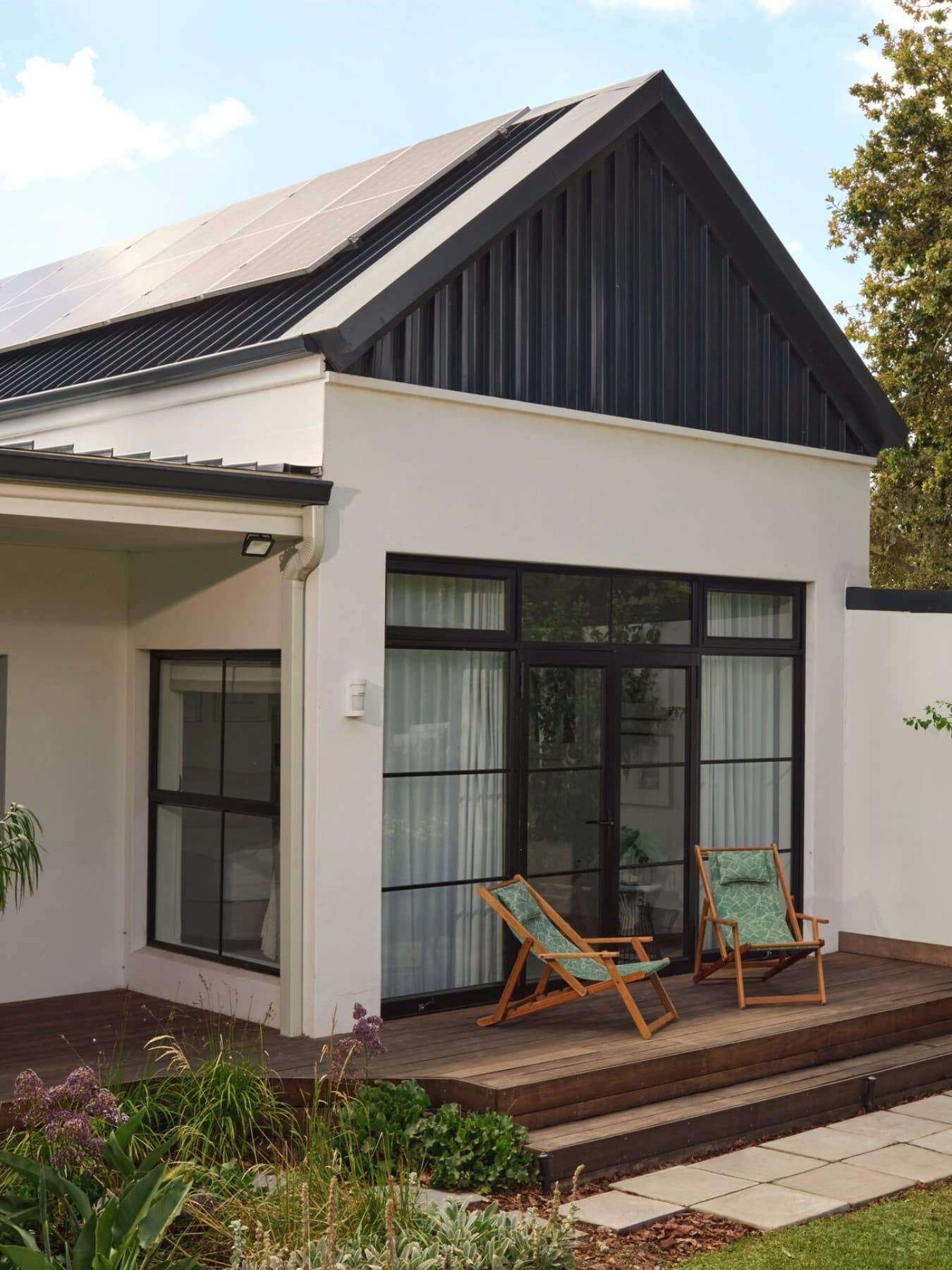
Combine heat pumps with photovoltaics for a truly eco-friendly and cost-efficient heating solution. By installing a photovoltaic system on your roof, you can generate your own electricity. This not only liberates you from electricity providers but also protects the environment and slashes your operating costs.
Typically, 10 to 12 solar panels can comfortably meet the needs of a four-person household. With a total area of around 20 square metres, these easily installable panels can fit even on smaller roofs. Even when facing south, they still generate significant energy, ensuring efficiency and sustainability.
Efficient system solutions for modern homes
Imagine your home with a seamless heat pump system from Vaillant.
- 1/3Air-to-water heat pumparoTHERM plusOur most efficient air/water heat pump reduces operating costs.Get more details
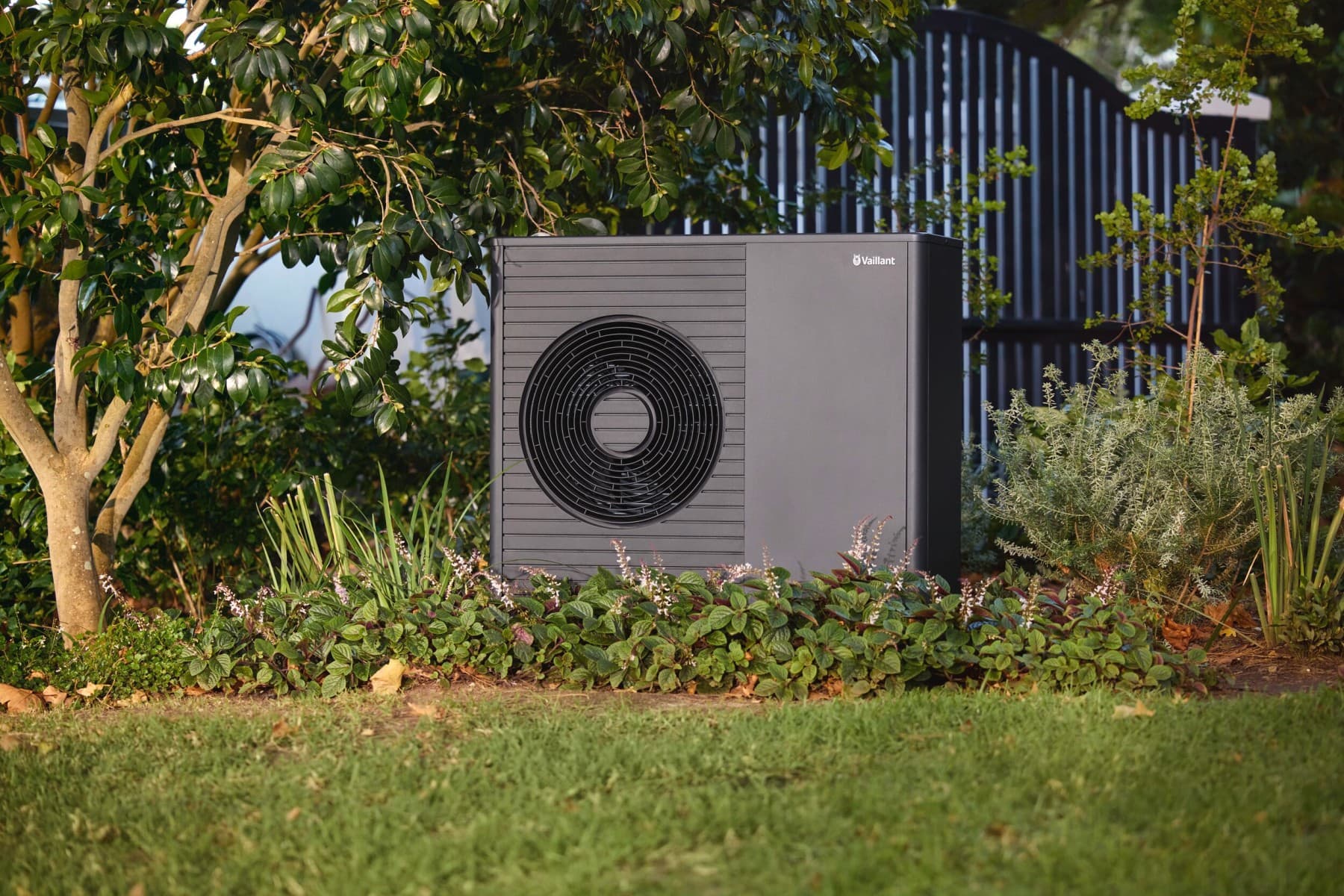
Efficiency in its most flexible form.
- Our most efficient air/water heat pump reduces operating costs.
- Our quietest air/water heat pump with 28 dB(A) for a peaceful neighbourhood
- Maximum freedom of positioning thanks to uniquely minimal protective zones.
- Elegant design in black grey
- Including free 5-year guarantee
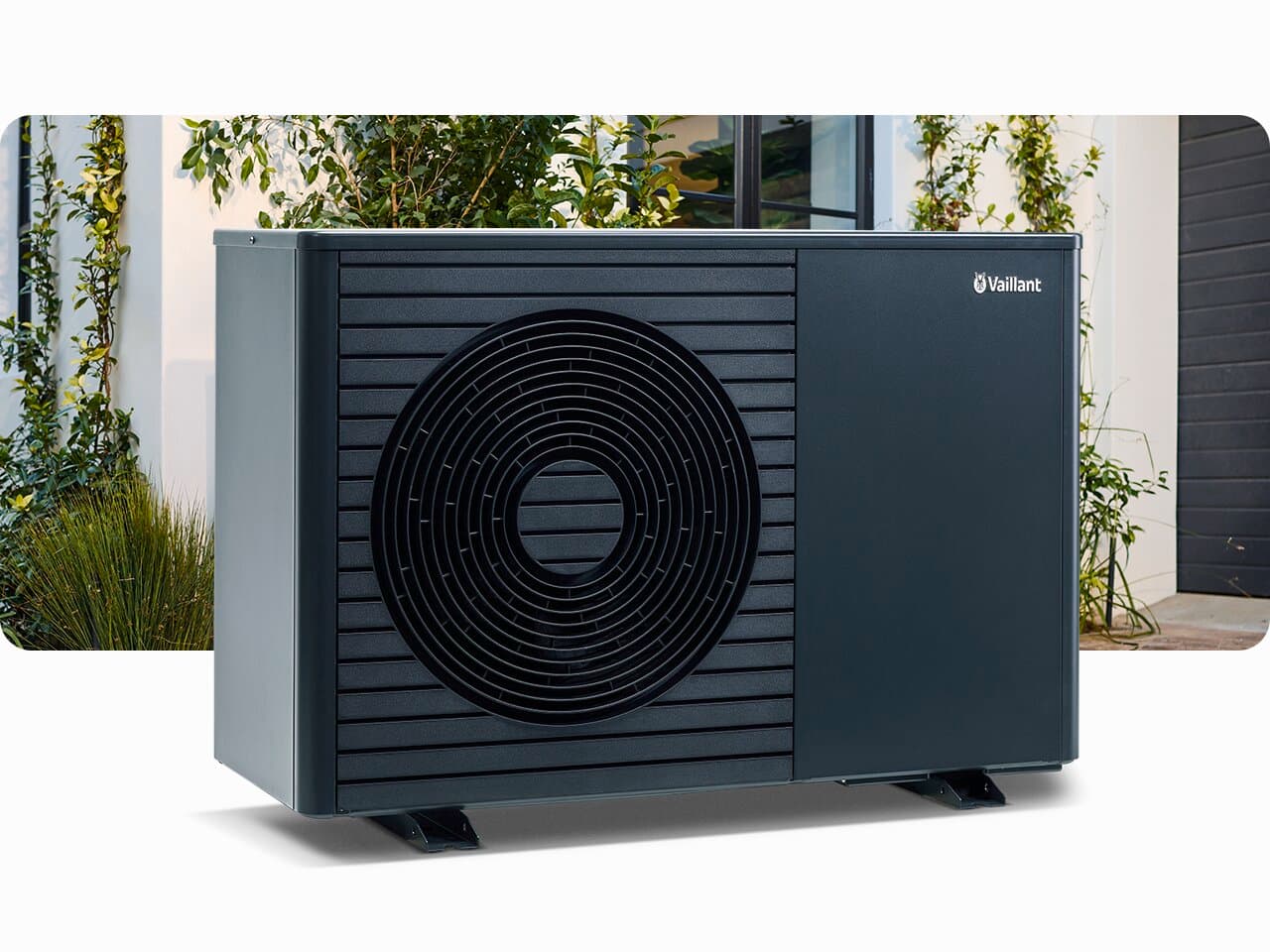
The new standard: Our new aroTHERM plus heat pump always finds its place. This is because our safety concept, which is unique in the industry and minimises the necessary distances. Equipped with the natural refrigerant R290, it is our most efficient air-to-water heat pump and generates up to five parts heat* from one part electricity. Available in output sizes from 3 to 12 kW, it is ideal for one-family houses - even with existing radiators, of course.
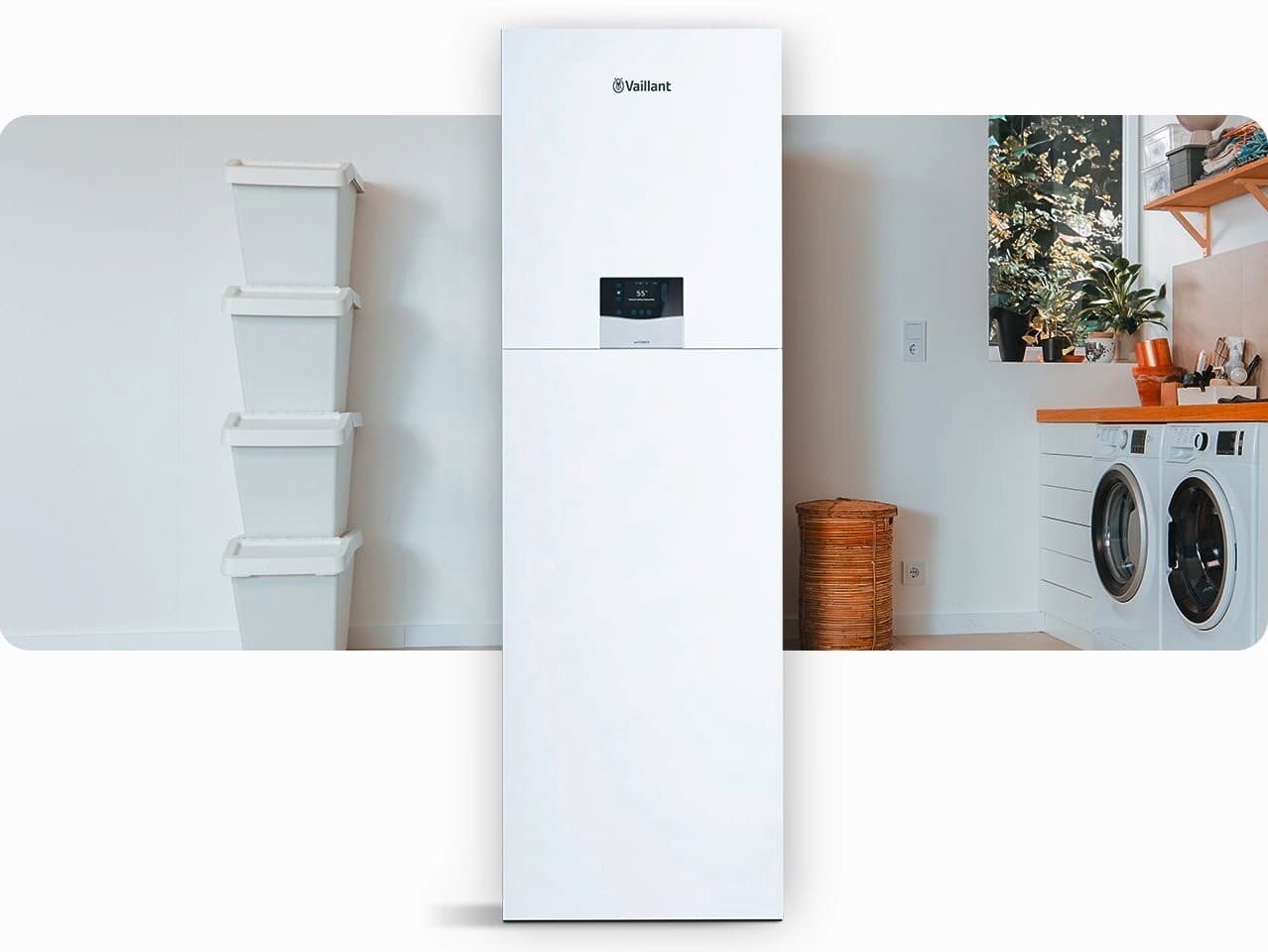
- 2/3Hydraulic StationuniTOWER plusDelivers hot water for your entire home - perfectly sized for single-family houses.Get more details
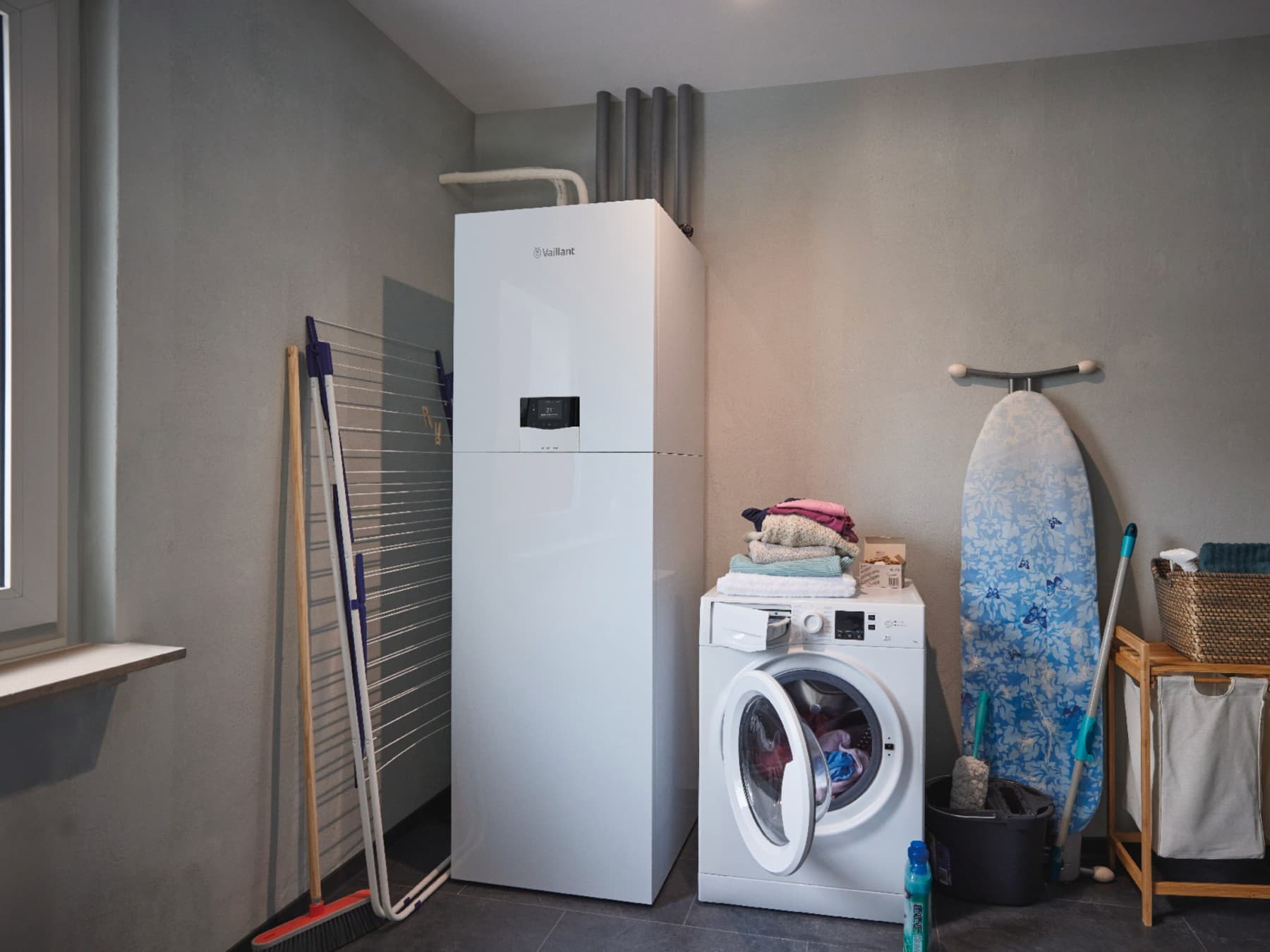
Compact hot water comfort
- Heating, cooling, and hot water from one efficient system
- With the size of a fridge it fits almost anywhere in your home
- Whisper quiet - you won't even notice it
- Monitor and adjust from anywhere with the myVaillant app control
Imagine never running out of hot water again. With 190-liter capacity delivering up to 250 liters of warm water, this system handles back-to-back showers for the whole family. Installation is simple with pre-integrated components and split design for tight spaces. Choose from three versions to match your home's specific heating zones and requirements.
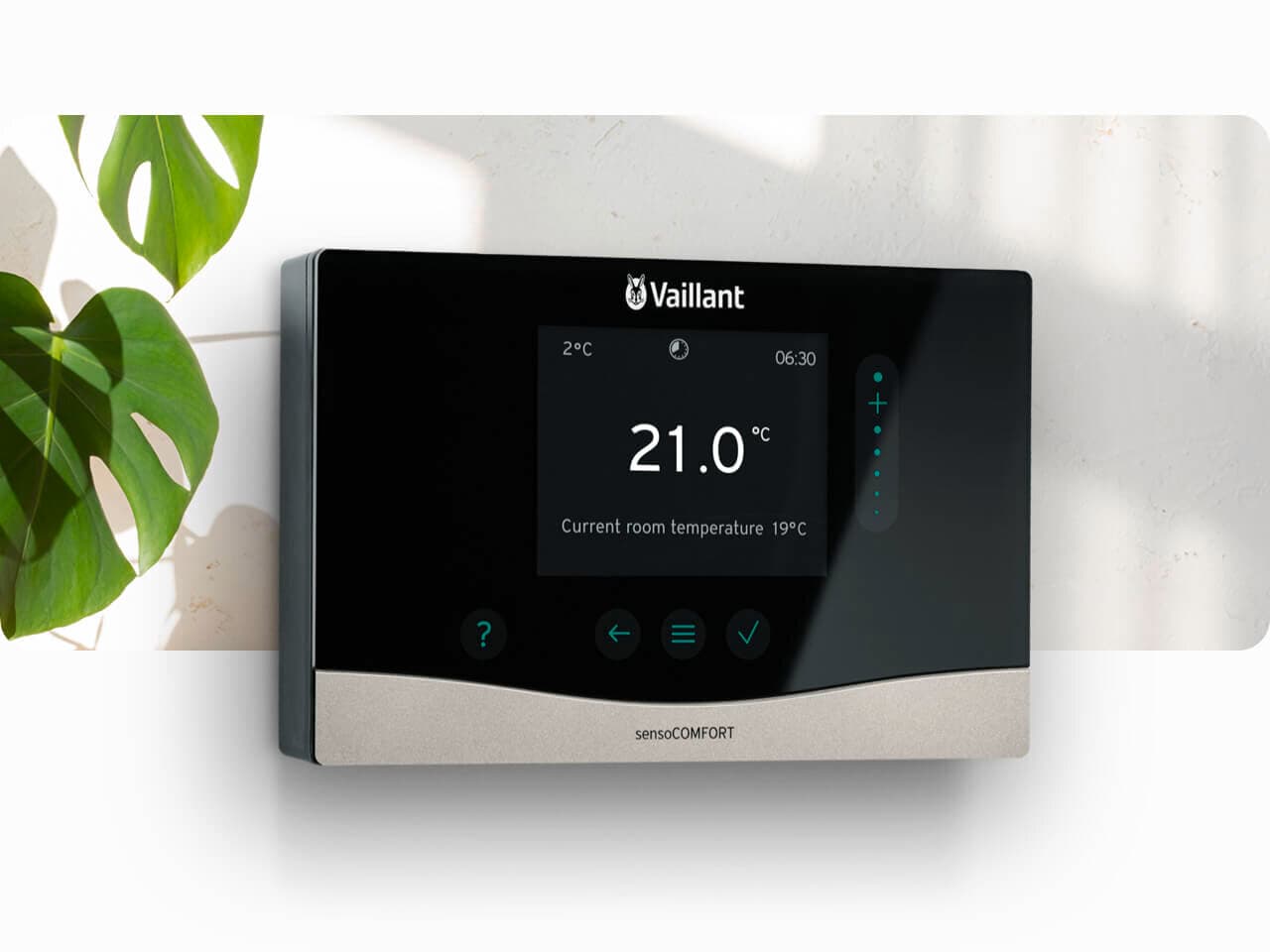
- 3/3Weather-Compensated ControlsensoCOMFORTOur most refined control, ready for the most advanced systems.Get more details
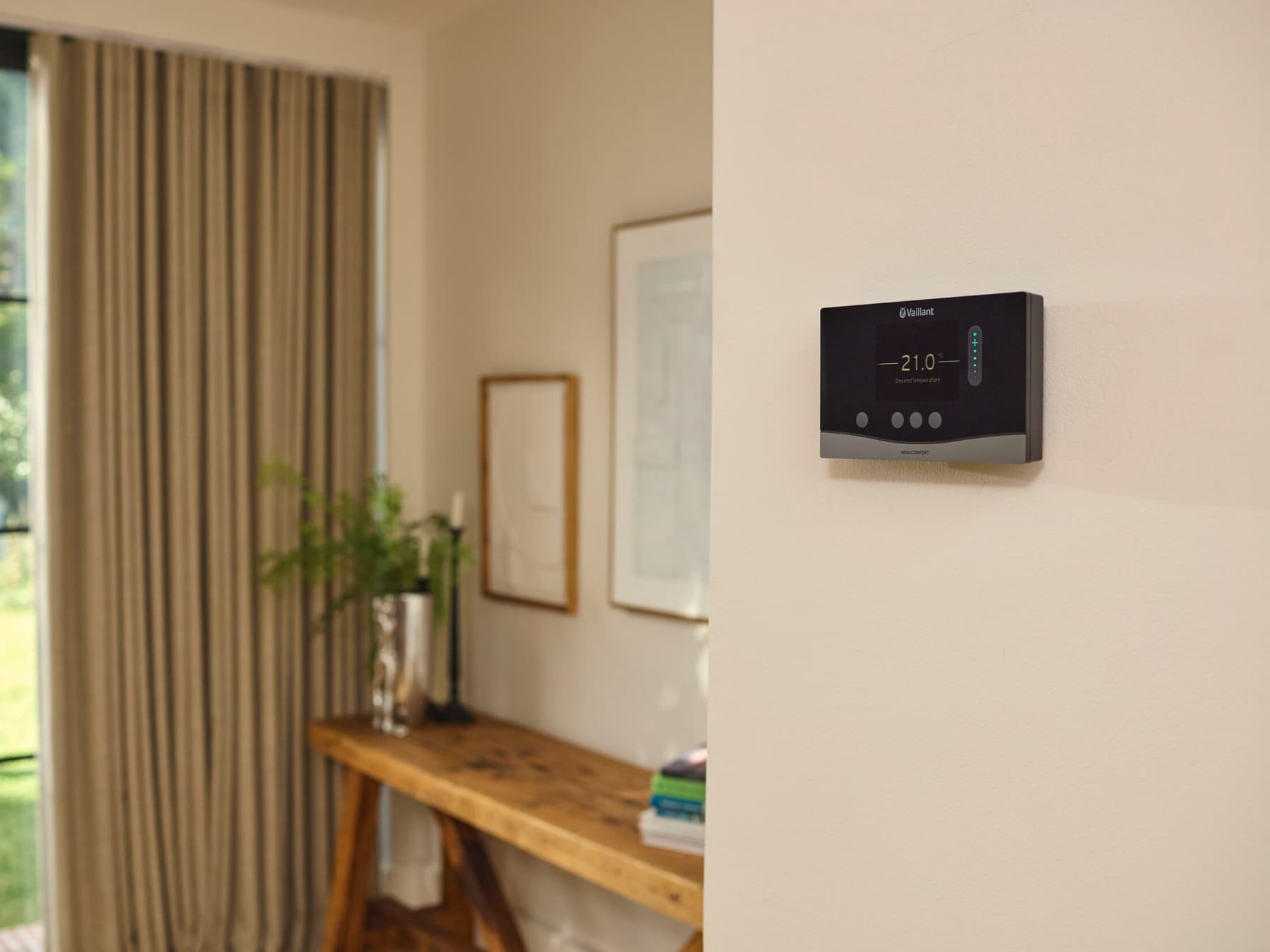
Our most refined control, ready for the most advanced systems.
- Easy handling of the whole heating system for perfect individual comfort
- Ready for smart home integration with different voice assistants
- Effortless integration of renewables from heat pumps to ventilation
- Full control over complex systems with our sensoCOMFORT
- Modern control design perfectly blends into today's living spaces
The best thing about our ever more advanced heating systems? Their increasingly simple handling – with sensoCOMFORT: Our most elaborate weather-compensating system control for easy management of up to 9 heating circuits, hot water production, photovoltaics, solar thermal and ventilation.
Three steps to get your heat pump.
- 1/3
In our partner overview you will find all contact details of a local partner. He is pleased to discuss your needs and assist you in selecting a suitable heating system.
- 2/3
A local expert will visit you and inspect your property. Afterwards he will provide you with a quote tailored to your needs.
- 3/3
After successful installation, the specialist tradesperson will activate your heating system and provide you with all necessary information for an efficient operation.