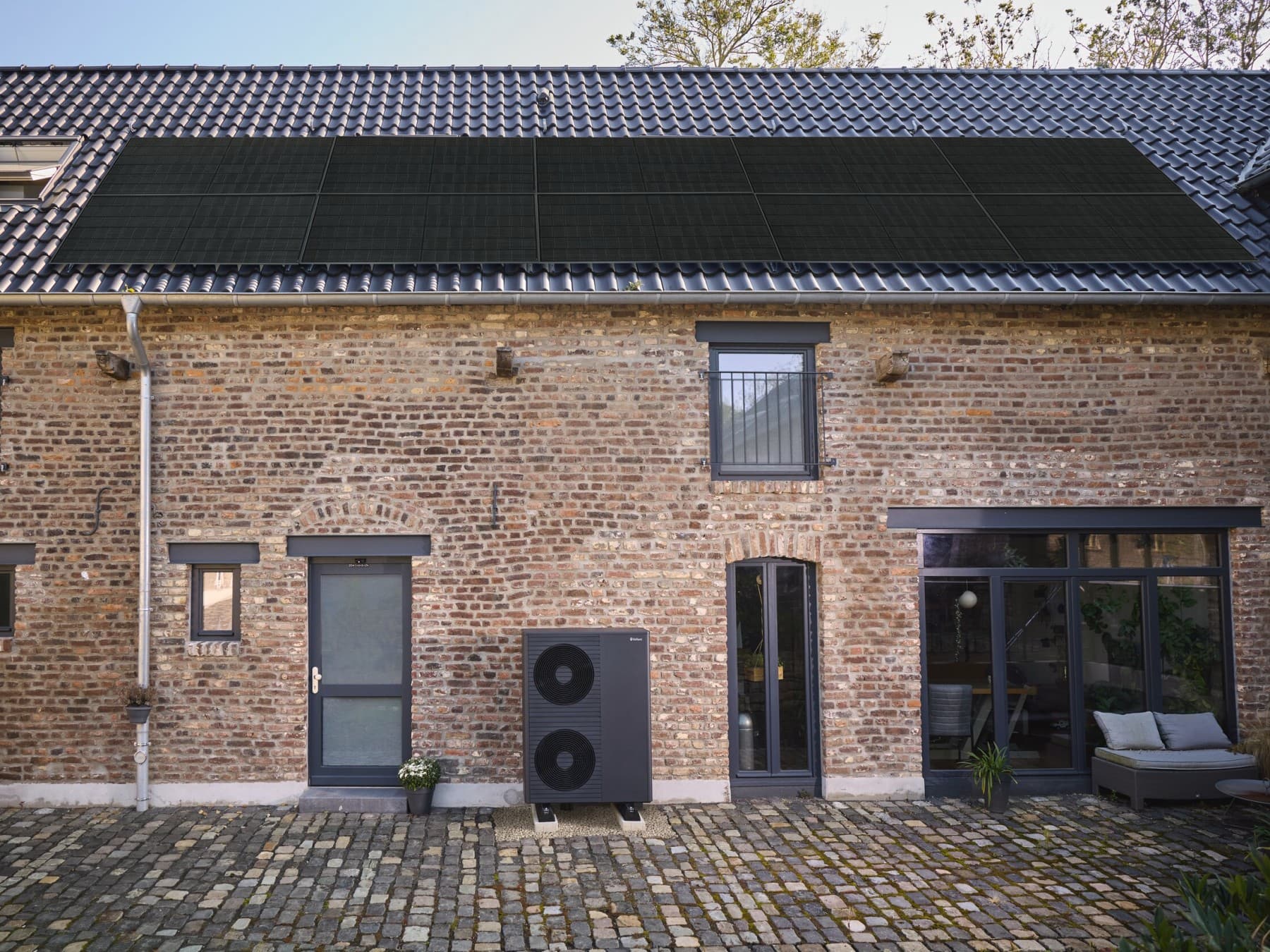
Renewable energies

Renewable energies (regenerative energies) is the umbrella term for all forms of energy that make use of energy resources that are either available in unlimited supply or can regenerate quickly. The Renewable Energy Sources Act (EEG), the Renewable Energies Heat Act (EEWärmeG) and the Energy Saving Ordinance (EnEV) are intended to promote the use of renewable energies and to promote energy efficiency and sustainability. According to the Fraunhofer Institute for Solar Energy Systems (ISE), the total share of renewable energies in Germany in 2019 was around 46% of the power mix.
The renewable energies are solar, wind, hydroelectric, biomass and geothermal energy. Solar energy produced by photovoltaic systems generates electricity and solar thermal systems heat. Wind power plants generate electricity when the wind sets the rotors in motion. Hydroelectric power plants harness the natural or artificially generated flowing power of water to generate electricity. Biomass power plants use organic materials of plant or animal origin as energy sources. The biomass is burned and the resulting steam is then converted into electricity. A geothermal power plant generates electricity and heat from near-surface (heat pumps) or deep heat reservoirs (power plants) in the earth.
< Glossary