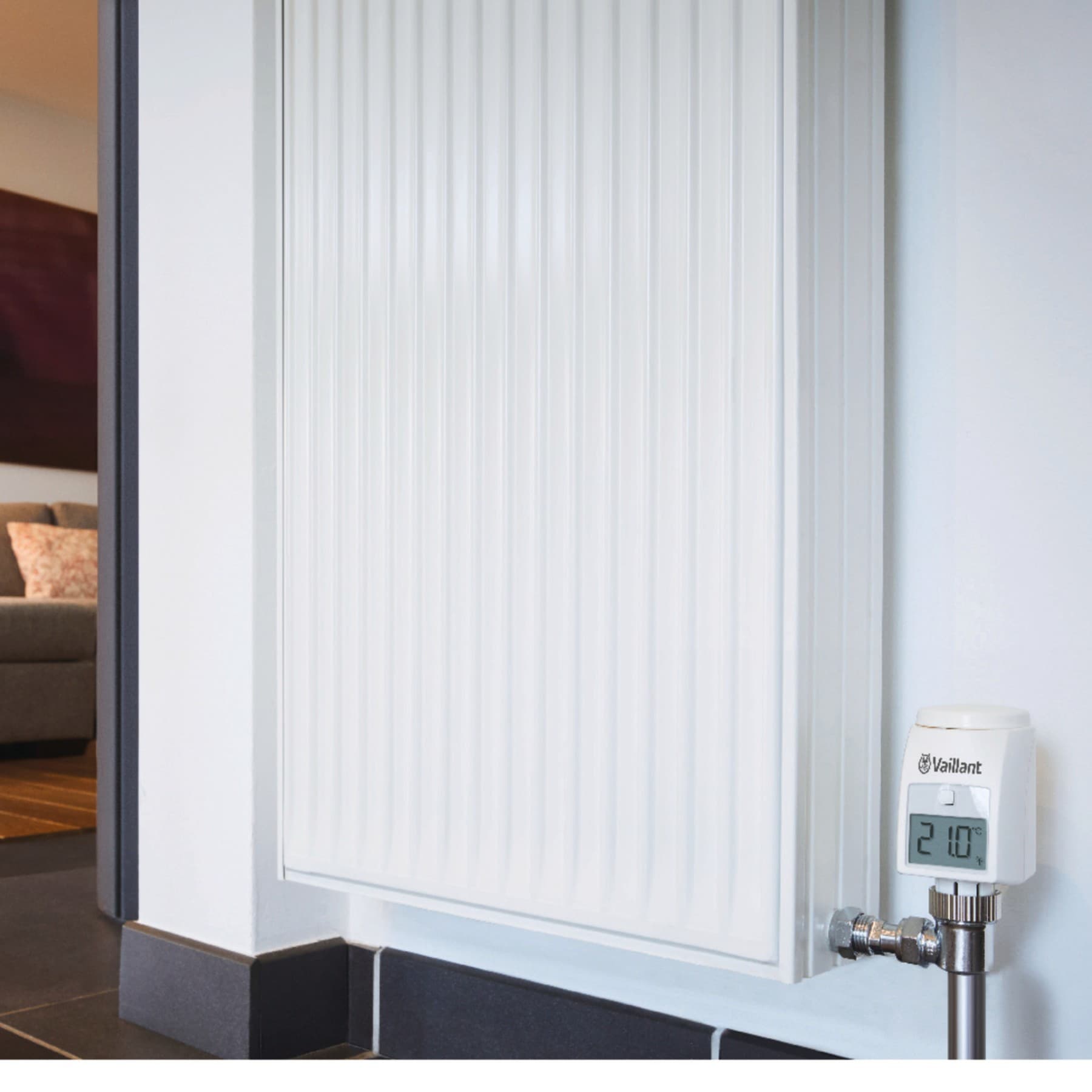
Find the perfect bathroom radiator for post-shower warmth.

Requirements and benefits of modern bathroom radiators
What makes a great bathroom radiator?
The modern bathroom has evolved from a purely functional space to a personal retreat for wellbeing. To thrive in this environment, heating solutions must meet specific requirements, including moisture resistance to endure humidity and the ability to evenly distribute warmth. Bathroom radiators rise to the occasion, efficiently warming your space while providing practical towel drying and storage options. These versatile designs not only cater to your comfort but also keep your bathroom organised and inviting
Radiators today do more than just heat; they enhance your bathroom's aesthetic appeal. With styles ranging from sleek and contemporary to classic and traditional, they seamlessly integrate into any decor. This blend of functionality and style ensures efficient heating while maintaining aesthetic coherence. As we explore further, we'll uncover the specific advantages these radiators bring to your bathroom environment.
- Built to withstand humidity.
Quality bathroom radiators are crafted to endure high humidity and temperature fluctuations, maintaining performance without compromise. This ensures longevity and reliability in your bathroom's demanding environment.
- Warm up in no time.
Efficient bathroom radiators rapidly reach comfortable temperatures, ideal for short, frequent use. This quick response is crucial for maintaining warmth during those occasional visits throughout the day.
- Say goodbye to dampness.
Warm surface temperatures in your bathroom minimise moisture settlement on walls and fixtures, significantly reducing the risk of mould and mildew growth. This keeps your bathroom healthy and fresh.
- Comfort beyond seasons.
Dual-fuel radiators provide warmth without activating the central heating system, offering towel warming and comfort even in summer. Perfect for maintaining convenience and efficiency all year round.
Different bathroom heating types
Bathroom comfort comes in many shapes and sizes.
- Heated towel rails
- Traditional radiators
- Underfloor heating

Efficient heating with added vaule.
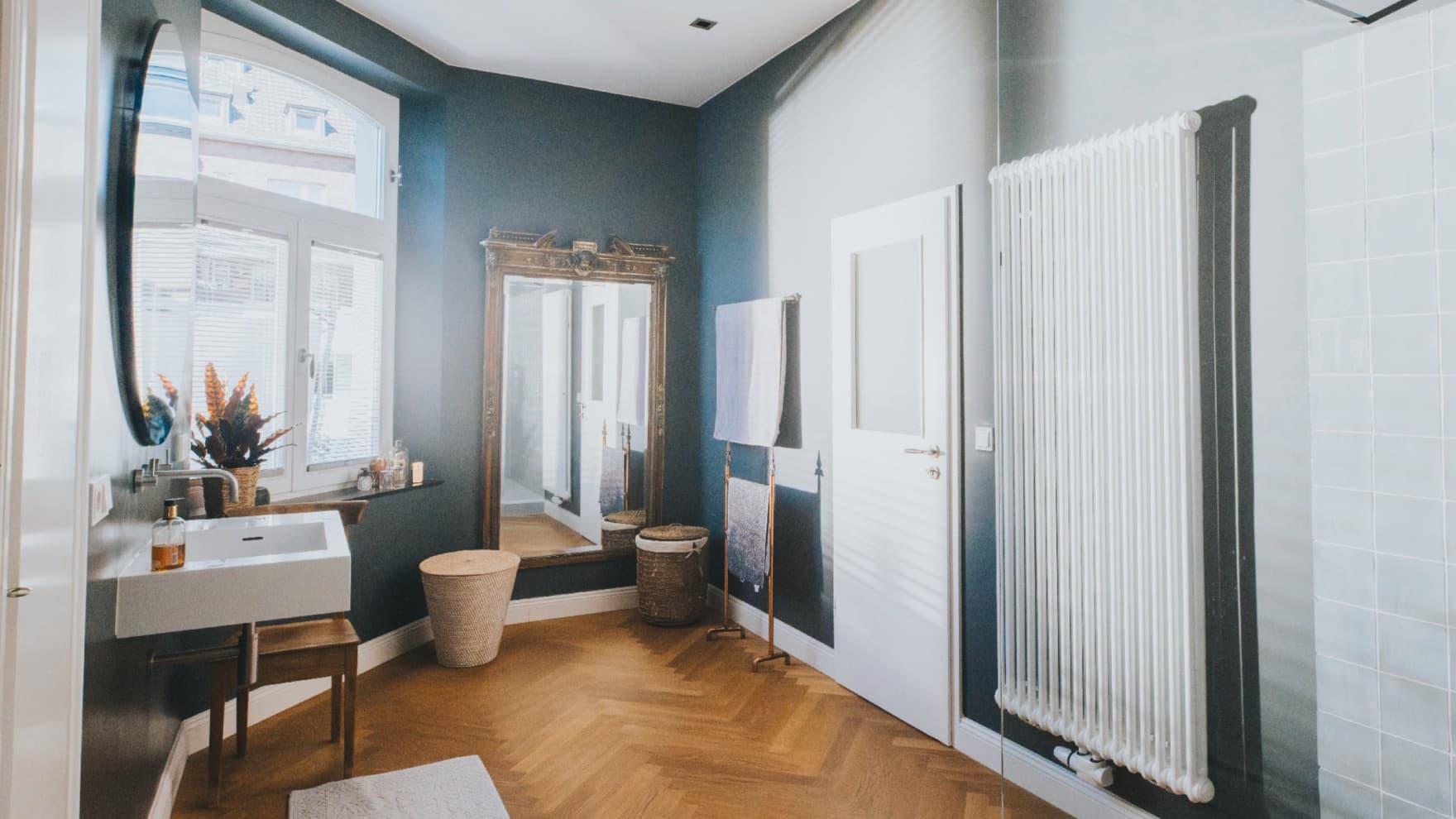
They are the most popular choice for modern bathrooms. Heated towel rails combine efficient room heating with practical towel drying functionality. Available in ladder designs, curved models, and artistic configurations, these versatile heaters work well in bathrooms of all sizes. With chrome, brushed brass, matte black, and white finishes, you will find the design that fits your style for sure.
Different ways of operation
How bathroom radiators work.
- Central heating radiators.
Connected to your home's main heating system, these radiators circulate hot water through their internal channels to radiate heat into your bathroom. They operate whenever your central heating is active and represent the most common and typically most economical option for regular use.
- Electric radiators.
Operating independently from your central heating system, electric radiators offer precise control and rapid heating. Simply connected to your electrical supply, they can be activated on demand without running your entire heating system – ideal for occasional use or summer months when you need a warm towel but not a fully heated home.
- Dual fuel systems.
Offering the best of both worlds, dual fuel systems can operate via either your central heating or electricity. During winter, they function as part of your whole-house heating system, while in summer, they can be electrically powered for towel warming without activating your boiler – providing year-round functionality with optimal energy efficiency.

Bathroom radiator sizing and positioning
Finding the right size and the right place for your bathroom.
Getting your bathroom heating just right means thinking about both the technical details and where your radiator will work best in your space:
Heat output calculation (in watts or kilowatts) helps you to determine the heating capacity needed for your bathroom. It considers room dimensions in square meters, window size, insulation quality and desired temperature. Many manufacturers offer online heating calculators that convert your room specifications into power requirements, typically recommending around 75-100 watts per square meter for well-insulated bathrooms.
Wall space availability is often the decisive factor for your radiator location, particularly in smaller bathrooms. Measure carefully and consider door swings, fixtures, and accessibility when planning placement. The ideal position balances efficient heat distribution with practical considerations like towel access and aesthetic integration with your bathroom design.
Avoid splash zones near showers, baths, and sinks to prevent water damage and maintain optimal performance. While bathroom radiators are designed for humid environments, direct water contact should be minimized.
Consider your daily habits when positioning your radiator. For towel rails, ensure convenient access after bathing. For space heating, position your radiator where it can distribute warmth effectively throughout the room without being blocked by fixtures or furniture.