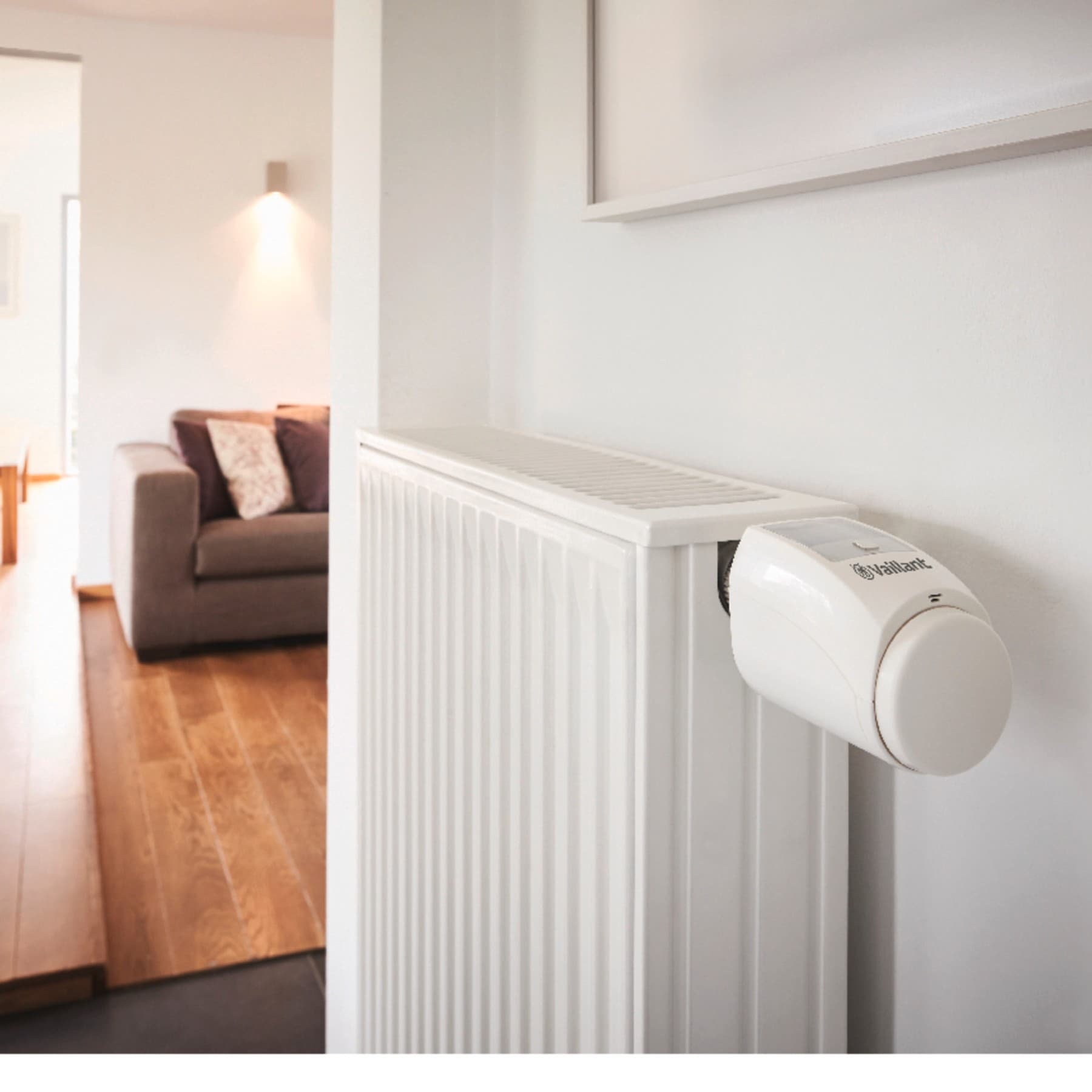
Electric heating - a step beyond alternatives.

How home heating with electricity works
Plug-in for instant comfort.
Thinking about electric heating? It's a versatile choice for modern homes, capable of providing both comfortable space heating and all your domestic hot water. Technologies like electric radiators, infrared panels, and intelligent storage heaters offer flexible, often simple, installation. Crucially, heat pumps, which run on electricity, stand out as a highly efficient and environmentally friendly option for all your heating and hot water needs. Embrace electric heating for a sustainable lifestyle, powered increasingly by renewable energy.
Advantages of electric heating
The flexible choice for your home.
- Install with ease.
Electric heaters are budget-friendly and simple to install, needing only a power connection. No chimneys or ventilation pipes required, simplifying the setup.
- Flexible placement.
Place electric heaters on walls, floors, or ceilings, or use them as mobile units. With no combustion processes, they require minimal maintenance.
- Eco-wise heating choice.
Using green electricity or your photovoltaic system, electric heating reduces CO₂ emissions, making it an eco-friendly choice for sustainable living.
- Feel the heat immediately.
Provide immediate, targeted warmth, perfect for transitional seasons or as a supplement in rarely used spaces or hard-to-connect extensions.
Different ways to heat with electricity
From infrared heaters to heat pumps.
Electric heating systems convert electrical energy into warmth, offering various types suited for different needs.
Among conventional electric heaters, the key distinction lies in their heat distribution method: radiation or convection. Wall heating and underfloor heating systems use radiation, emitting heat like sunlight, directly warming objects in the room. Convection heaters, such as rapid heaters, use fans to circulate warm air quickly.
However, heat pumps are a unique exception among electric heating solutions.
If you're seeking the perfect electric heating solution for your home, you have several effective options to choose from.
- Heat pumps
- Direct electric heaters
- Infrared heaters
- Night storage heaters
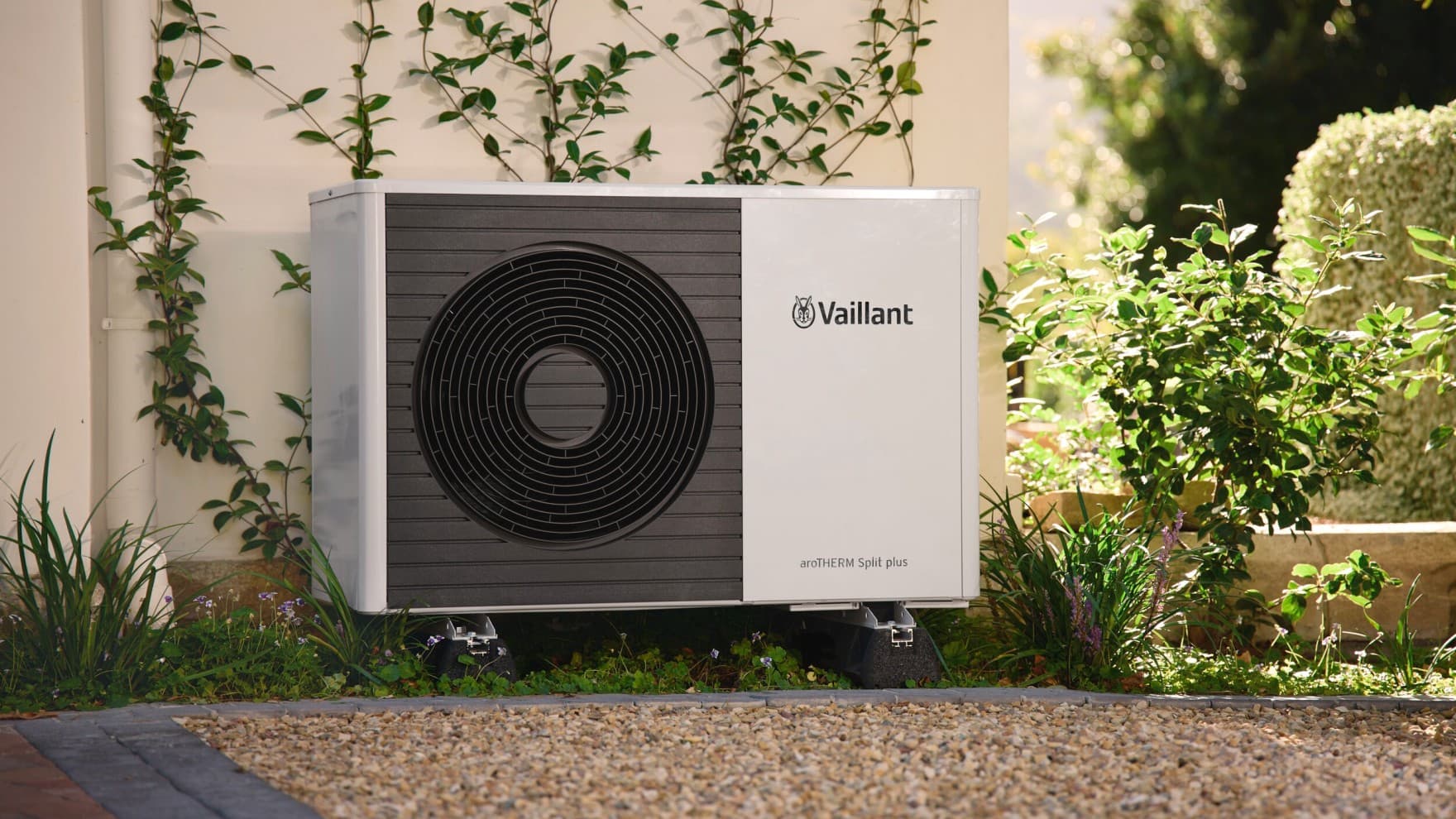
Maximum heat with minimum power consumption.
Heat pumps, while requiring electricity, operate differently from traditional electric heaters. Instead of converting electrical energy directly into heat, heat pumps use electricity to extract heat from the environment, such as air, ground, or water. This process is similar to a refrigerator in reverse, providing efficient central heating. Although up to a quarter of the energy used by heat pumps is electricity, the majority of the heat comes from the environment, making them highly efficient. This allows heat pumps to generate more heat than the electricity they consume, making them the perfect heating source.
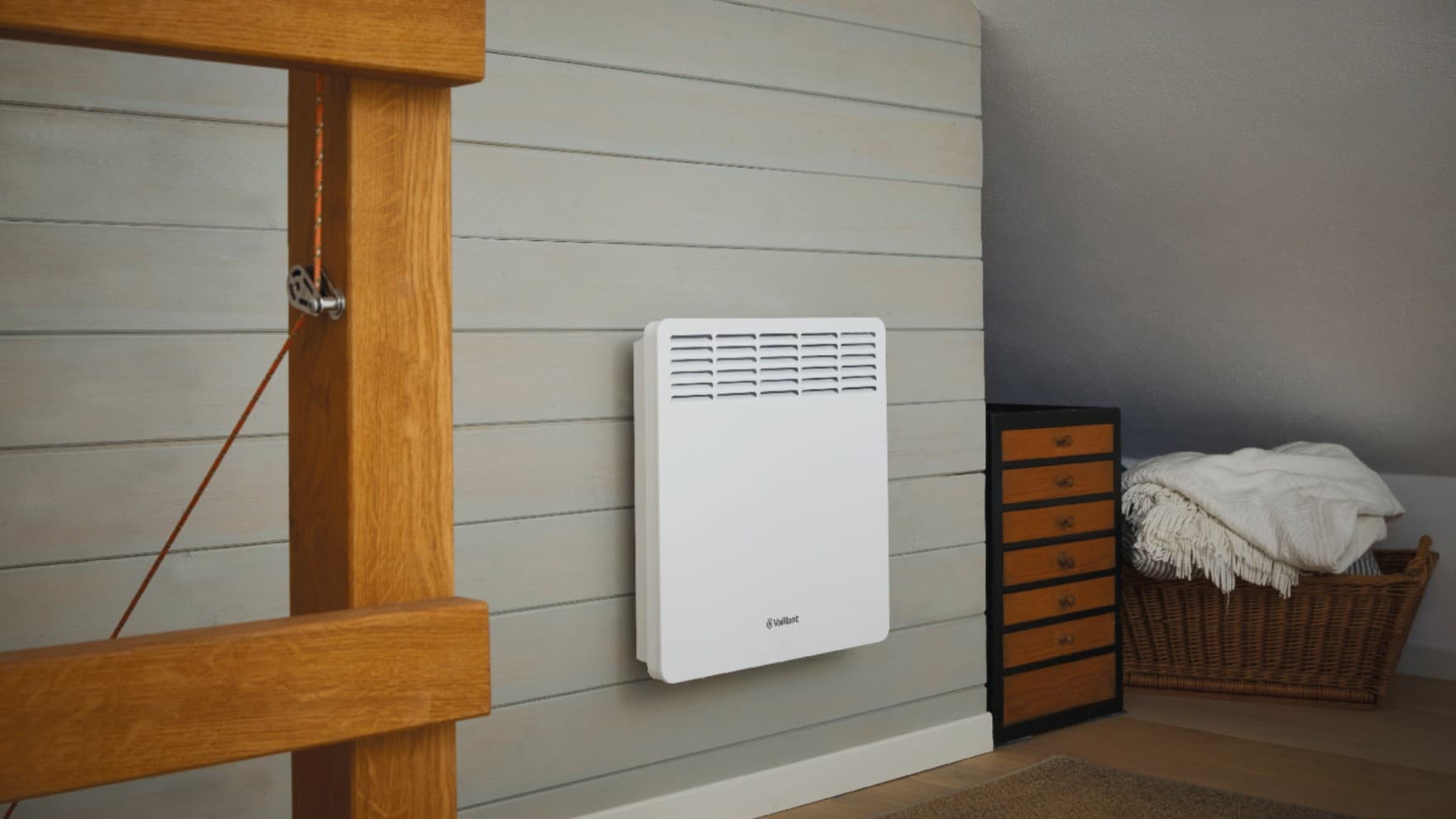

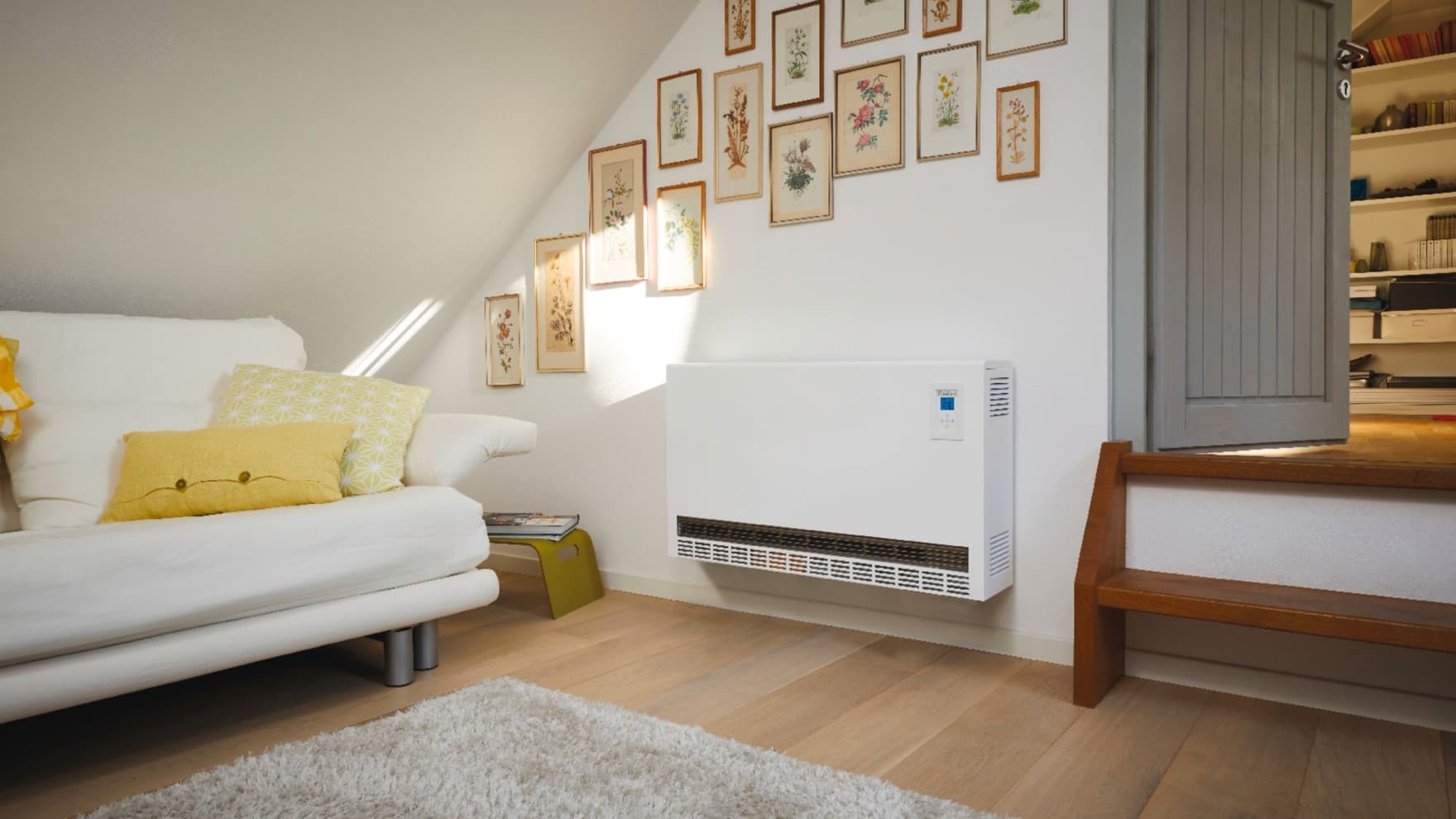
Electricity vs. gas heating cost comparison
Finding the balance for your budget.
When considering heating options, the debate of electricity vs. gas arises, with cost being a major factor. Is it possible to heat cheaply with electricity? It depends on usage. Electric heaters can be economical for seldom-used rooms or well-insulated homes with low heat demand. However, electricity rates average 27 cents/kWh*, while gas costs about 10.22 cents/kWh.* Electric heating can be sensible when used sparingly, benefiting from low acquisition costs. The cheapest way to heat with electricity involves self-generated power, reducing expenses.
Without these systems, each kWh of heat comes directly from the grid, making electricity a less cost-effective choice for main heating, particularly in poorly insulated buildings. High electricity tariffs render electric heaters inefficient, consuming substantial energy to maintain desired temperatures, thus driving up costs. A more sustainable and efficient alternative is upgrading to a heat pump system. Heat pumps draw heat from the environment, requiring up to a quarter of their energy from electricity, yet offering greater efficiency than traditional electric heaters. In well-insulated buildings, heat pumps reduce heating costs and provide a versatile solution for both heating and cooling.
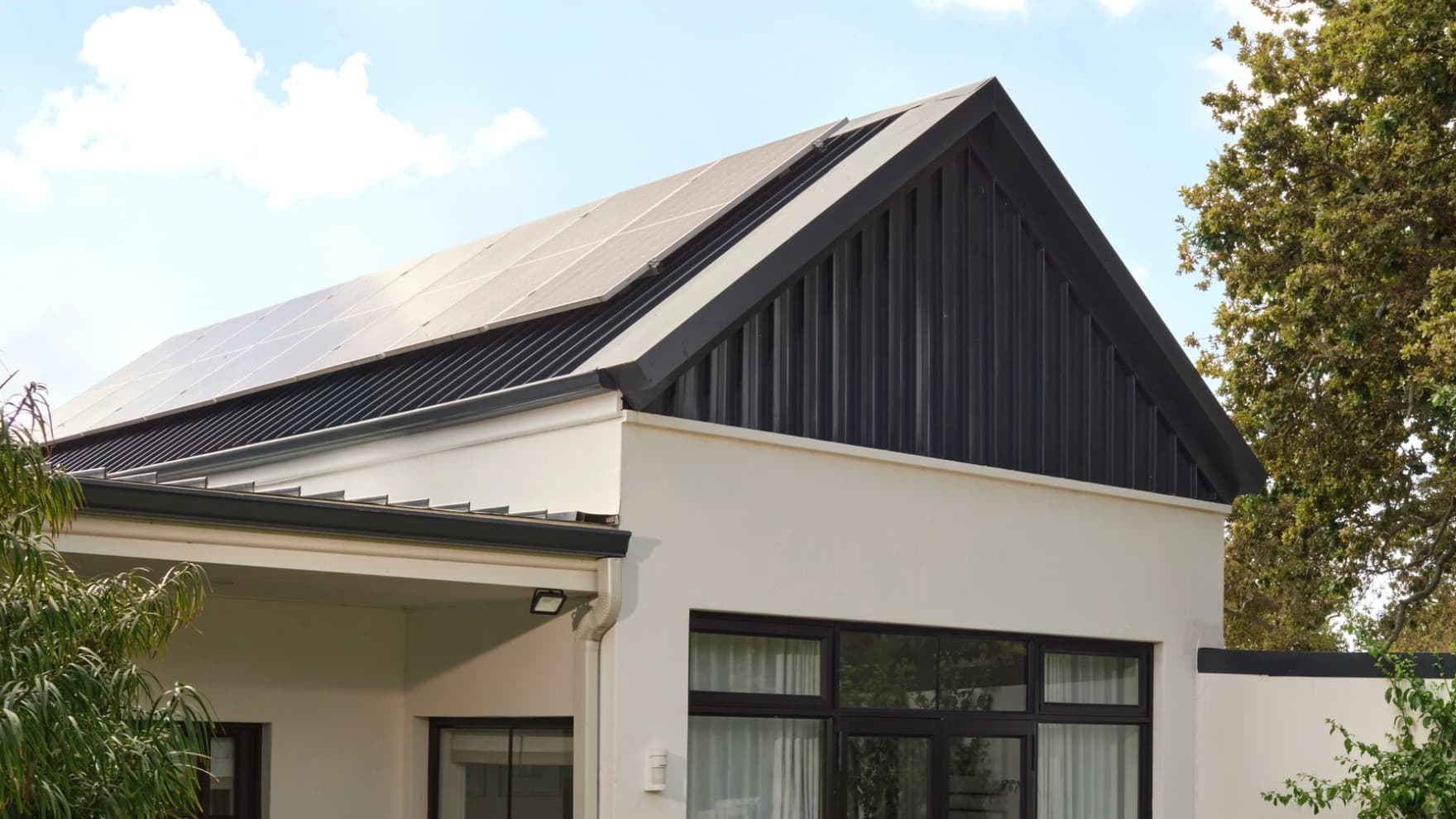
Generate electricity with photovoltaic
Stay warm and independent with the sun's power.
With photovoltaic systems, electricity can be self-generated. By producing photovoltaic electricity (also known as solar power), you can meet your own heating electricity needs and become more independent from electricity providers. In sunny months, a large portion of heating needs can be met with self-generated electricity, leading to a significant reduction in heating costs. Additionally, by combining photovoltaic systems with a power storage unit, you can further increase efficiency. This allows you to store excess PV electricity and use it during times without sunshine.