Radiators: how your type works and is structured.

Function of radiators
How radiators work to make your home cozy.
All radiators use an energy source to transfer heat into rooms. Radiators heat rooms using hot water or electrical current. For radiators connected to a heating system, the heating water cools down as it passes through and gets reheated in the boiler. Electric radiators, like fan heaters and infrared heaters, use electricity from utilities or photovoltaic cells to heat a room.
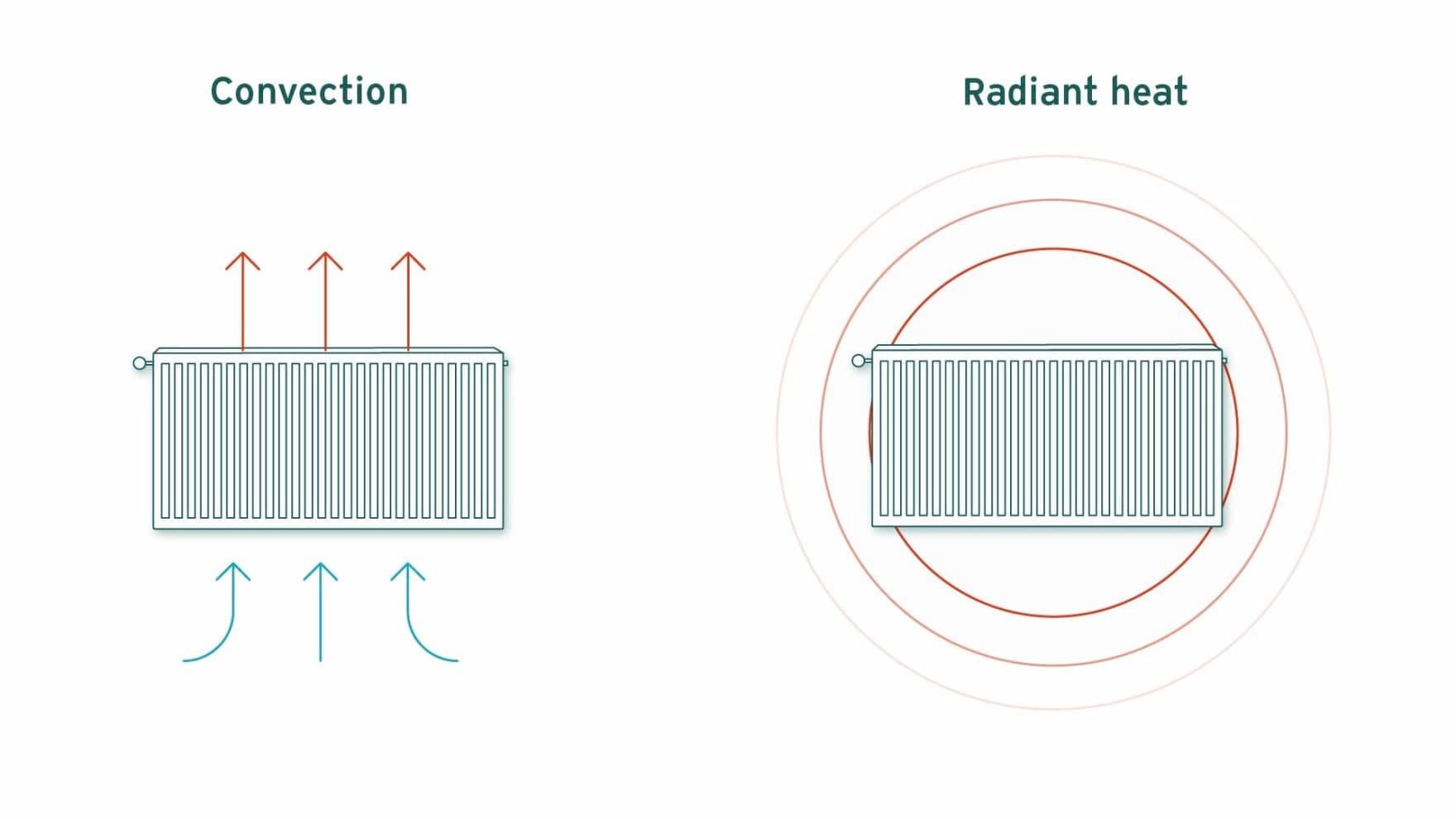
There are two basic types of heat transfer that heat a room: convection and radiant heat. It's less technical than it sounds, here's the explanation:
- Convection
With convection, heat transfers from the radiator to the room air. Warm air rises, circulates, and triggers a cycle. The radiator's warm surfaces heat the air, which rises. Cool air from the floor flows to the radiator, repeating the cycle.
- Radiant heat
Radiant heat warms you and solid objects like walls, and furniture directly, not through the air. The surface of the radiator distributes the heat evenly. People find radiant heat wonderfully pleasant.
Overview of radiator types
Pros and cons of different radiator types.
Eventhough most radiator types work quite similar, they differ in efficiency and usability. We give you details about every important type and their respective benefits and draw-backs.
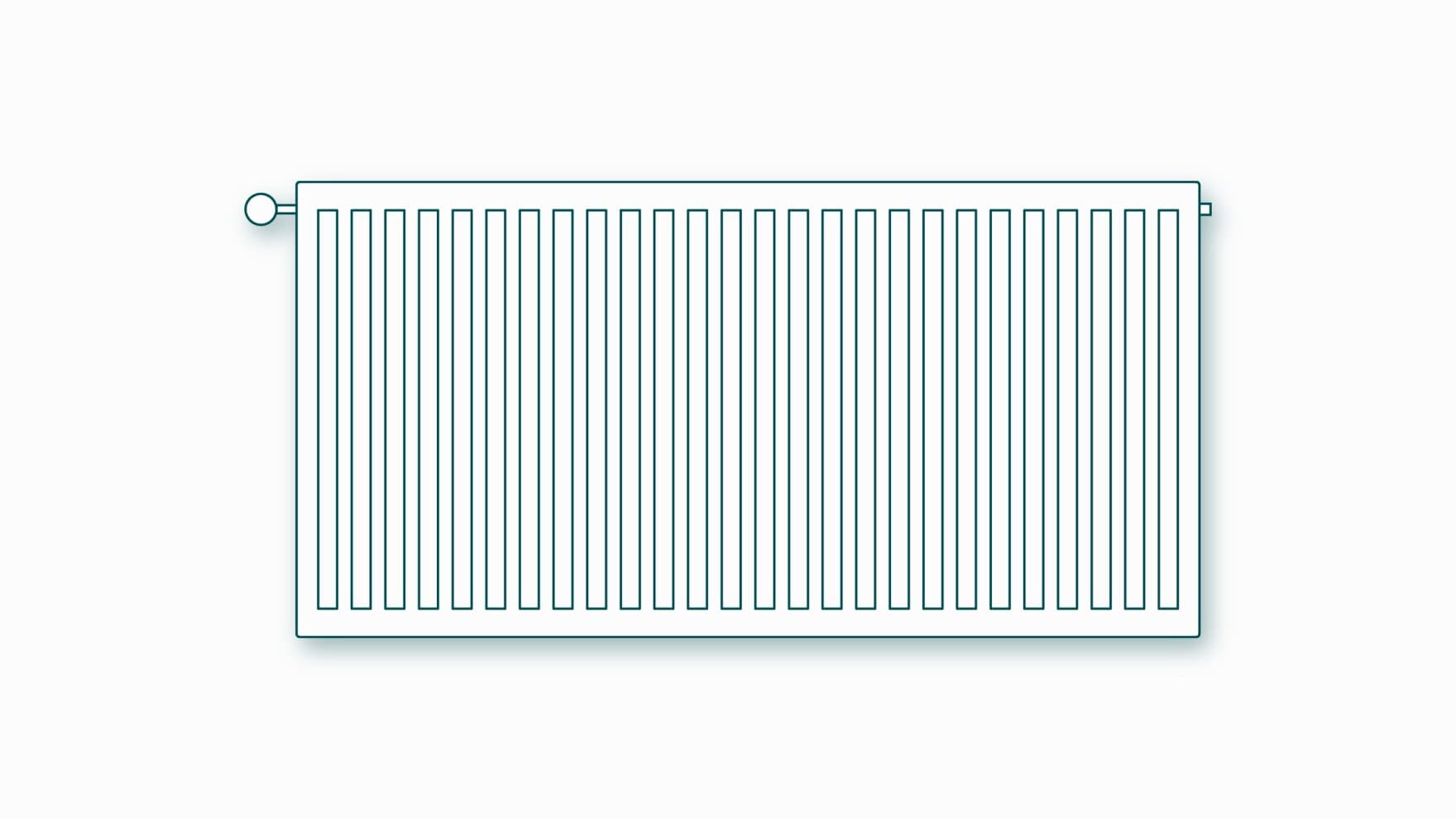
Plate / compact radiators
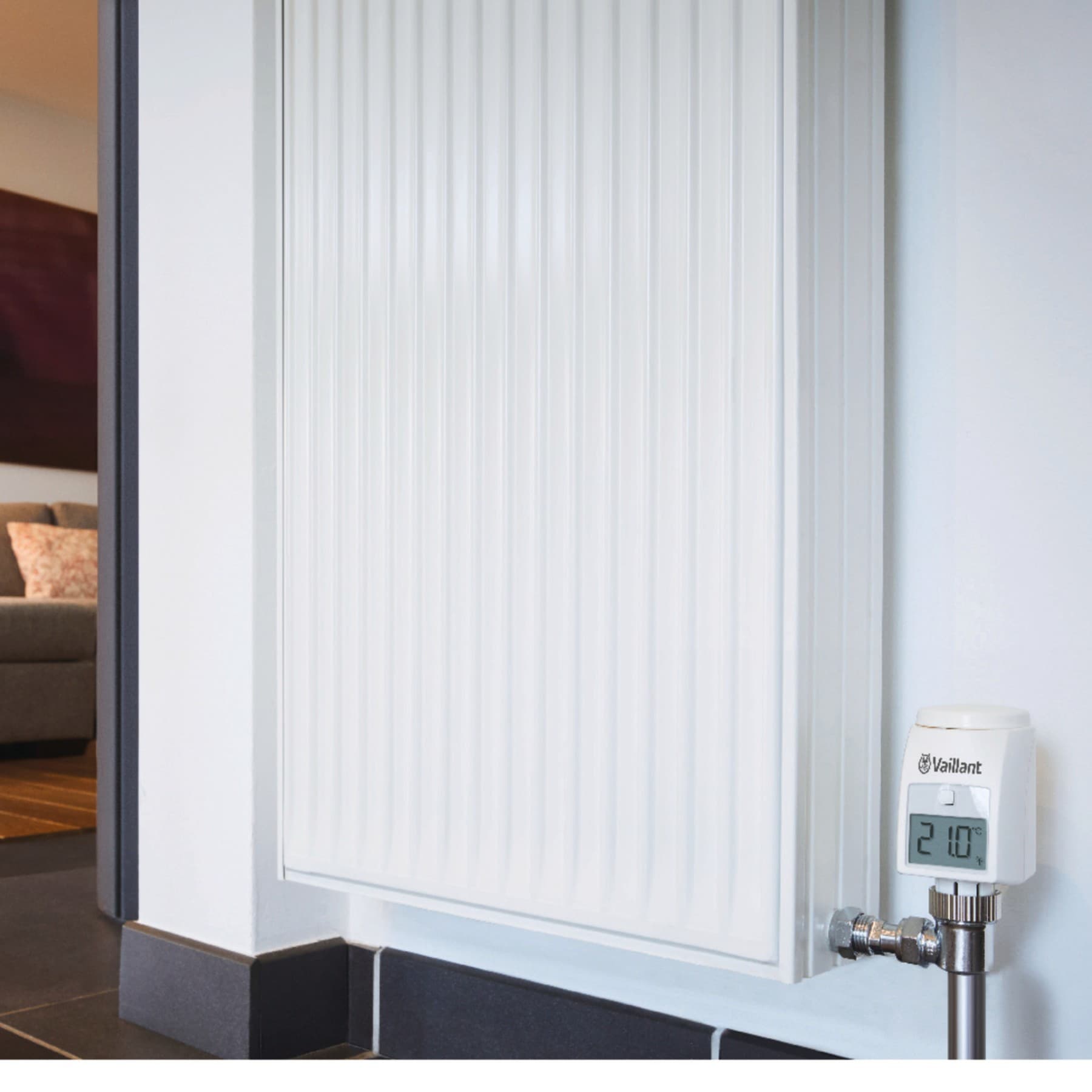
Structure and function: In a steel panel radiator, several heating panels made of steel sheets, through which heating water flows, form the radiator. Convection sheets are usually attached between these panels to absorb heat and warm the air. Steel panel radiators also radiate heat through their large surface.
Increasing the number of convection plates boosts convection heat. Modern panel radiators can operate at low flow temperatures. Besides gas heating, a heat pump can also be a heat source if designed accordingly.
Pros
- High proportion of convection heat
- Compact design thanks to steel panels and convection fins
- Inexpensive
- Require less water than ribbed radiators
- Can be used with a heat pump and solar thermal energy
- Attractive design possible
Cons
- Convection fins are difficult to clean
- Dust can become embedded in the fins over the years
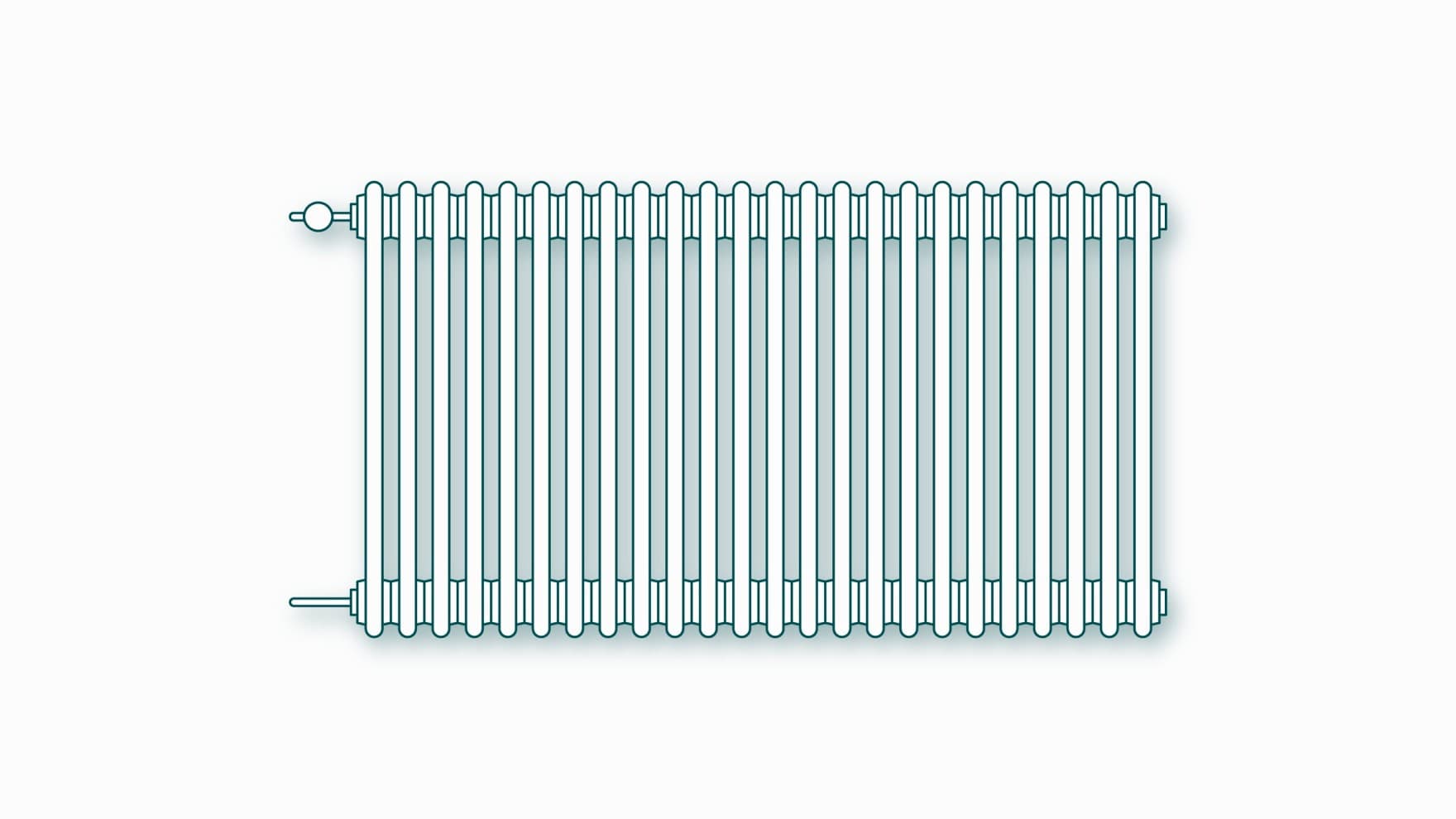
Steel / cast iron radiators
Structure and function: Steel / cast iron radiators are the classic type, originating in the 19th century. Heavy cast-iron elements, now made of steel, are still used in many buildings. Their modular design allows them to be custom-made. Heavy grey cast iron radiators often have cast feet due to their weight, making wall-mounting impractical.
These radiators give off much of their heat through radiation. Their additional convection often circulates many dust particles in the air. They are mostly used with gas condensing boiler. In well-insulated buildings, they function at medium flow temperatures, but poor insulation requires high flow temperatures.
Pros
- Inexpensive
- Flexible and adaptable
- Fast reaction and heating
Cons
- Medium to high flow temperature required
- High proportion of radiant heat
- High dust content due to convection
- No elegant design possible
Good to know
Surface heating systems (wall, ceiling, underfloor) and modern panel radiators use large surfaces and need only a low flow temperature. Smaller radiators (ribbed, tubular) must operate at higher temperatures for the same heating output. Thus, the larger the heating surface, the lower the flow temperature required.
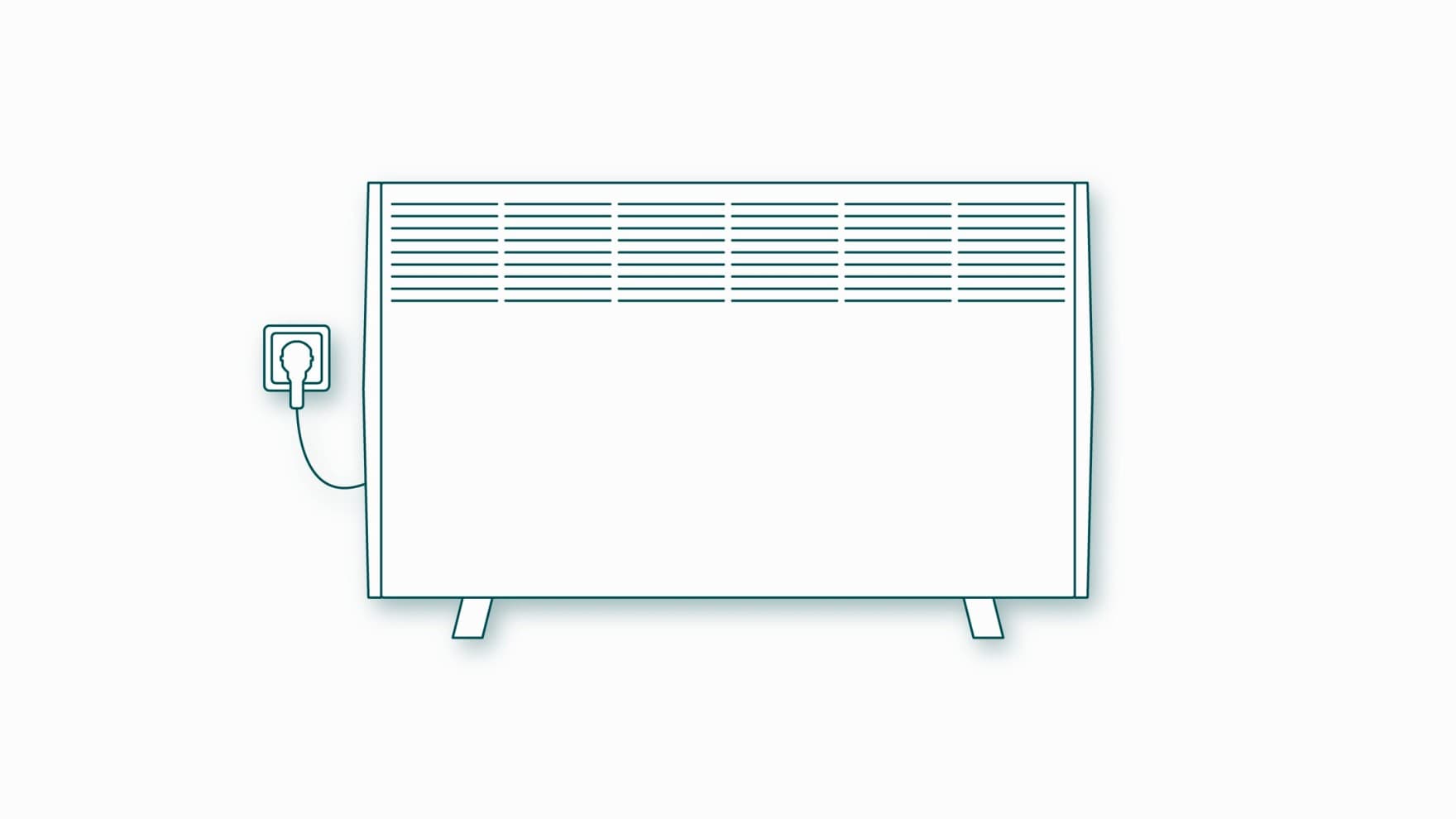
Convectors
Structure and function: Convection heaters are a special type of compact, electrically operated, and usually mobile heater. Some have small fans that draw in cold air, heat it over hot surfaces, and release it at the top. This provides quick heat if you need it flexibly placed. Its flexibility makes it perfect for short-time usage. It's not meant for long-term operation, as this can become expensive. However, purchase and installation are inexpensive and easy.
Pros
- Inexpensive
- Compact and mobile
- Quick to set up
Cons
- High electricity costs during prolonged operation
- Only suitable as a temporary back-up heater
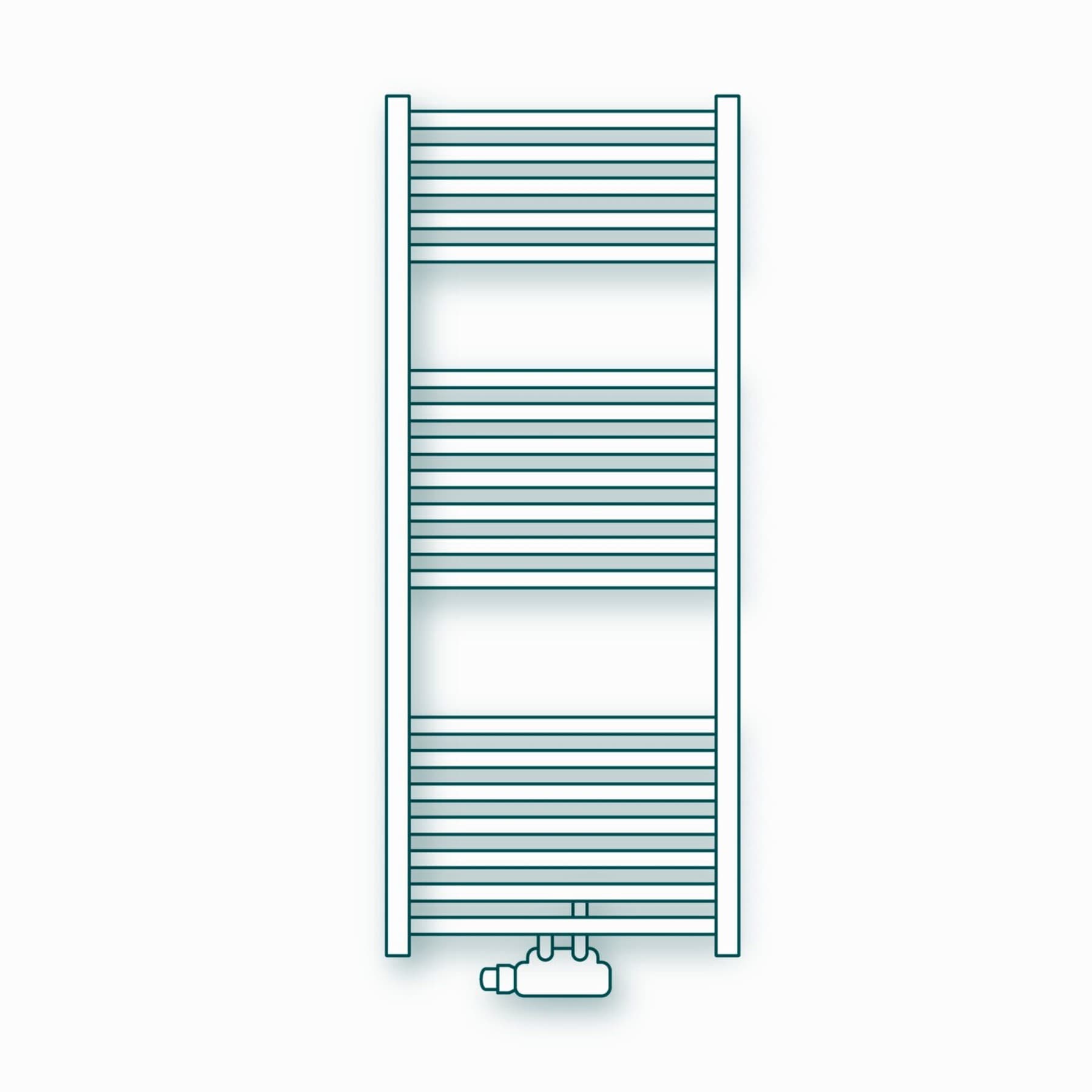
Bathroom radiators / Tubular radiators
Structure and function: Column or bathroom radiators resemble sectional radiators, with horizontal heating tubes like towel rails. In bathrooms, white column radiators are easy to care for and durable.
They radiate most heat as convection and suit condensing boiler systems. For heat pumps, larger surface areas are needed due to lower flow temperatures. Tubular radiators can operate electrically or as hybrids (domestic hot water and electric).
Pros
- Many shapes possible
- Many uses (e.g. towel dryers, bathroom radiators)
- Easy to clean and therefore hygienic
Cons
- High proportion of convection heat
- Medium to high flow temperature required
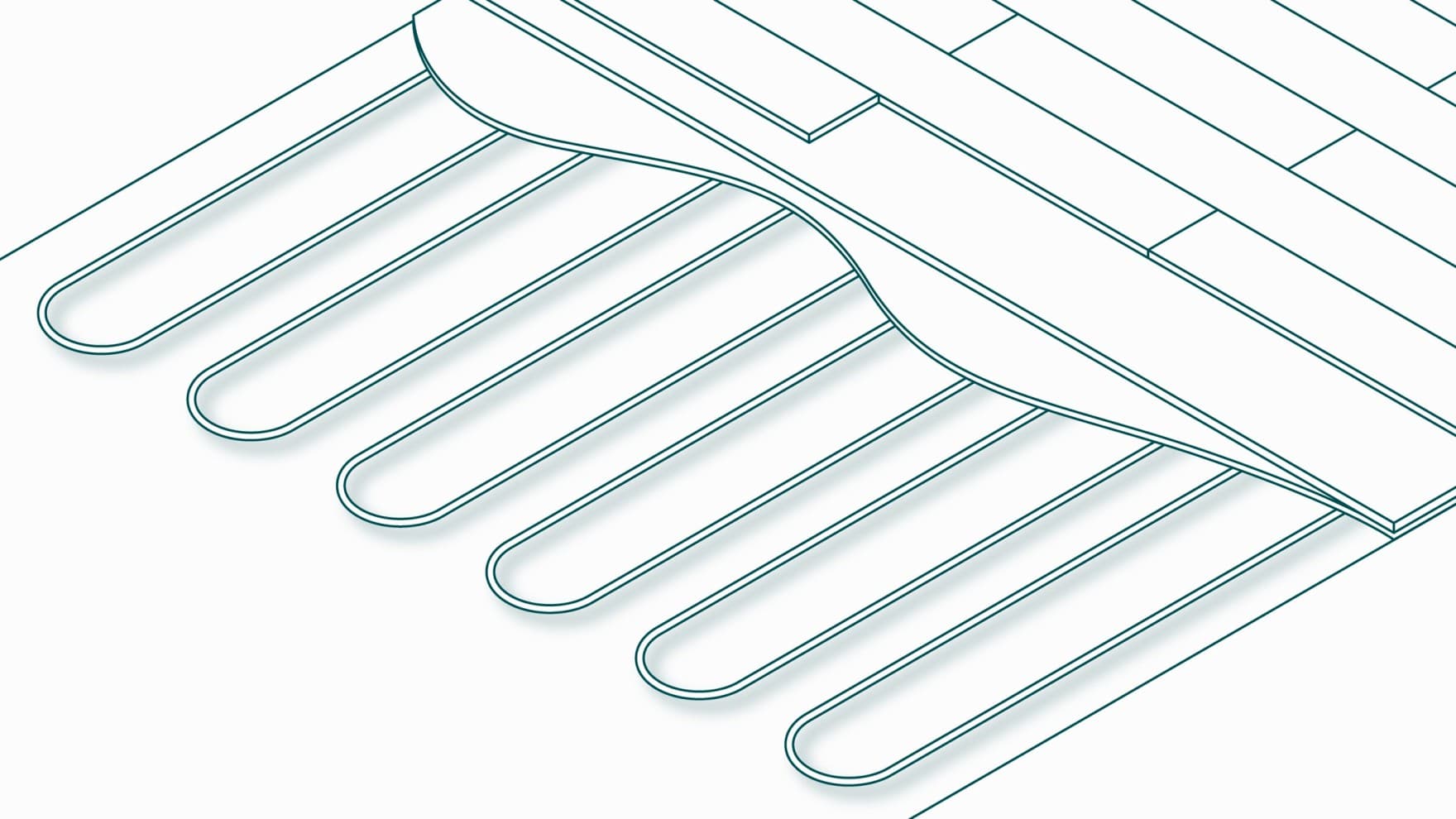
Underfloor heating
Structure and function: Underfloor heating is a type of surface heating that uses the floor, and can also be installed in walls or ceilings. Its advantages include low flow temperatures and no need for additional radiators.
With large heating surfaces, underfloor heating operates efficiently with renewable energies like solar thermal and heat pumps, which work best at low flow temperatures. Gas condensing boilers can also be used.
Pros
- Large heating surface
- Even heating
- Low flow temperature
- Ideal for heat pumps and solar thermal energy
- No visible radiator
Cons
- High investment costs
- Regular maintenance required
- Repairs in the event of a leak can be very costly

Infrared heating
Structure and function: Infrared radiant heaters convert electrical energy into heat and radiate it into the room in one device. Designed as flat radiators, they are inconspicuous and easy to install later.
They work on the principle of radiation and provide quick heat. However, due to the high cost of electricity, they are best suited for small, temporarily heated rooms.
Pros
- Long service life, no maintenance
- Relatively inexpensive
- Can be used as a designer radiator
- Can be operated sustainably with photovoltaics
- Pleasant radiant heat
Cons
- High operating costs if no photovoltaic system
- Long-term heating expensive
- Above all, good insulation of the house is necessary
Placement of radiators
Finding the perfect spot for a radiator.
In well-insulated buildings, radiator placement is less critical. Proper ventilation openings are more crucial for air exchange. A ventilation system ensures high air quality and may be required by law.
- On exterior walls
- Under windows
- Ensure proper ventilation
- Flexible in well-insulated homes
Energy saving tip
If you live in an old building, are the radiators by the window insulated on the outside wall? If not, install an insulating layer behind the radiators to prevent heat loss. You can get suitable insulating material from a DIY store or have it done by your installer.