Why Replacing Your Oil Heater Makes Sense

When modernisation makes sense
Signs it's time to replace your old oil heating.
- High heating costs.
Modern heating systems are typically much more efficient than older models. They significantly reduce your energy consumption and heating costs.
- Frequent repairs and risk of failure.
Do you need to repair your oil heating system frequently or fear it might fail? Then it's time to learn about new, reliable heating options.
- Rising energy costs.
With increasing energy prices and potential carbon pricing in many regions, more efficient and renewable heating systems can offer significant long-term savings.
- Outdated heating technology.
Outdated heating technology often offers fewer options for precise temperature control and heat distribution throughout your home. A new heating system increases living comfort and your property's value.
The replacement process
How to successfully replace your old oil heating system.
- 1/4
First, contact a Vaillant expert to find the optimal heating solution for your home. The specialist will calculate how much power the heating system needs to provide for space heating and hot water in your house. Based on your wishes and available budget, they'll determine which heating system perfectly suits your needs.
- 2/4
Once you've found your future heating system, the next step is to explore available financial incentives. Many regions offer subsidies, tax benefits, or low-interest loans for upgrading to more efficient heating systems. Your Vaillant expert can typically advise you on which incentives are available in your area.
- 3/4
Now have the oil tank removed and disposed of properly. If there's still residual oil in the tank, you may be able to sell it. It's best to hire a specialised company for the transfer and disposal of the oil tank. These experts also know which environmental regulations must be observed when decommissioning oil heating systems. In many regions, the disposal costs may be eligible for inclusion in available incentive programs.
- 4/4
Immediately afterward, your Vaillant expert will install the new heating system. Usually, the new heating system is prepared in parallel with the old system. This means that some preliminary work, such as laying pipes or installing components, already happens in advance before the old heating system is completely decommissioned. Specialist companies are specialized in carrying out the change as efficiently as possible, keeping the time without heating and hot water as short as possible.
Different heating types
Great alternatives to your oil heating system.
- Heat pumps
- Hybrid systems
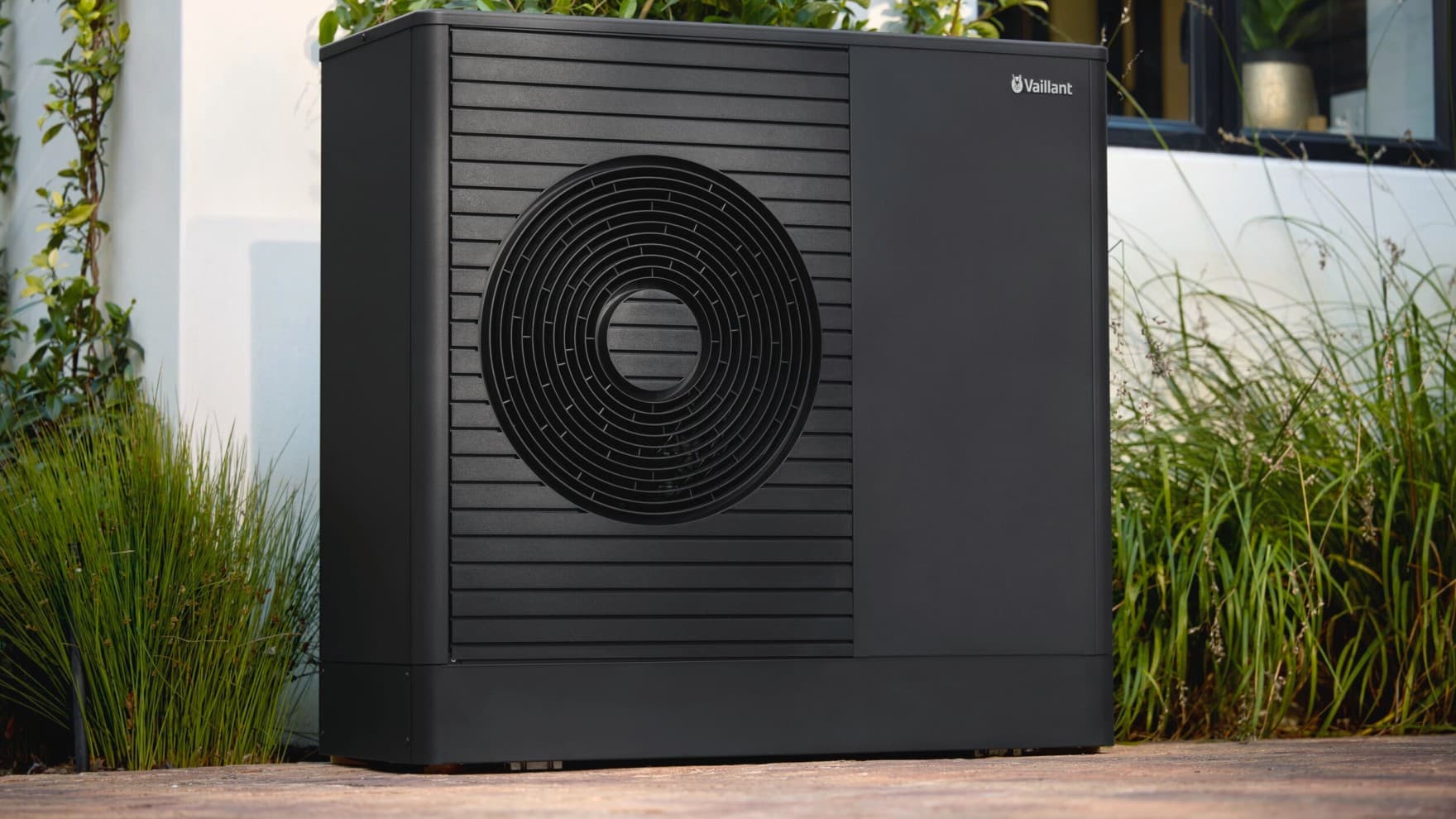
Heat pumps are the first choice for sustainable heating. They use free environmental energy to efficiently provide warmth and hot water to your home. The eco-friendly system is ideal for new builds and the modernisation of older buildings with good energy standards.