Your boiler makes a strange noise?

Typical boiler sounds
Your boiler sounds different than usual.
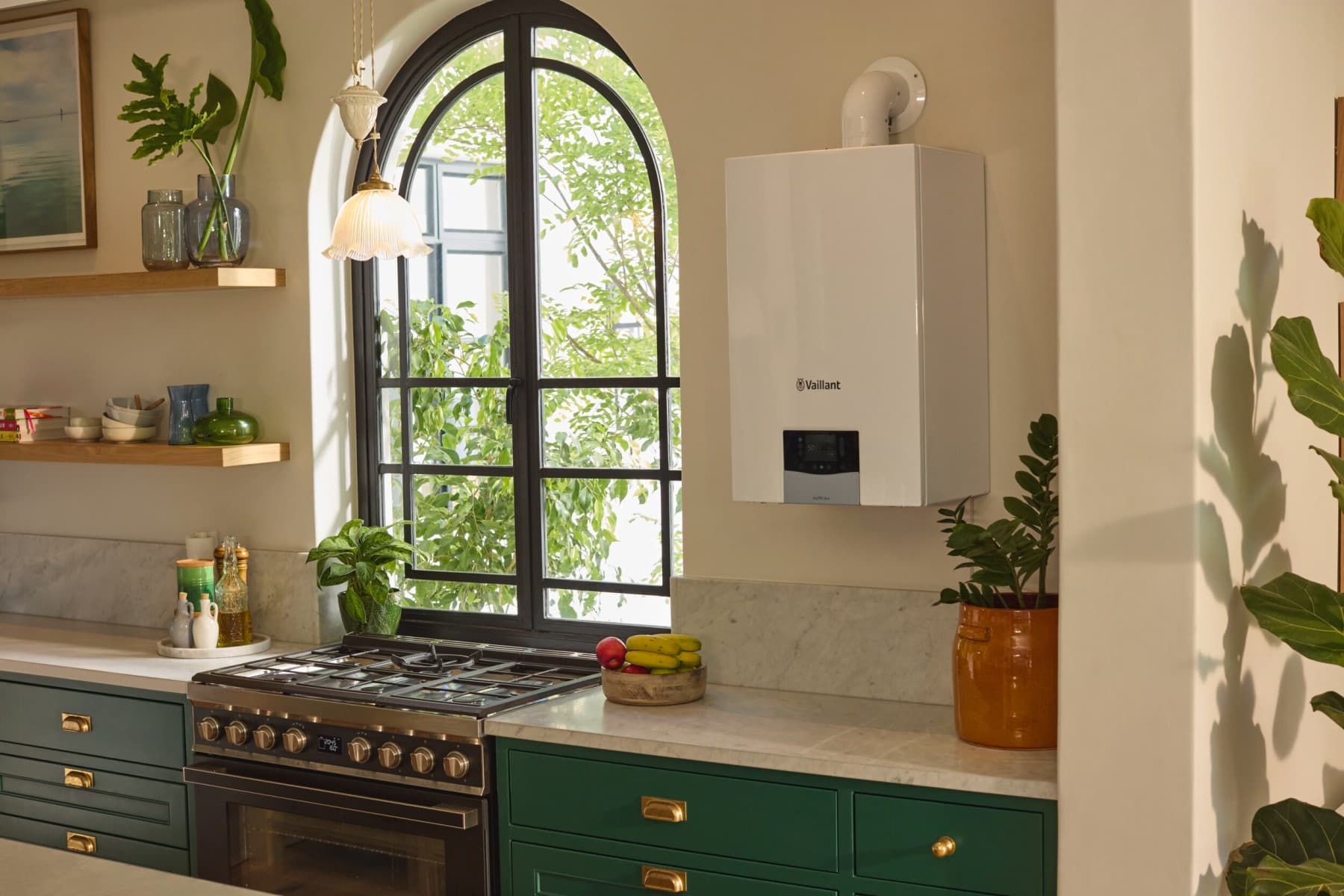
The last thing you want to have is a broken boiler. It's the heart of your comfort at home after all. However, it’s perfectly normal for a boiler to make a noise sometimes. For example, when the pilot light is ignited, or when the pump circulates water around the boiler’s burner and heat exchanger. But when your boiler starts making strange noises, it's good to take action.
Pay attention to these sounds
Five noises you should listen out for.
Let’s have a look at the most common boiler noises and what you can do about them.
1. Boiler kettling.
Boiler kettling is a common cause of a noisy boiler. Your home's boiler system typically heats water to around 70°C before circulating it throughout your home. However, when water flow becomes restricted, the water can heat too rapidly and reach boiling point (100°C). This creates steam and traps air within your system, resulting in a distinctive whistling noise or a banging sound.
Why does boiler kettling happen? Understanding slow water flow.
- Limescale build-up.
In hard water areas, limescale accumulation is a frequent culprit. Minerals from mains water gradually deposit in pipes and heat exchangers. These deposits narrow the effective cross-section of your pipework. Restricted channels create more turbulent water flow. Water overheats as it passes slowly over the heat exchanger. Steam forms, increasing pressure inside your system. Living in a hard water area significantly increases your risk of experiencing this common issue, as the same water circulates repeatedly through your system.
- Faulty thermostat.
Your boiler's temperature control system might be compromised. Incorrect temperature readings can cause dangerous overheating. This issue is particularly common in older boilers nearing the end of their lifespan. Modern, eco-friendly systems feature enhanced safety devices to prevent this problem.
- Damaged pump.
The circulation pump is crucial for efficient operation. It maintains proper water flow throughout your heating system. When faulty, water moves too slowly and overheats. This creates the perfect conditions for kettling to occur.
2. Gurgling noises.
Gurgling noises from your heating system indicate that air has become trapped inside and is mixing with the water as it circulates. While this isn't typically a serious issue, addressing it promptly will ensure your system operates efficiently and sustainably. The good news is that resolving this common problem is something you can easily handle yourself.
3. Drone noises.
Is your boiler making sounds similar to an aircraft taking off? These distinctive drone noises can be disturbing for your home environment. While several factors might contribute to this issue, a faulty circulation pump is typically the primary reason. However, it's important to note that other components could also be responsible.
4. Humming noises.
Humming noises from your boiler can stem from several different sources, all affecting your system's efficiency and comfort. High-pressure water entering from the mains can cause valves throughout your boiler and pipework to produce a persistent humming sound. Alternatively, your circulation pump might be operating at excessive speed, pushing heated water through your system too rapidly. In some cases, the bearings in your boiler's fan may be creating this humming as they rotate.
5. Whooshing noises.
Your boiler is making whooshing noises? This typically points to one of two common airflow issues that affect your system's efficiency and performance:
Air intake pipe blockages:
Your boiler's air intake pipe connects the back of your unit to the outside of your property, providing essential air for combustion. When debris or foreign objects obstruct this pipe, it creates a distinctive whooshing sound as air struggles to flow through. You can perform a simple check by placing your hand near the external pipe opening – if you cannot detect air movement, a blockage is likely present. However, if air is flowing, the issue may lie with your air filter instead.
Air filter blockages:
Inside your boiler, the air filter plays a crucial role in maintaining clean airflow. Over time, dust and debris accumulate on this filter, restricting air passage and creating that characteristic whooshing noise. This restriction forces your system to work harder, reducing efficiency and potentially shortening its lifespan.
Annual service of heating system
Regular maintenance.
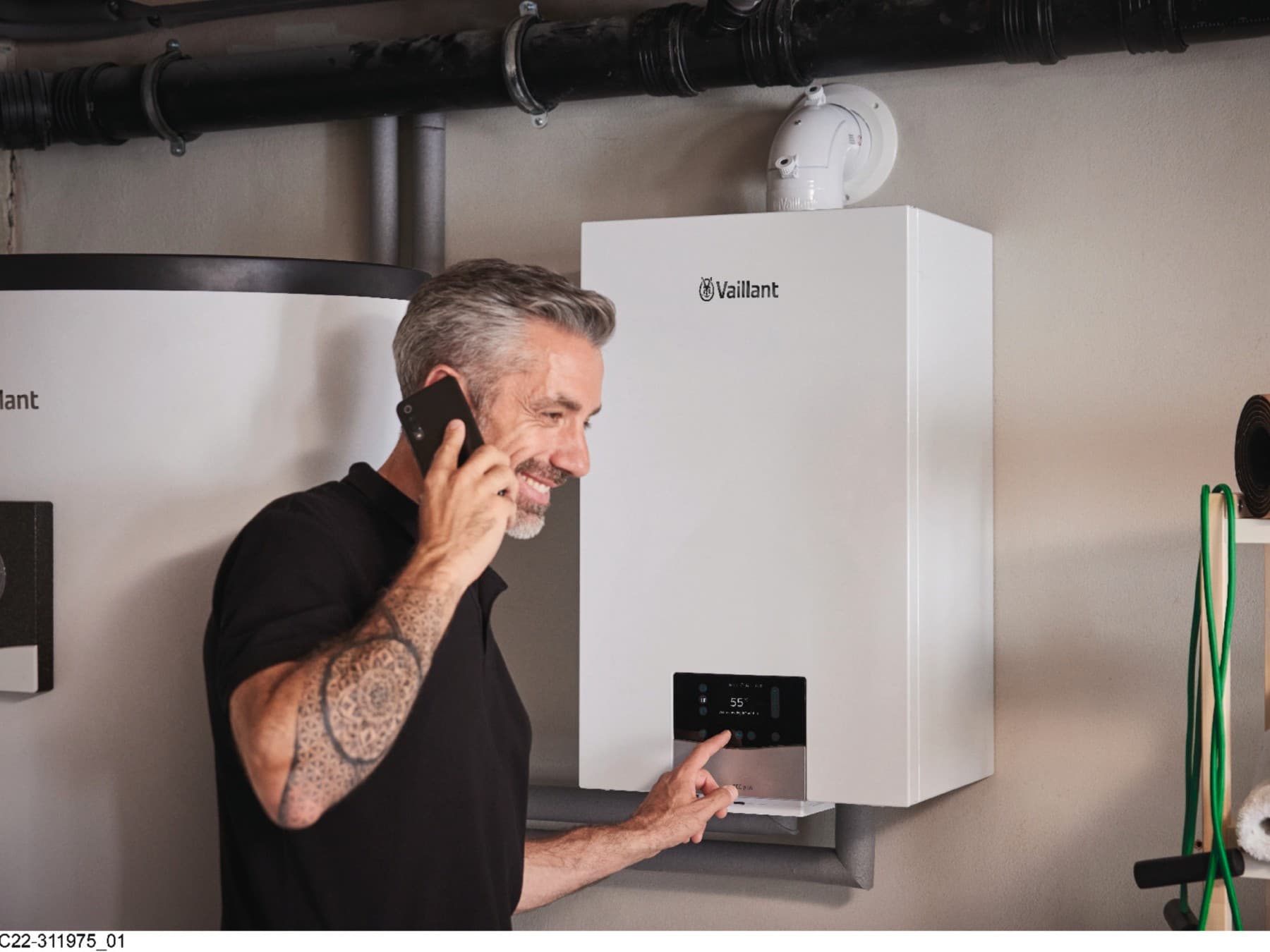
With a regular maintenance, your heating system receives regular professional attention from our trained experts. The check-ups ensure your system remains perfectly tuned, operating reliably and at optimal efficiency levels. Like this you help prevent unexpected breakdowns, unwanted noises and extend the lifespan of your heating system.