Receive help from one of our partners
Find an installer nearby

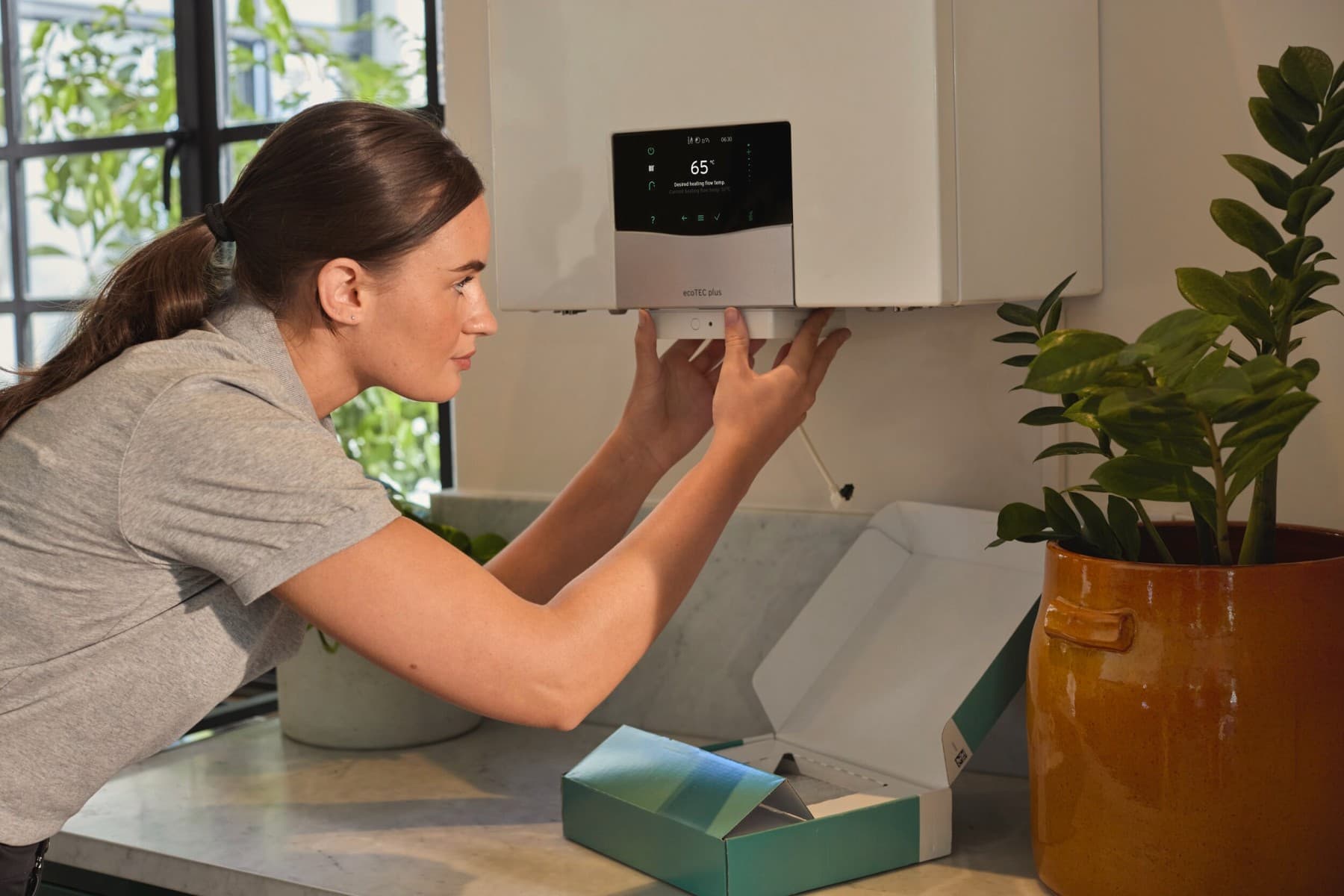
Boiler pressure measures the water pressure within your heating system, visible on the front of the boiler. Keeping the right boiler pressure is essential for efficient operation. Low pressure forces your system to work harder, while high pressure strains its components, potentially reducing its lifespan.
When the system is off, a normal reading should be between 1 and 1.5 bars. With the heating on, the pressure might rise slightly, but it should remain under two and a half bars. If it consistently reads higher, it's important to take action to lower it.
Persistent high pressure might indicate a deeper issue, such as a faulty pressure relief valve or a problem with the expansion vessel. These components are vital for managing your boiler's pressure effectively. Only a qualified Vaillant partner has the expertise to safely inspect, diagnose, and repair these parts. For your safety, it's essential not to attempt these repairs yourself.
High boiler pressure often results from overfilling. This happens if too much water enters the system or if the filling loop valve is left slightly open after topping up. Make sure that this valve is tightly closed after refilling.
The pressure relief valve is meant to release extra pressure from the system. If this valve is clogged or damaged, it will not function correctly, and pressure can build up. A leaking pressure relief valve may also be a sign to replace it.
The expansion vessel absorbs extra pressure from water as it heats. If the vessel loses air or has a fault, the boiler struggles to regulate pressure, leading to higher readings. Problems with the expansion vessel usually need professional support.
Over time, sediment and debris can accumulate in your boiler, radiators, or pipes. This restricts water flow and can cause pressure to rise unevenly.
Regularly checking your boiler’s pressure lets you catch problems early. Monitoring pressure changes can help you address small issues before they lead to more significant ones.
When the boiler is switched off, the pressure should be between 1 and 1.5 bars. When running, the reading may increase, but should stay below 2.5 bars.
During the service, your Vaillant-approved installer will thoroughly examine the pressure relief valve, expansion vessel, and other critical components. This ensures each part functions perfectly, supporting the long-term durability and reliability of your heating system.
Catching small issues early can save you time and money. A routine check-up allows your technician to identify and address any emerging problems before they escalate. This proactive approach minimises repair costs and extends the life of your boiler.
Regular maintenance includes the removal of any sediment and debris that may have accumulated in your system. This cleaning process is essential in maintaining optimal performance and efficiency, preventing any future complications that might affect your boiler's operation.