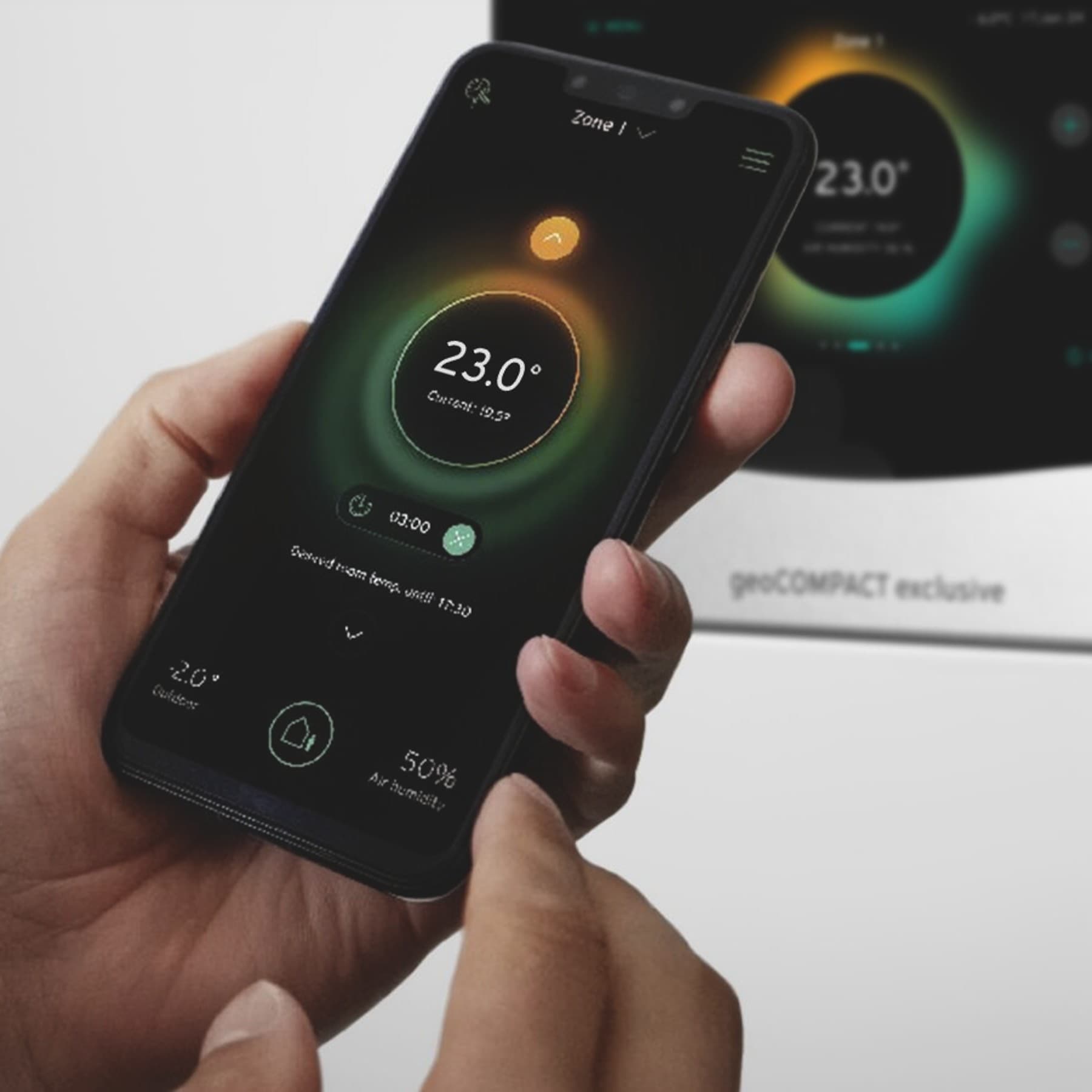
Energy sources: fossil fuels and renewable energies

Good to know
What are energy sources?
Everyone has heard of energy sources, but the exact description is not so easy. In the strict sense, an energy carrier is a solid, liquid or gaseous substance whose chemical, regenerative or nuclear energy can be converted and utilised for consumers. In common parlance, however, the term energy carrier is watered down, as energy sources such as electricity or hydrogen are also referred to in this way. In this context, a distinction is therefore made between primary and secondary energy sources in order to clarify the distinction. Incidentally, energy sources also include solar thermal energy, geothermal energy, wind power and hydropower, which - in terms of many generations - are available almost indefinitely.
How does primary energy differ from secondary energy?
- Primary energy sources
- Secondary energy source
Primary energy sources include coal, natural gas, crude oil and biomass. While the first three are obtained by mining or extraction processes, biomass is anything that belongs to organic bodies - for example plants. Biomass in the form of wood pellets is used for heating.
Finite vs. renewable
Fossil fuels and renewable energy
Modern heating technology converts the energy from energy sources into heat for living and hot water. In the case of energy sources, a distinction is made between renewable and fossil energy sources (primary energy sources).
Fossil energy sources are generally known as fossil fuels. Natural gas or oil are available in limited quantities in our environment. In order to generate energy, these substances must be banished, which releases CO₂. It is therefore important to utilise the energy stored in fossil fuels as efficiently as possible in order to avoid unnecessary emissions and heating costs.
So-called regenerative or renewable energy from sources such as the sun, the environment or biomass is available almost indefinitely or is quickly renewed. In addition, the CO₂ balance is generally neutral when biomass is used, as only as much carbon dioxide is released as plants and trees have absorbed.
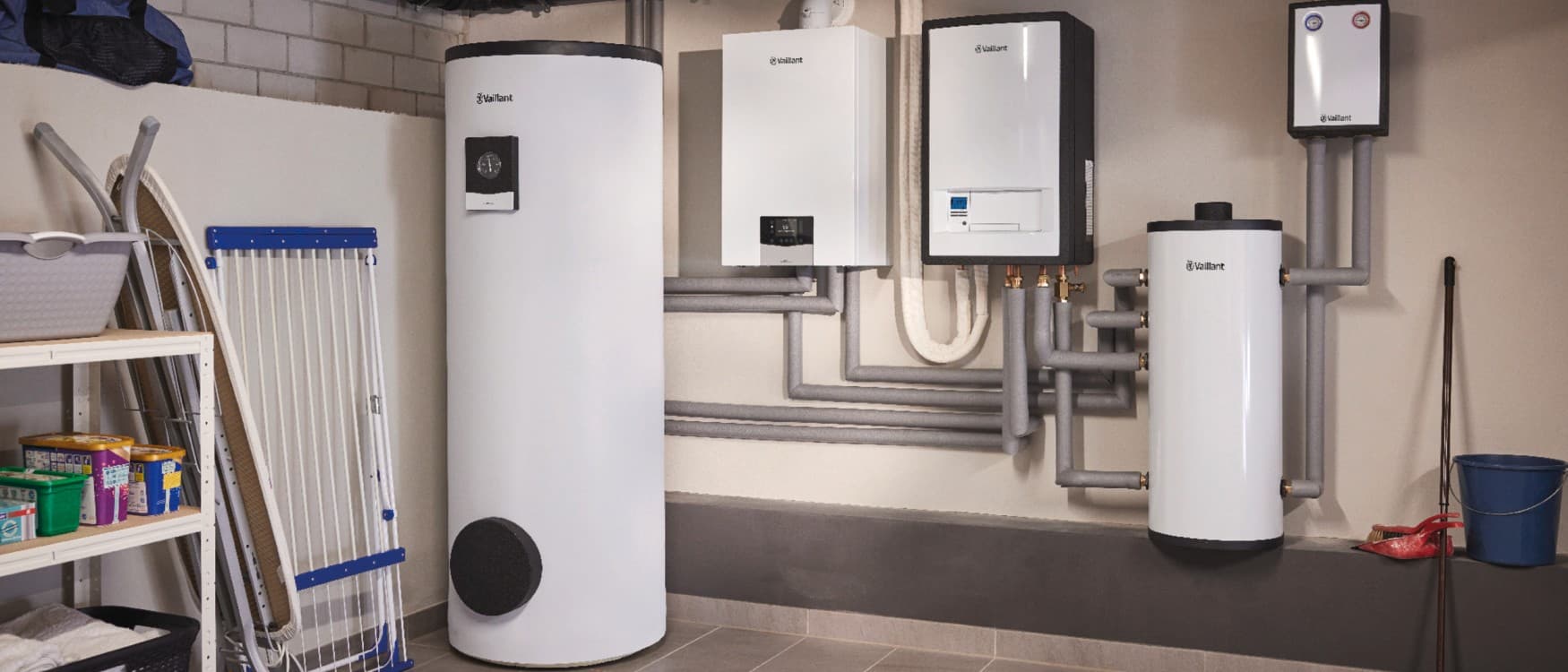
Overview of important energy carriers/sources
- Fossil fuels
- Renewable energies
The most important fossil fuels include
- Crude oil
- Natural gas
- Coal
- Methane hydrate
Did you know?
Around 40 per cent of Germany's gross electricity generation came from renewable energies in 2019 - and the trend is still rising. Just over 20 years ago, the share of renewable energy was only 4 per cent.
More sustainability, more quality of life
Selecting suitable energy sources
The energy sources you choose for your home depend on your plans, your individual circumstances and your wishes. If you are building a new house, the Building Energy Act (GEG) requires you to cover part of your heating energy requirements with renewable energy sources. You can also do this when modernising your heating system - and receive a subsidy for it.
The best choice for your home
Which energy source is suitable
Whether renewable energies or fossil fuels are suitable for you and your home for heating and hot water depends on various factors. These include, for example
- Age and condition of the house
- Existing heating system
- Options for replacement or modernisation