Hot water not working? Here’s how to fix it quick.

Boilers vs storage systems
First question to clear: which domestic hot water system do you have?
- Gas boiler for hot water
- Domestic hot water cylinder
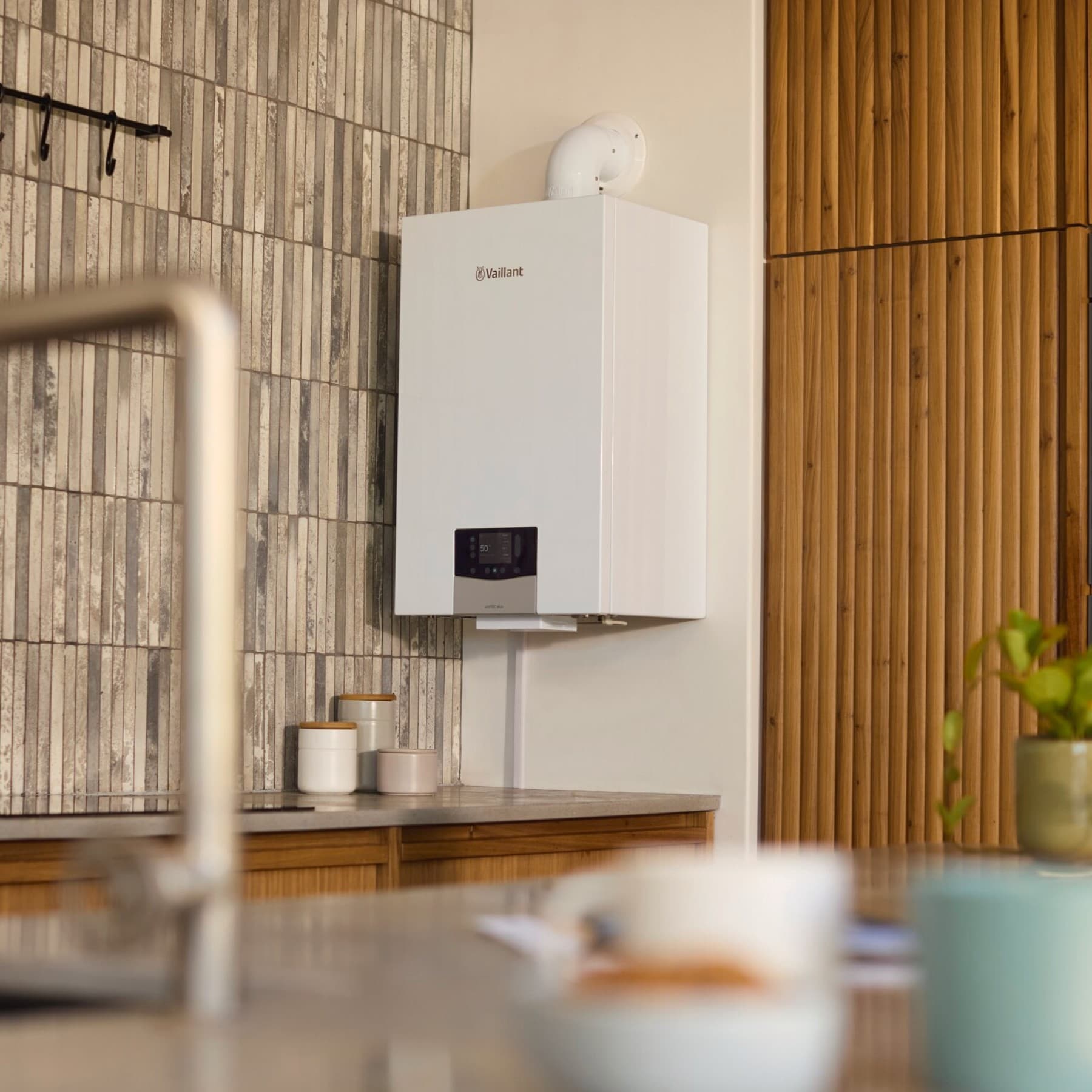
With a combi gas boiler, you get both heating and hot water from one system. Hot water is delivered instantly whenever you turn on the tap. Here, you only have one device.
Typical causes
The three main areas to look for issues to fix.
- A simple setting error.Details
This is usually the easiest cause to rule out. Check your appliance manual for the right settings and possible fault codes. Sometimes, a quick look at the control screen and a little adjustment is all it takes to fix the issue.
- Poor water circulation.Details
Sometimes the boiler works, but the water doesn’t circulate as it should in the system. This can cause hot water issues even if the boiler itself is running. Regular maintenance is key to keeping your hot water flowing reliably.
- An issue with the gas boiler.Details
The problem might lie with your heat generator or hot water tank. If your boiler displays an error code, check the manual to see what’s causing the issue and what steps to take next.
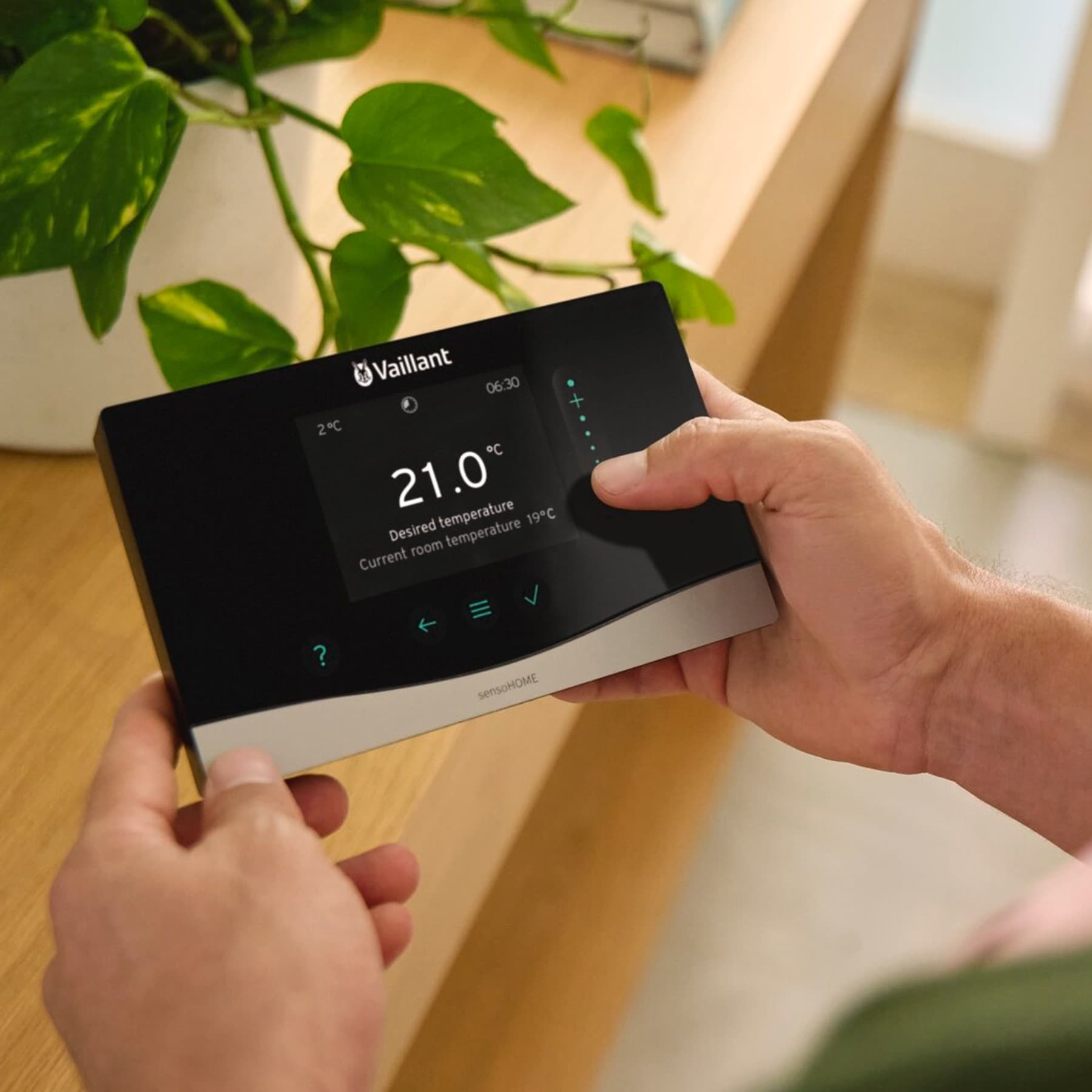
Check if the settings are correct.
Check your appliance manual for the right settings and to find any faults that might need fixing:
- The "standby" or "frost-free" mode is engaged: This deactivates the boiler. In this case, the heating system is also switched off
- The set temperature has been accidentally reduced: It is generally recommended to set it between 50 and 55°C, an ideal range to prevent the development of legionella bacteria.
- Incorrect programming: This can stop your hot water from working when you need it. The boiler’s internal clock might be out of sync, especially after a recent time change.
Review the water circulation.
- Low water pressure.
A leak in the circuit can lower pressure. If it drops too much, the boiler shuts off to protect the system. We have a detailed guide for low water pressure, which tells you how to tackle it yourself.
- Blocked pipes.
Over time, pipes can clog or fill with air bubbles, which slows water flow. The condensate pipe can also freeze in cold weather. If these issues get worse, the boiler may stop, leading to loss of heating and hot water.
- Faulty circulator.
This is the pump that triggers the circulation of water in the circuit. If it jams, the water is no longer distributed correctly.
- Malfunctioning bypass valve.
This device distributes the liquid heated by the boiler between the heating system and the DHW circuit. If the water distribution is poor, you risk a cold shower.
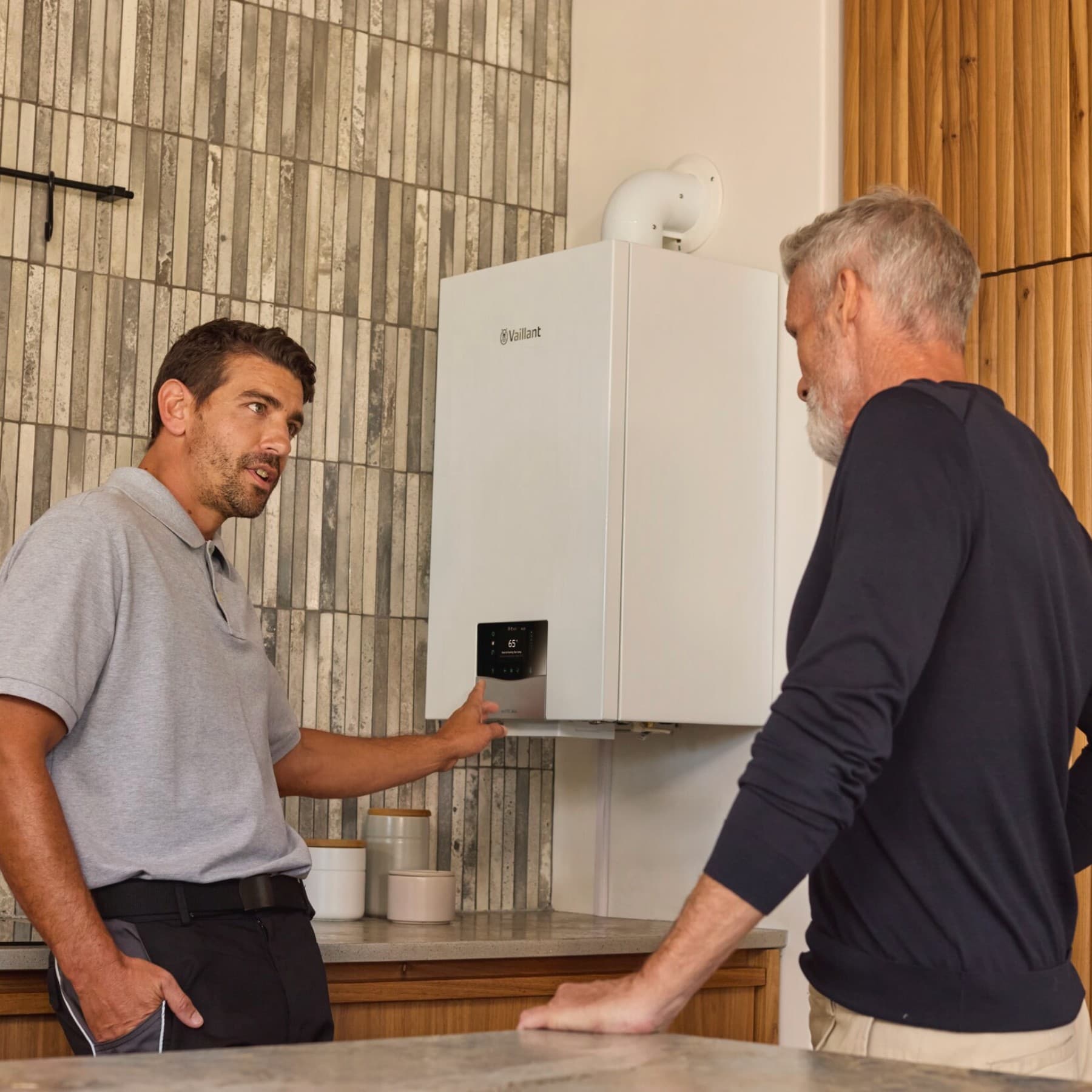
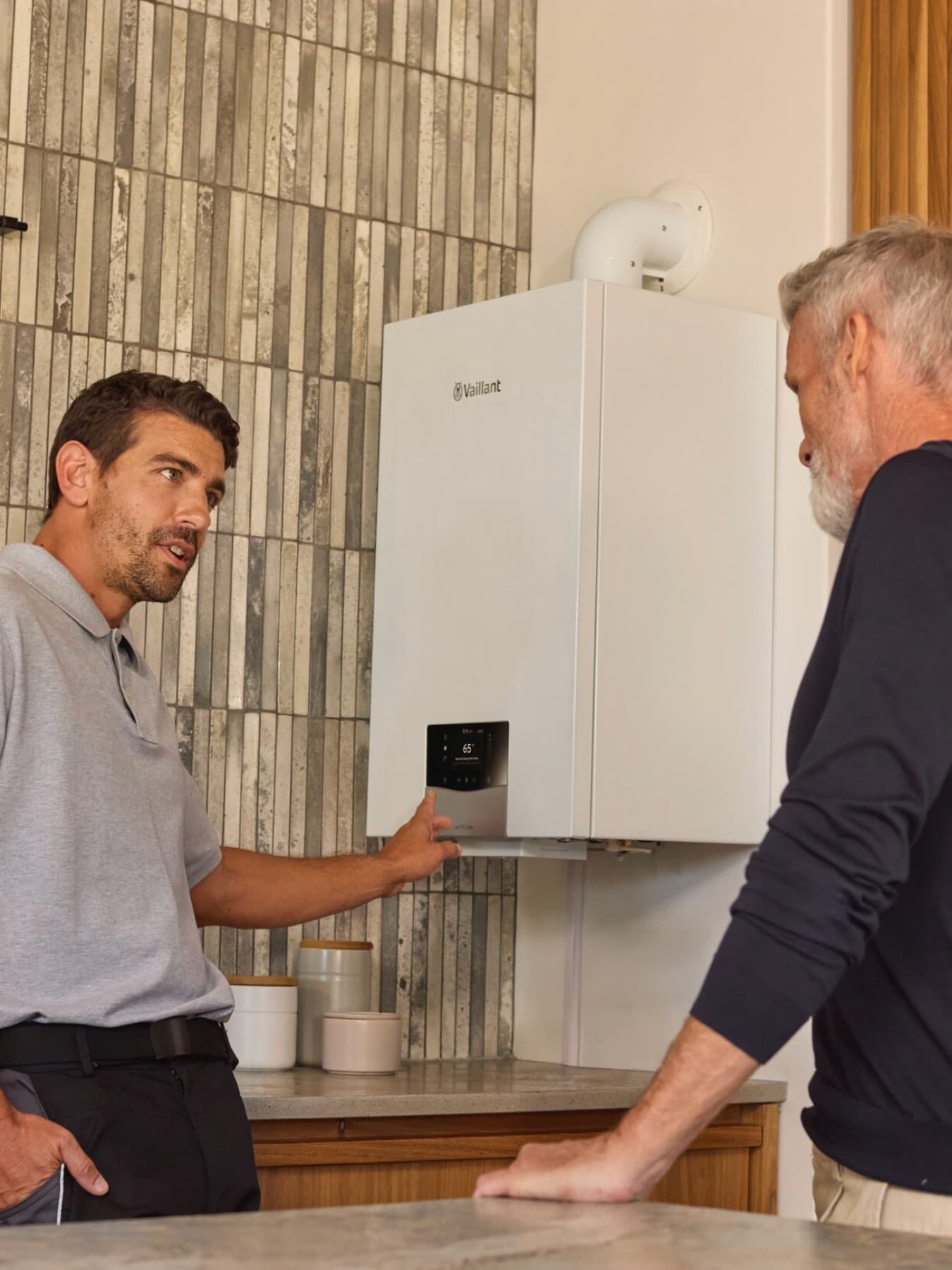
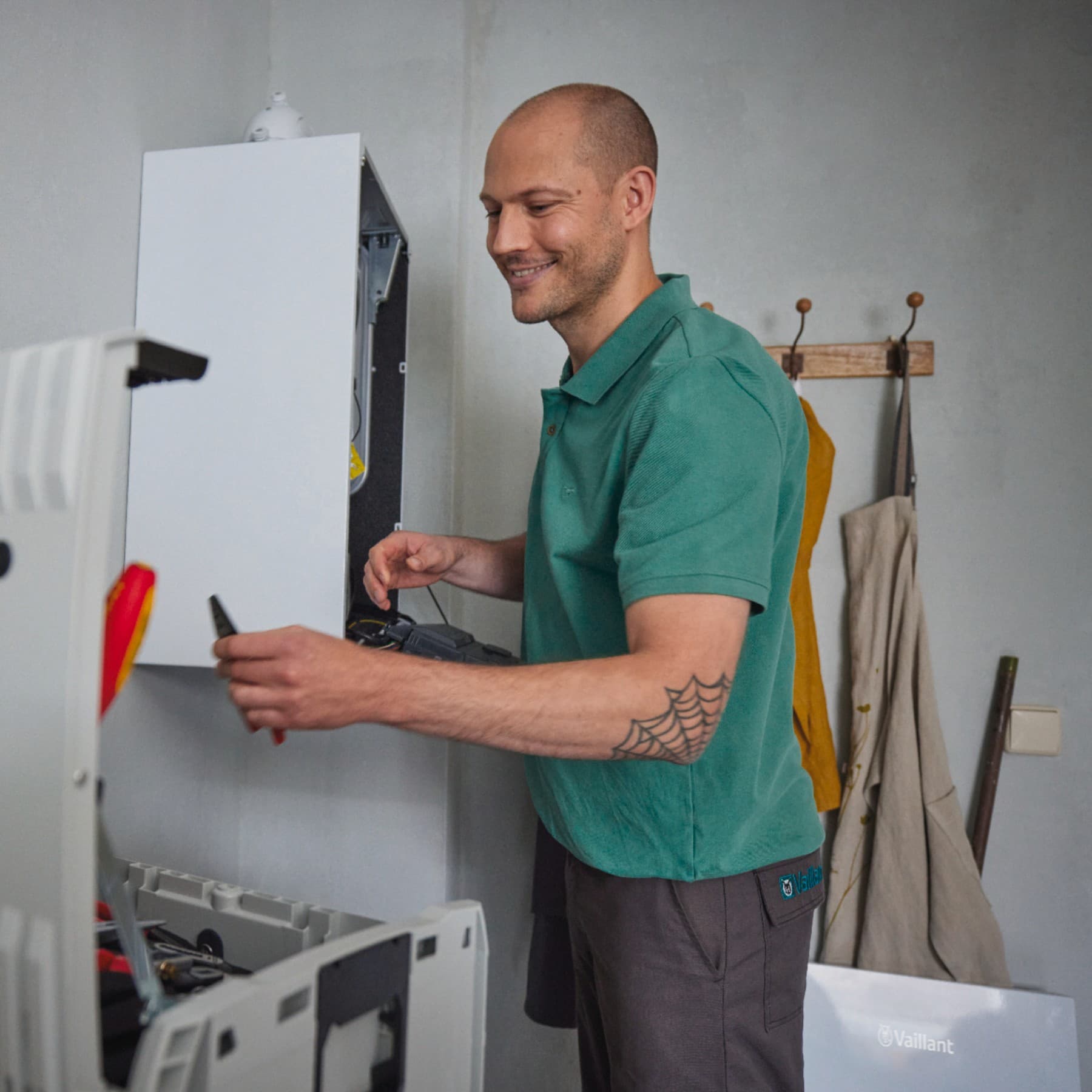
Take a look at your boiler or hot water cylinder.
In some rare cases, the issue of no hot water lies in a fault on the boiler's or cylinder's side. A few things can be checked here:
- Power supply: The boiler needs water, gas, and electricity. Check if there is a power cut and restore it yourself.
- Safety shutdown: Sometimes the boiler detects a fault and shuts itself down. Simply restart the boiler to return to normal operation. You can do this yourself.
- Ignition fault: If the burner's supply is poor, it won’t ignite. Older boilers need a lit pilot light. An expert's job!
- Temperature sensor fault: This sensor measures water temperature and tells the boiler to heat up. If the sensor stops working, the boiler won’t get the signal. Also an expert's job!
- Safety group malfunction: This valve controls pressure in the hot water tank. The safety group can be scaled or leaking. Let an expert clean it.
- Air or limescale in the hot water tank: The presence of air or limescale reduces the efficiency of the boiler. The water does not heat properly, and the appliance consumes more than necessary. Call an expert.
Annual boiler service
Regular check-ups are the key to boiler longevity.
- Crucial parts check.
Rely on your Vaillant-approved installer to thoroughly inspect every essential component, such as the pressure relief valve and expansion vessel. This ensures seamless operation, boosting the durability and reliability of your heating system for years to come.
- Early detection of issues.
Spotting minor issues early can save you both time and money. Routine check-ups allow your technician to identify and address potential problems before they escalate. This not only cuts down on repair costs but also extends the lifespan of your boiler.
- Blockage prevention.
Regular maintenance includes removing sediment and debris that may accumulate in your system. This cleaning is vital for sustaining peak performance and efficiency, preventing future issues that could affect your boiler's operation.