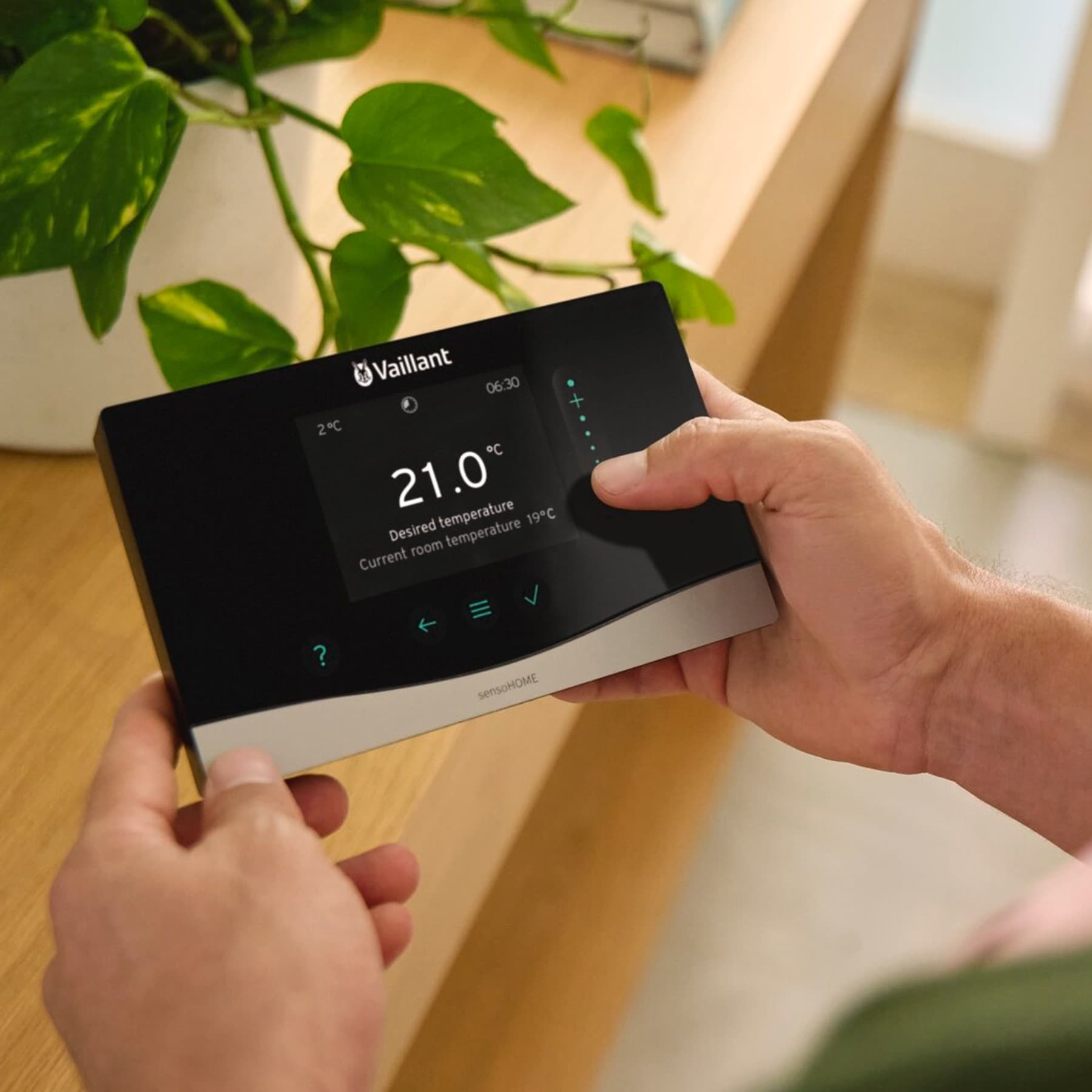
Enjoy consistent warmth with outdoor temperature sensors.

Advantages of outdoor temperature sensors
Ensuring your home feels just right, no matter the weather.
- Better energy efficiency.
Outdoor temperature sensors consider external conditions, maintaining consistent warmth without unnecessary heating. This allows your heating system to operate in the most energy-efficient mode.
- Consistent temperature.
Outdoor temperature sensors maintain a consistent temperature throughout your home, eliminating the need for constant thermostat adjustments. Enjoy a comfortable environment all day long without temperature fluctuations.
- Reduced heating costs.
With an outdoor temperature sensor, your heating system operates only as much as necessary, preventing overheating and saving money. This ensures steady heat while lowering energy bills.
- Prolonged heating system life.
By reducing the workload on your heating system, outdoor temperature sensors minimise wear and tear. This leads to lower maintenance costs and extends the lifespan of your system.
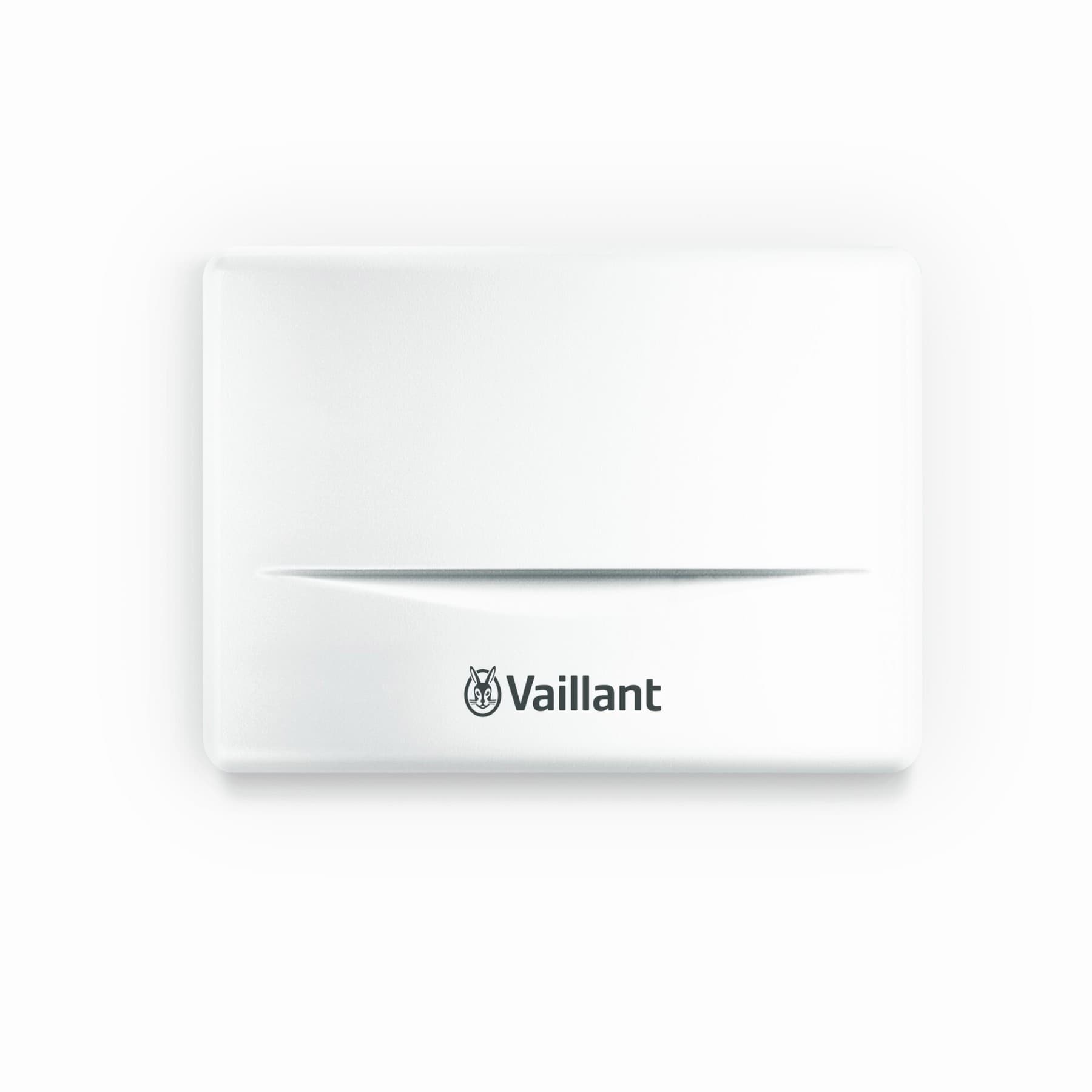
Functionality of an outdoor temperature sensor
How does an outdoor temperature sensor work?
Modern heating systems use various sensors to collect temperature data and adjust heating output. While many rely solely on a temperature sensor in a heated room, the outdoor temperature is a crucial factor often overlooked.
The outdoor temperature sensor is essential for weather-dependent heating control. It features a temperature-sensitive electronic component that changes resistance with outdoor temperature, transmitting these changes to the heating system to adjust the flow temperature. When outdoor temperatures drop, the flow temperature increases to compensate for heat losses through building walls. Conversely, the flow temperature decreases when outdoor temperatures rise.
The heating system regulation uses values from the outdoor sensor to set the flow temperature accurately. The heating curve defines the relationship between outdoor and flow temperatures, indicating how much the flow temperature should increase as outdoor temperatures drop. This curve can be tailored to a building's specific conditions. To ensure comfort and minimise energy costs, you or one of our installers can optimise the slope and height of the heating curve.
Tips on installation
Optimal positioning of the outdoor sensor.
- Let the sensor feel the weather.The outdoor sensor should not be mounted in sheltered areas like niches, balconies, or gutters, as these only partially expose the sensor to the weather.
- Avoid other heat sources.Caution is advised near chimneys or exhaust openings, as warm air can distort measurements. Mounting next to windows and doors is also inadvisable, as escaping warm air can influence the sensor.
- Place at the right height.The height of the outdoor sensor should reflect temperature conditions on all floors. Experts recommend placing the sensor at approximately 50 to 65 percent of the building height.
- Accurate readings for multi-family homes.For taller buildings with several storeys, the sensor should be installed between the second and third floors to ensure accurate temperature readings.

Leave nothing to chance with your sensor: get help from our experts.
If you have issues with your outdoor sensor trust in you local partner, who are always prepared to assist.They inspect your heating system and make necessary adjustments. A wireless outdoor sensor can be installed independently of cables and is often powered by a solar cell. By ensuring the correct positioning and installation of your outdoor sensor, the efficiency of your heating system can be significantly enhanced, leading to a more comfortable indoor climate and reduced energy costs.