The best time to switch off your heating – and keep your home comfortable.

Where comfort meets efficiency
What is your favorite room temperature?
The ideal room temperature usually sits between 18-21 degree celsius. This range keeps your home comfortable without unnecessary heating. When it’s about 15 degrees outside, you usually won’t need to switch on your heating.
However, you might prefer different temperatures in each room to match what feels best for you. Setting your thermostat anywhere between 18 and 21°C is cost-effective and helps reduce your environmental footprint.
Heating controls and thermostats help you save energy while you’re out, and make sure your home feels just right by the time you get back.
Different heating types work in different ways, and that can affect your energy use, costs, and maintenance. Understanding yours makes it easier to keep your home cosy and your bills down. Let's first take a look at the most common heating systems.
Understanding your home’s heating options
Gas and electric heating: how their benefits compare.
- Gas heating
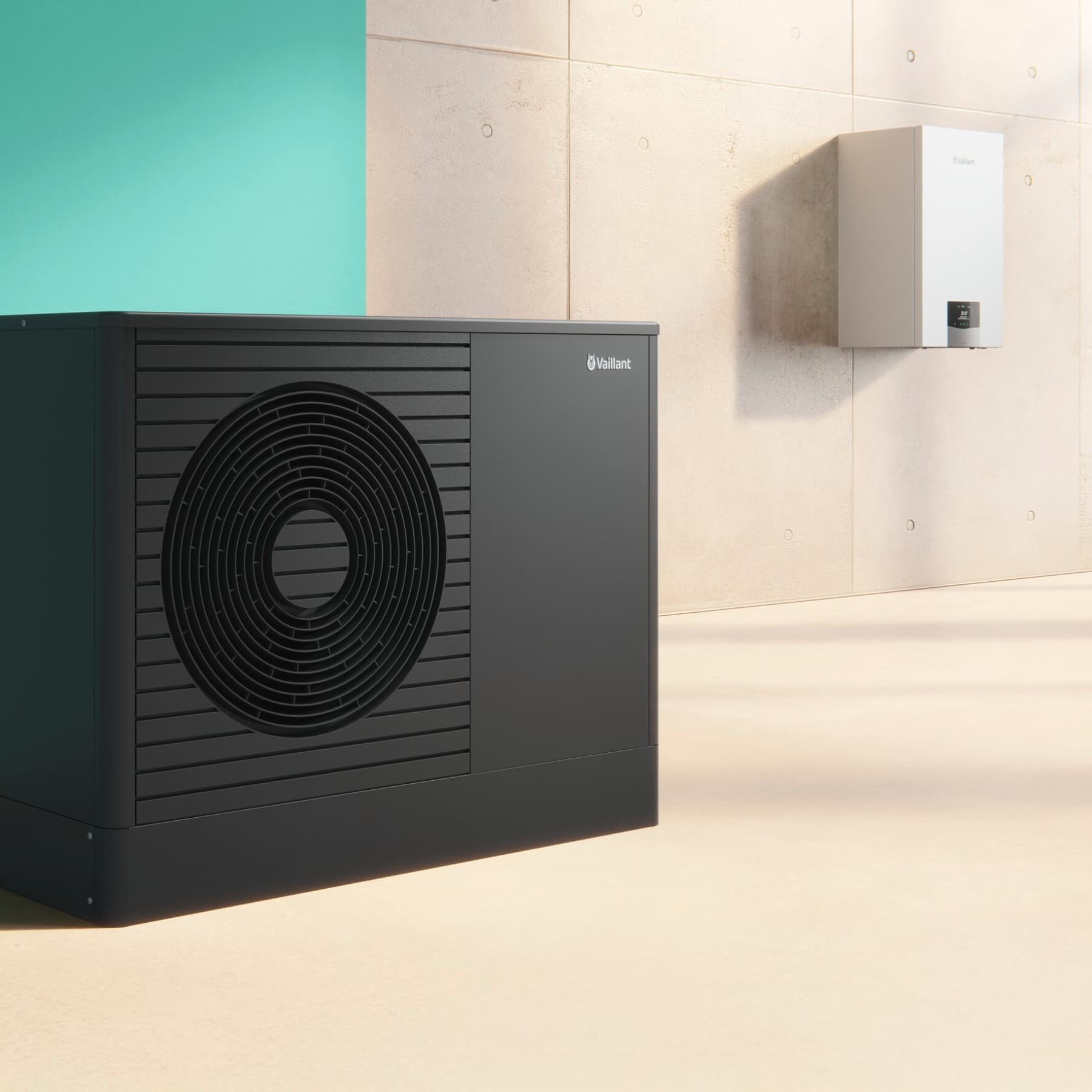
- Heat pump
Gas heating systems offer reliable and rapid warmth for your entire home. They are ideal for larger spaces and colder climates, delivering consistent heat with low running costs. Modern gas boilers are energy efficient and often work aligned with smart heating controls for added convenience and savings. The established gas supply network makes installation and maintenance straightforward.
Full System Solutions
Smart heating controls: comfort and efficiency, all year round.
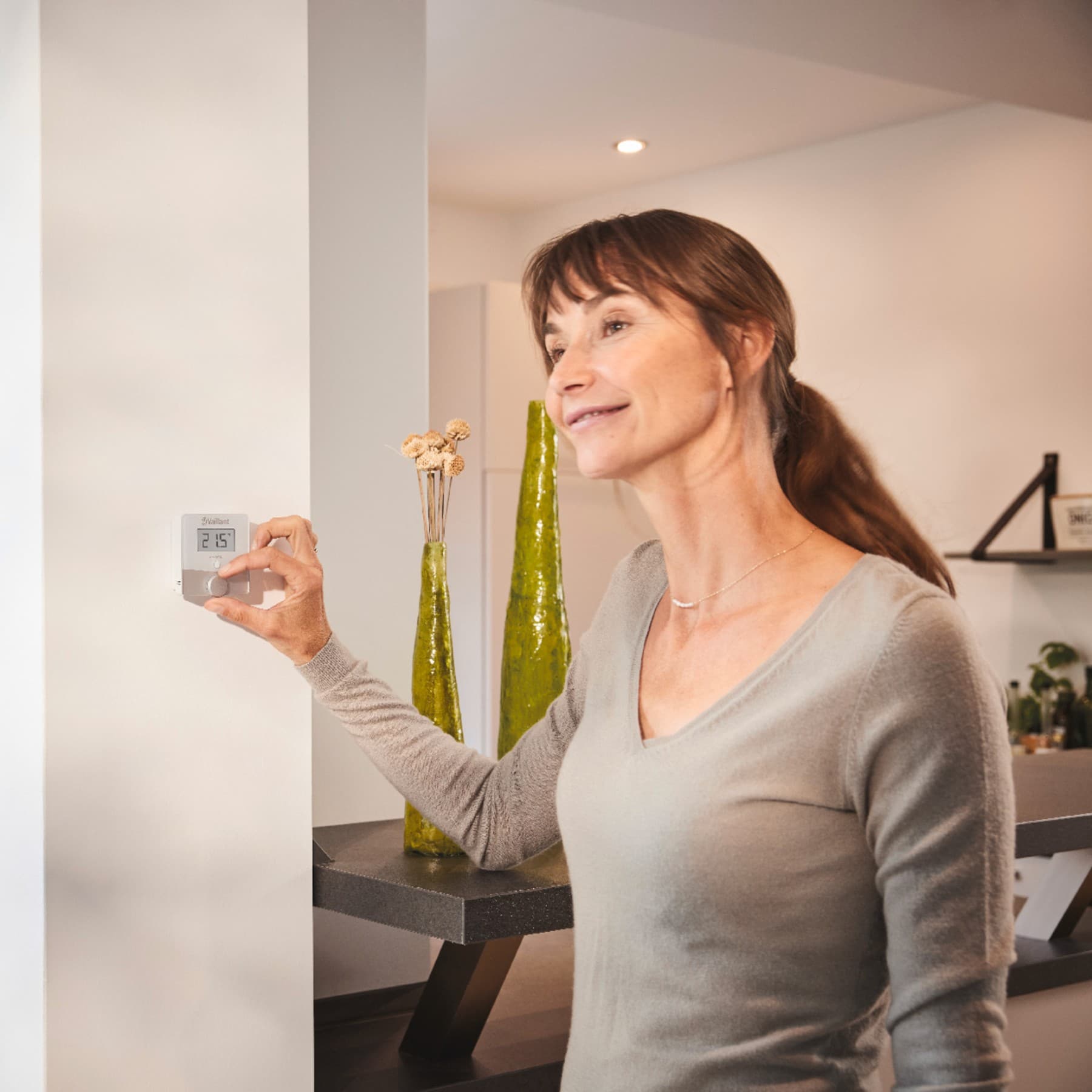
Heating controls and smart thermostats help keep your home comfortable and efficient, especially during seasonal changes. With smart controls, you can set heating schedules, change temperatures from your phone, and track your energy use in real-time.
It’s easy to turn off the heating when it’s warm or adjust settings to match your daily routine. Some smart thermostats even learn your habits, helping you save energy while keeping your home just the way you like it.
The advantages of using smart heating controls.
- Enhanced comfort.
Enjoy a perfectly cosy home with precise temperature control tailored to your needs.
- Heating on the go.
Adjust your heating from anywhere. Simply check whether your smart heating control is compatible with an app.
- Customisation.
Set different temperatures for different rooms, ensuring every space is just right.
- Energy savings.
Reduce your energy consumption and lower your bills by efficiently managing your heating.
Effortless comfort, whatever the weather
Make every season feel just right at home.
- Spring
- Summer
- Autumn
- Winter
During the spring, you may still need your heating on, particularly in the early part of the season when temperatures can fluctuate significantly and remain chilly, especially during the nights and early mornings. Even as the days gradually warm up, unexpected cold snaps can occur, making it essential to have a reliable central heating system to maintain a comfortable indoor environment.
Therefore, having your heating on during spring ensures that you can enjoy a cosy atmosphere while navigating the unstable weather changes that the season may bring.
How to manage your heating
Is it safe to turn my heating off completely?
- Heat pumps.
You don’t need to switch off your heat pump completely during the warmer seasons. Instead, set it to cooling mode to keep your home comfortable as temperatures rise. Heat pumps are designed to work efficiently all year, providing both heating and cooling when needed. Using the cooling function is often better than turning the system off and on, as it helps maintain a steady indoor climate and prevents unnecessary energy use. For ongoing efficiency and reliability, make sure your heat pump receives regular maintenance and is set correctly for the season.
- Gas boilers.
Turning off a gas boiler is not a problem technically, but it’s important to consider your home’s hot water needs beforehand. For combi boilers, switching off completely isn’t recommended, as you’ll need hot water for daily tasks. Combi boilers heat water instantly, while system and regular boilers store hot water in a cylinder. Always make sure your boiler is properly maintained and safely shut down. It’s best to weigh the advantages and drawbacks, taking your household’s needs and local climate into account before turning your boiler off.
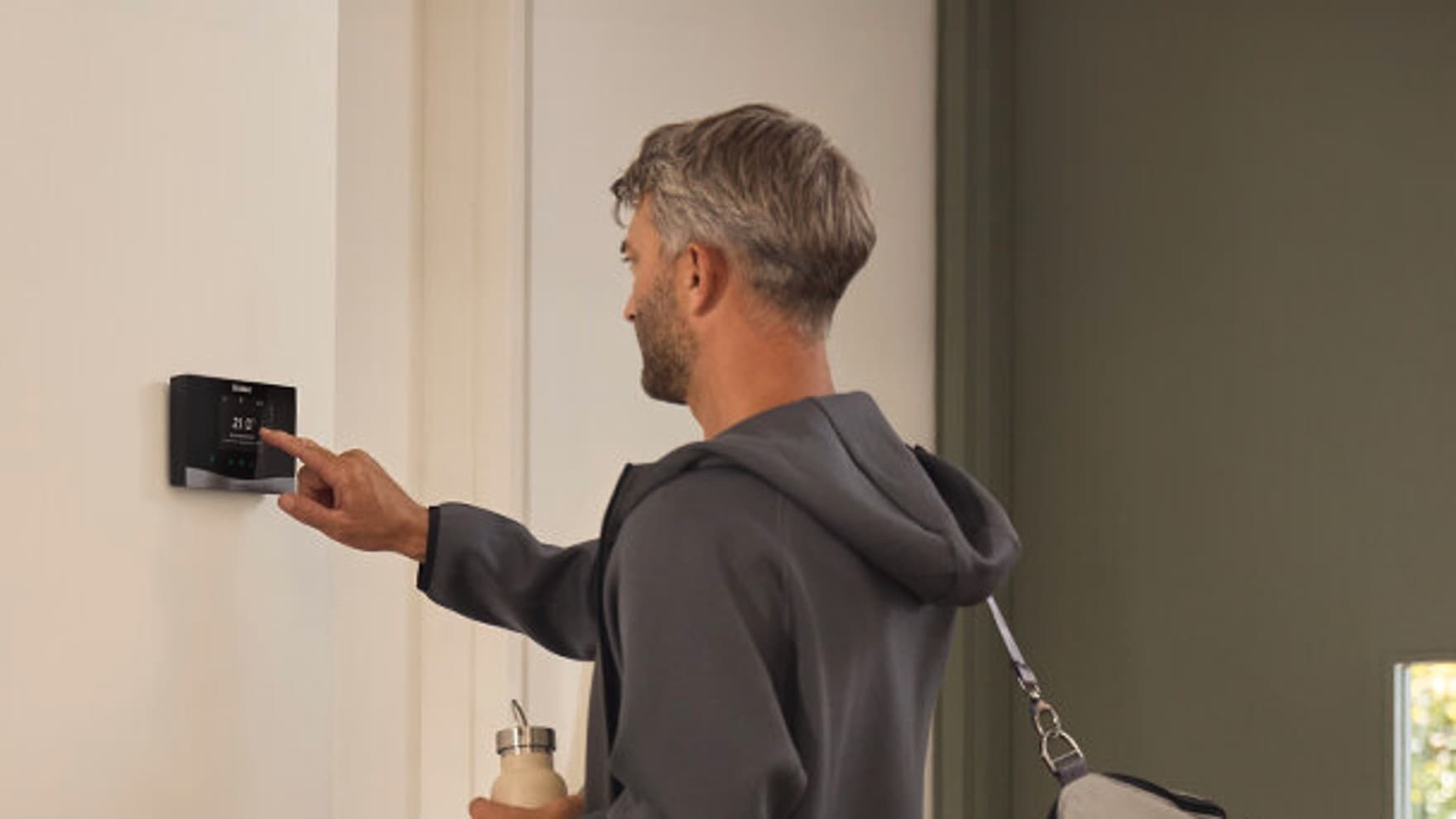
When should I turn my heating system back on?
When daytime temperatures consistently drop below 15°C, it's a good indication that your home needs a bit of extra warmth.
By keeping an eye on the weather, you can switch your boiler on just as the chill sets in, ensuring your home remains cosy and comfortable throughout the autumn and winter months.