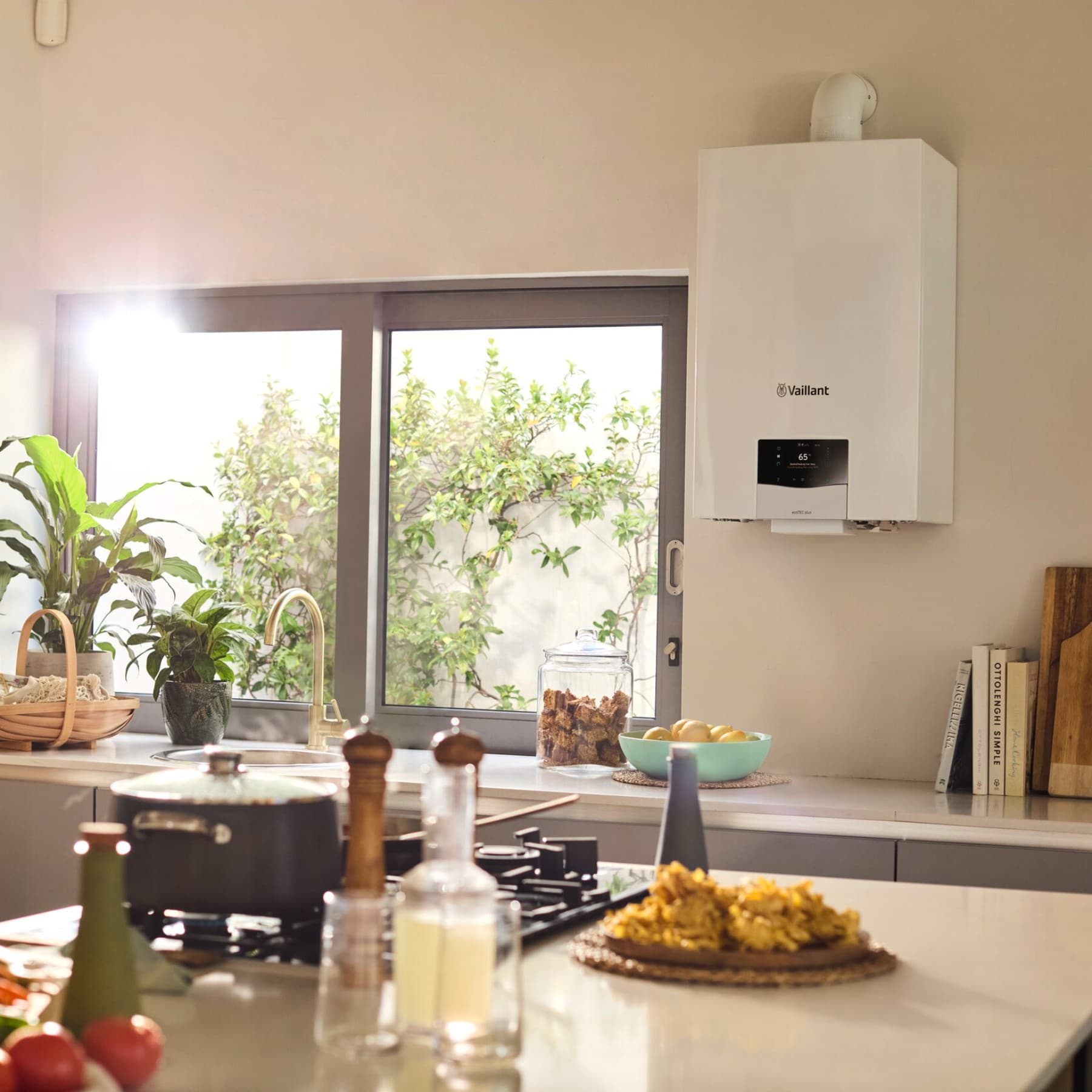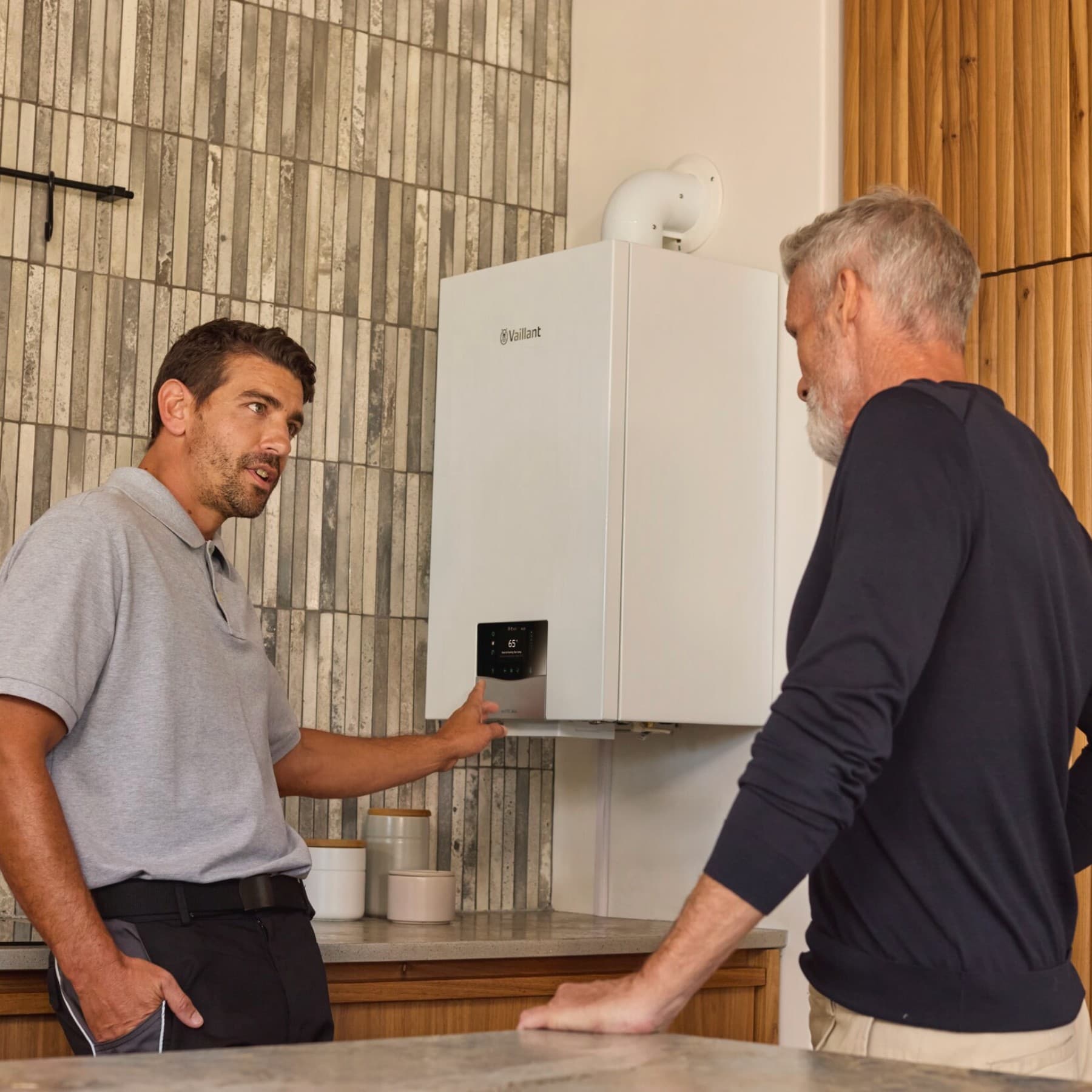
Your boiler won't ignite? Let's take a look at the common causes.

The most common boiler issues
Four reasons why your boiler isn't turning on.
Several factors could prevent your boiler from igniting properly. We will help you determine whether it's something you can address yourself or when it's time to call in the professionals. Let's explore the most common reasons.
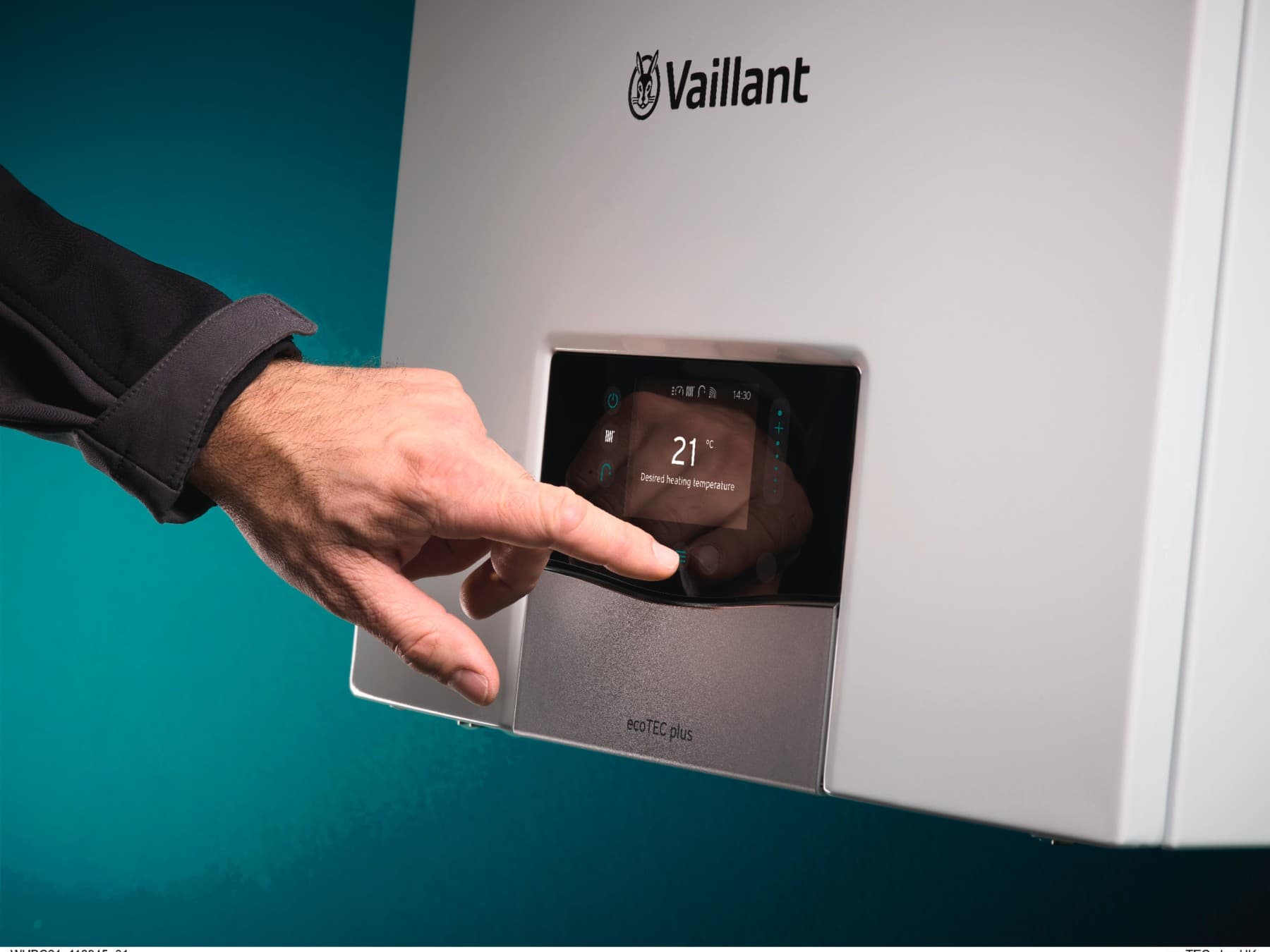
1. Your home has already reached the set temperature.
Before assuming there's a fault, check your thermostat. If your home has already reached or exceeded the temperature you've set, your boiler won't ignite as it's not required to produce more heat. Simply increase the thermostat setting above your current room temperature and see if your boiler responds.
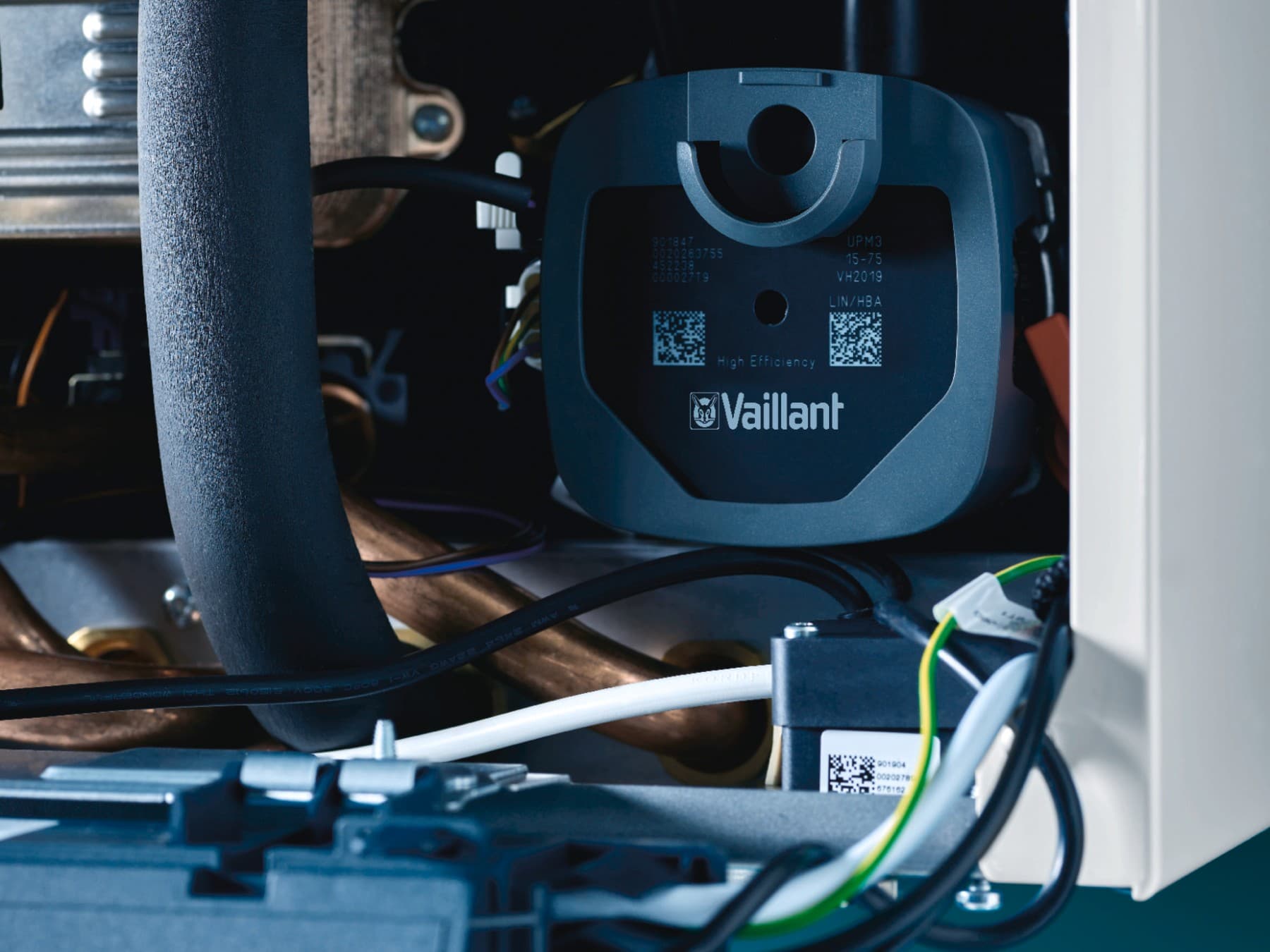
2. You have issues with your electrical supply.
Your boiler relies on electricity to operate, even if it's gas-powered. Here's what you can check for yourself:
Power outages: Take a moment to check if other electrical appliances and lights throughout your home are functioning properly. If they're not working, you might be experiencing a power cut, especially common during periods of extreme weather like heavy snowfall or strong winds. Did you know that even brief overnight power interruptions can affect your boiler's programming? These short outages can reset your boiler's time settings, disrupting its scheduled operation. Before exploring other potential issues, it's worth checking your control panel to ensure all settings are correct.
Tripped fuses: If a fuse has tripped in your consumer unit, this could be preventing your heating system from receiving the electricity it needs to function properly. Take a moment to locate your home's consumer unit and verify that all switches are in the 'on' position. While you're checking your electrical connections, don't forget to inspect the isolation switch positioned near your boiler – this dedicated power switch should also be turned on for your system to operate.
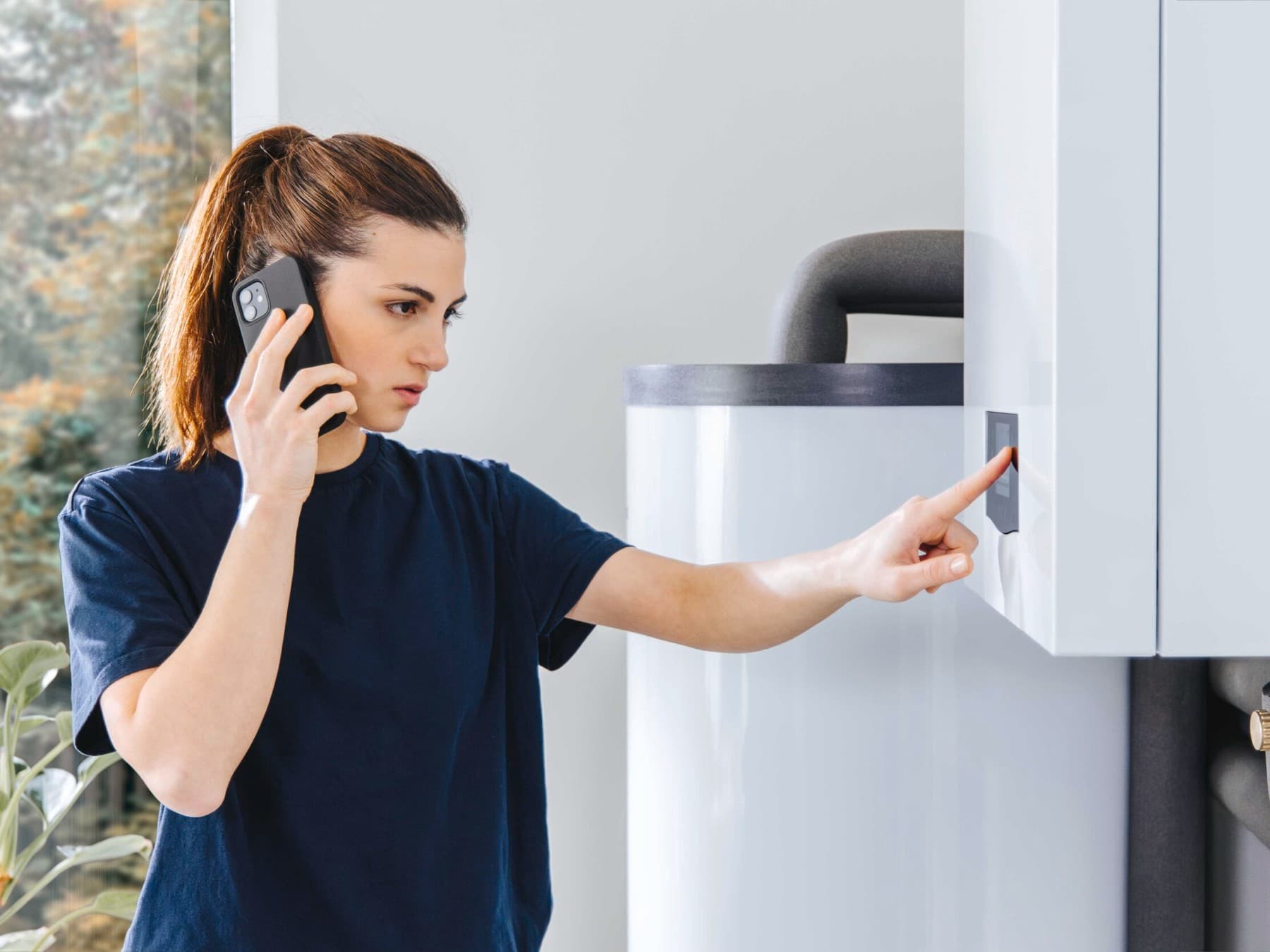
3. You have gas supply problems.
Your boiler needs adequate gas pressure to ignite efficiently and provide the sustainable heating your home deserves. When your boiler displays a fault code suggesting gas supply issues, a simple way to investigate is by checking your other gas appliances.
Try turning on your gas cooker or hob – if these are working normally, the issue likely lies within the boiler itself rather than your home's gas supply. This quick test helps narrow down the potential causes, bringing you one step closer to restoring your heating system and comfort.
4. Your boiler components are causing issues.
- No pilot light.
When your boiler fails to ignite, one of the most common issues in older systems is an extinguished pilot light. This small but essential flame can disappear when its jet becomes blocked – even the tiniest speck of debris can interrupt this crucial component's function. An installer can quickly clean or replace the jet, restoring your pilot light and getting your heating system back to its efficient operation.
- Blocked burner.
When your boiler operates, the natural combustion process creates carbon deposits that can gradually accumulate on your burner. Over time, these deposits may restrict proper gas flow, preventing your boiler from igniting efficiently and reducing your system's performance. The solution depends on your burner's overall condition. A professional assessment will determine whether a thorough cleaning can restore optimal function or if replacement is the more sustainable option.
- Faulty fan.
Your boiler's fan plays a crucial role in your heating system's safe operation, efficiently extracting combustion gases and directing them outside your home. This essential component is part of your boiler's safety system. When the fan develops a fault, your boiler activates its built-in safety features and prevents ignition. If you suspect the fan might be the cause, it's important to leave your system turned off and contact a qualified expert immediatly.
- Faulty gas valve.
Your boiler's gas valve serves as the gateway for fuel, precisely controlling the flow of gas to your burner. It ensures your system receives exactly the right amount of fuel needed for optimal performance. When a gas valve becomes faulty or develops a blockage, it can restrict proper gas flow, preventing your boiler from igniting. More serious is a valve that fails to close completely, which could allow gas to escape, creating a potentially serious safety concern for your home. If you suspect your gas valve isn't functioning correctly, it's essential to contact a qualified expert immediately.
- Frozen pipes.
During colder months, even a small amount of frozen water within your heating system's pipework can create a significant barrier. When ice forms in your condensate pipe, which carries condensation away from your boiler, it prevents your system from igniting safely. Thawing these pipes gently and thoroughly resolves this issue, allowing your boiler to resume its normal operation.
What you can check for yourself
Before you call an installer: your checklist.
- Check your thermostat settings.A simple way to check your thermostat is by adjusting the temperature setting upward by several degrees. Your boiler should respond by activating within a short time.
- Reset your boiler.Follow the manufacturer's instructions for a reset. Afterwards give your system a moment to restart before checking if heating has been restored. If your boiler doesn't reignite after two or three reset attempts, it's time to seek professional assistance.
- Check your boiler pressure.Your boiler operates within a specific pressure range, typically between 1 and 1.5 bar when the system is cold. You can check your system's pressure on the control panel. If you notice the pressure has dropped below 1 bar or risen above 2 bar, a simple adjustment may resolve your ignition issues.
- Check your pilot light.In older boiler systems, the pilot light serves as the ignition source. You can visually check if your pilot light is lit by following the viewing instructions in your manufacturer's guide. If you discover it's extinguished, many traditional boilers allow for safe relighting following the specific procedure outlined in your user manual.

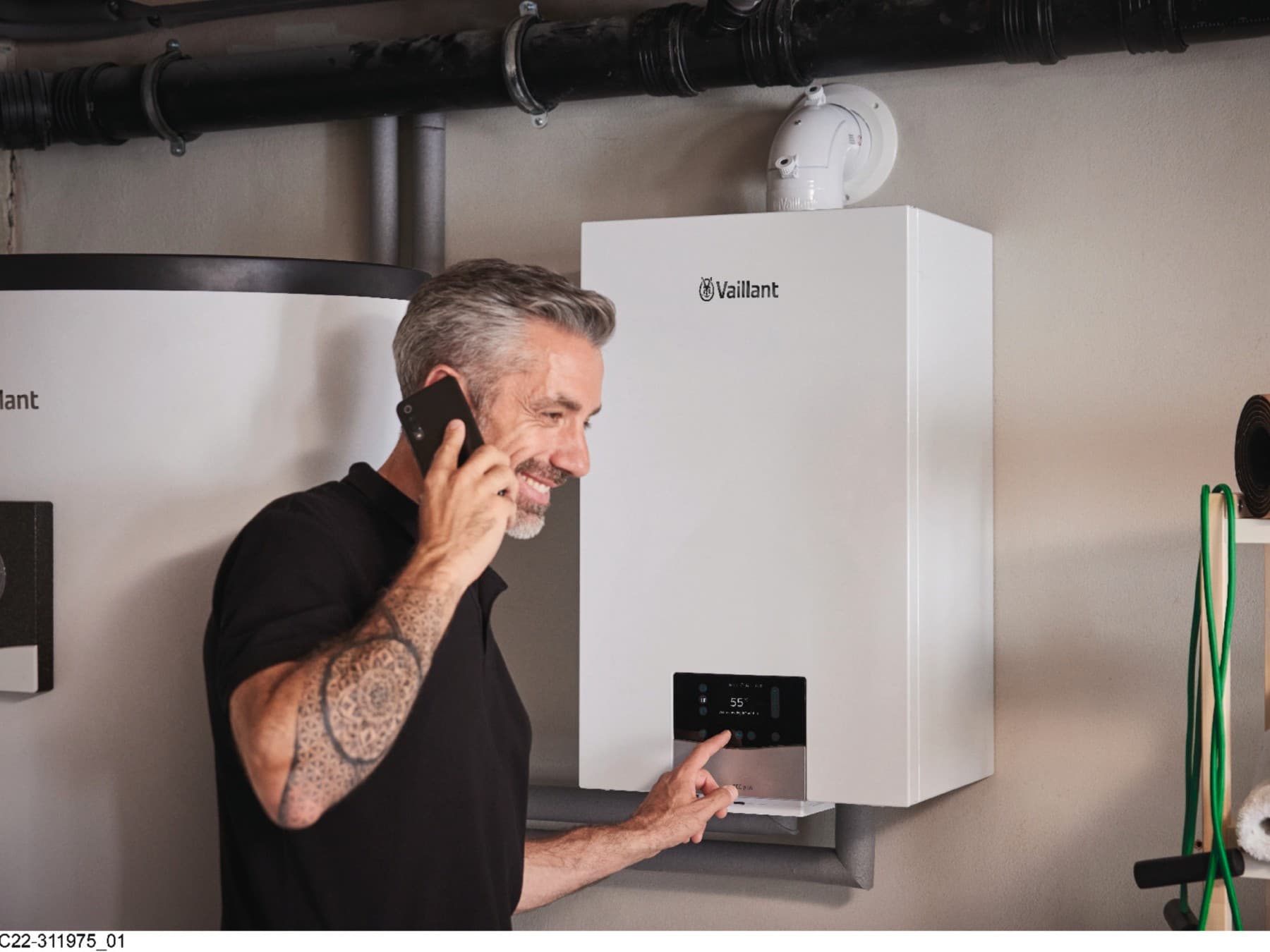
Regular maintenance is key
Prevent issues before they happen: with regular maintainance.
With regular maintenance, your heating system is serviced regularly by a qualified professional. Regular inspections ensure that your system is always perfectly adjusted, runs safely and operates at optimum efficiency. Servicing helps to prevent unexpected breakdowns and extend the service life of your heating system. Arrange a service appointment with your engineer in good time to prevent any faults from occurring in the first place.