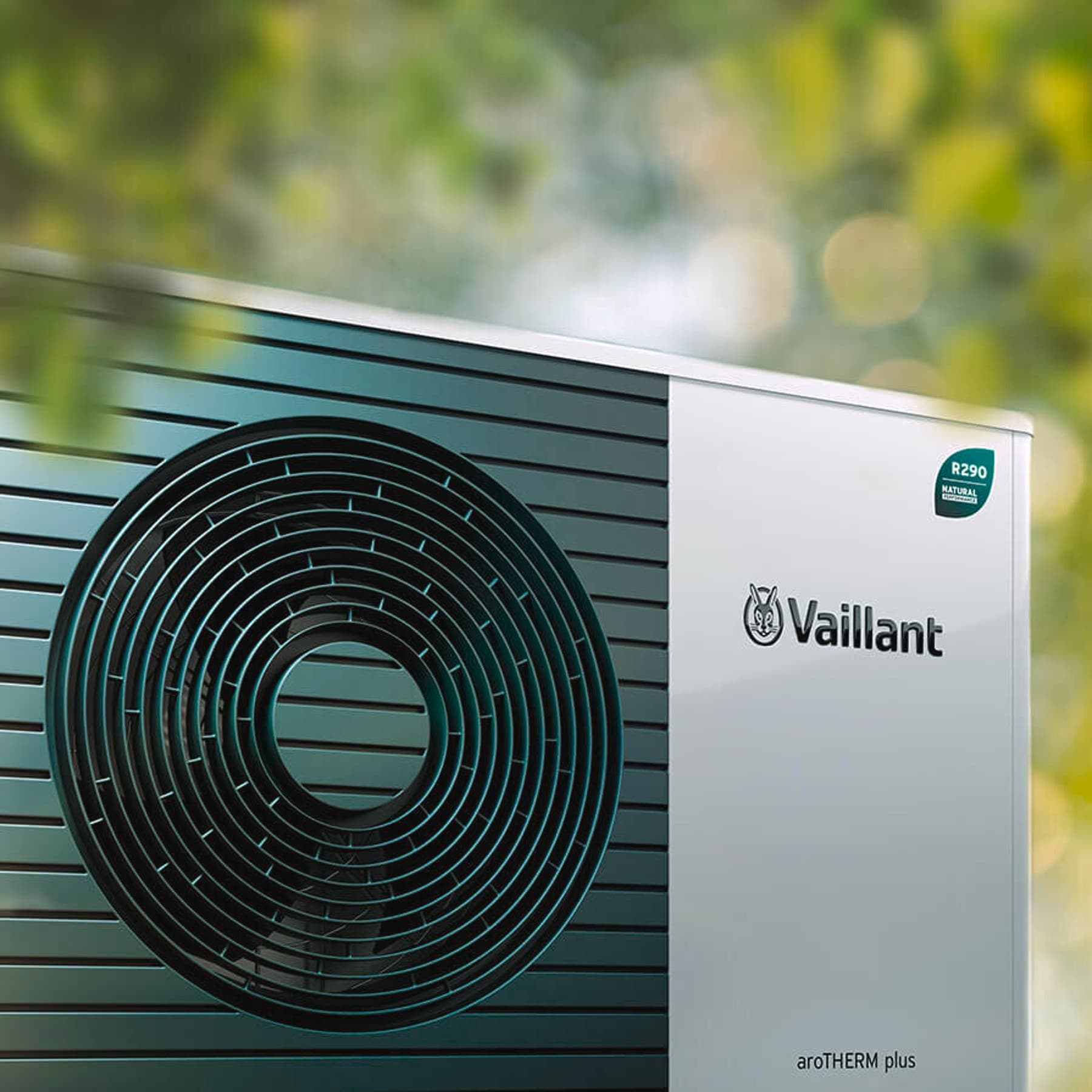
The heat beneath your feet: understanding district heating.

District heating explained
How district heating networks bring warmth to homes.
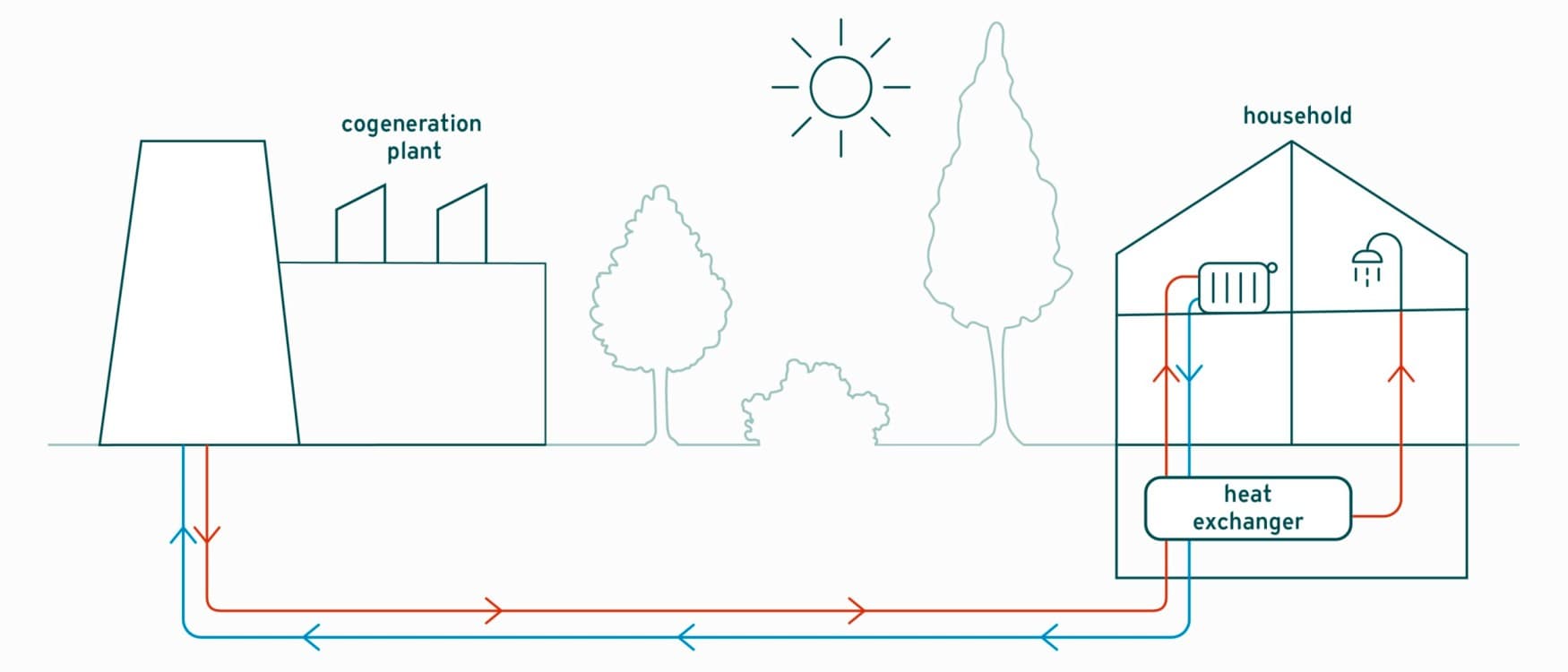
District heating works by generating heat centrally and distributing it via insulated pipes to multiple buildings. This system relies on diverse energy sources, including waste heat and renewables like biomass and geothermal energy. While district heating is an option, installing it can be complex and costly in areas without an existing connection, requiring roads to be dug up and large pipes to be laid.
The process begins at cogeneration plants, where heat is produced and transported through insulated pipes. Heat exchangers transfer this heat to individual buildings, aiming for consistent warmth. However, alternatives like Vaillant's heat pumps provide a more sustainable and self-sufficient solution, offering independence from single heat providers and simplifying the heating process for users.
Weighing the pros and cons of district heating
Is district heating right for your home?
- Eco-friendly aspirations.
District heating aims to reduce fossil fuel reliance and carbon emissions, aligning with climate goals. Yet, heat pumps offer a more sustainable path by harnessing renewable energy sources directly, ensuring greener heating solutions.
- Navigating efficiency trade-offs.
Producing heat centrally can boost efficiency, lowering energy consumption. Insulated pipes help minimise heat loss during distribution, ensuring warmth reaches your home. However, heat pumps provide efficient heating without the complexities of central systems.
- Balancing costs and control.
District heating involves shared costs but can lead to dependency on a single supplier. In contrast, heat pumps offer independence, freeing you from central system costs and maintenance, and allowing you to control your heating.
- Space-saving considerations.
While district heating removes boilers, freeing up some space, it necessitates installing large pipes to connect your home to the network. A heat transfer station is also required, adding complexity and maintenance needs that can offset the initial space savings.

Connecting district heating
The complexities of district heating installation.
The installation of a district heating system is a complex, multi-step process that begins with meticulous planning and culminates in the connection of your home to the network. This involves laying the house connection line from the central supply line, buried approximately one metre deep, which includes the supply, and return lines. This process may require opening up roads, parking lots, and gardens to accommodate the infrastructure.
Once the pipes are routed into the building and up to the transfer station, your installer connects your home's heating distribution system to the station. The supplier then activates the system, although you should anticipate a brief period without heating during this transition.
While district heating provides a structured approach to heating, it demands substantial infrastructure, which can be both complex and costly despite available subsidies and financial incentives. In contrast, heat pumps offer a self-sufficient and efficient alternative, streamlining the heating process and granting independence from central systems.


Alternatives to district heating
Beyond district heating: explore your options.
Although district heating is a viable option, especially if your home is already connected, there are other sustainable heating alternatives worth considering. Heat pumps stand out as an efficient choice, utilising ambient air, groundwater, or the earth to generate warmth. These systems can be further enhanced with renewable energy sources like solar panels or photovoltaic systems, creating a self-sufficient power supply.
Boosting your home's energy efficiency through insulation, energy-efficient windows, and smart thermostats can amplify the advantages of heat pumps. These improvements not only lower energy consumption but also elevate the overall comfort and value of your home.