Central heating

A central heating system is a collective heating system that heats all radiators in a building simultaneously. In most cases, it also supplies hot water in a separate heating circuit. Some central heating systems use district heating from an energy provider, others use local heating. When local central heating systems are used, a boiler or condensing boiler is installed in the boiler room. The primary fuels used are heating oil or natural gas.
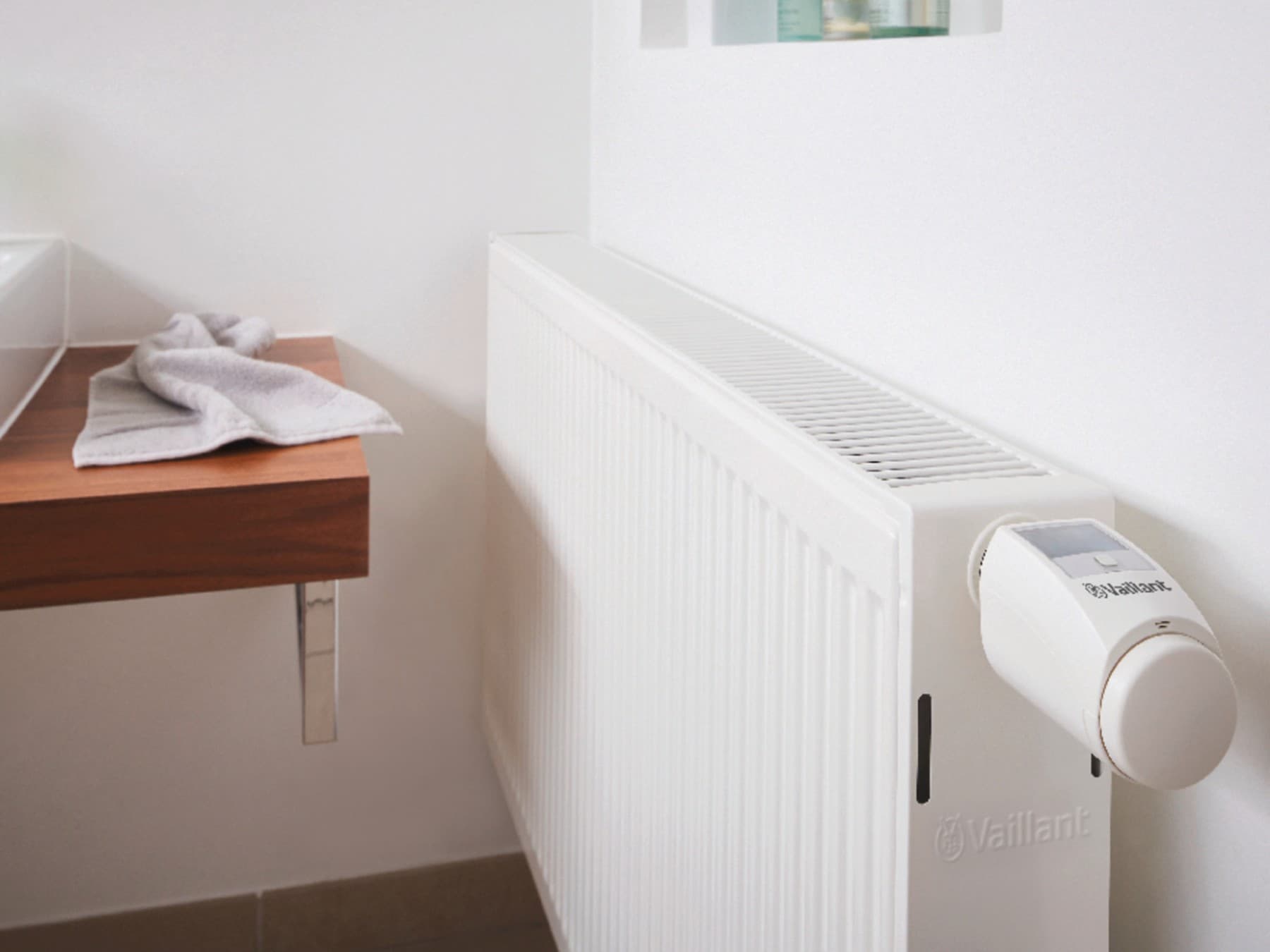
The heat produced by combustion is either fed directly to the heat exchanger, which uses it to heat the heating water, or is supplemented by the condensation heat of the gases produced, in the case of condensing boilers. Circulation pumps are used to circulate the heating water in the heating pipe system and supply each radiator with heat, which can then be regulated by thermostats located on the radiators. The cooled down heating water flows back to the boiler and the cycle is then complete.
Modern central heating systems can also be combined with alternative energy sources, such as solar thermal energy or heat pumps. Mini modular thermal power units as a source of energy for central heating can produce electricity in addition to heating and hot water through cogeneration.