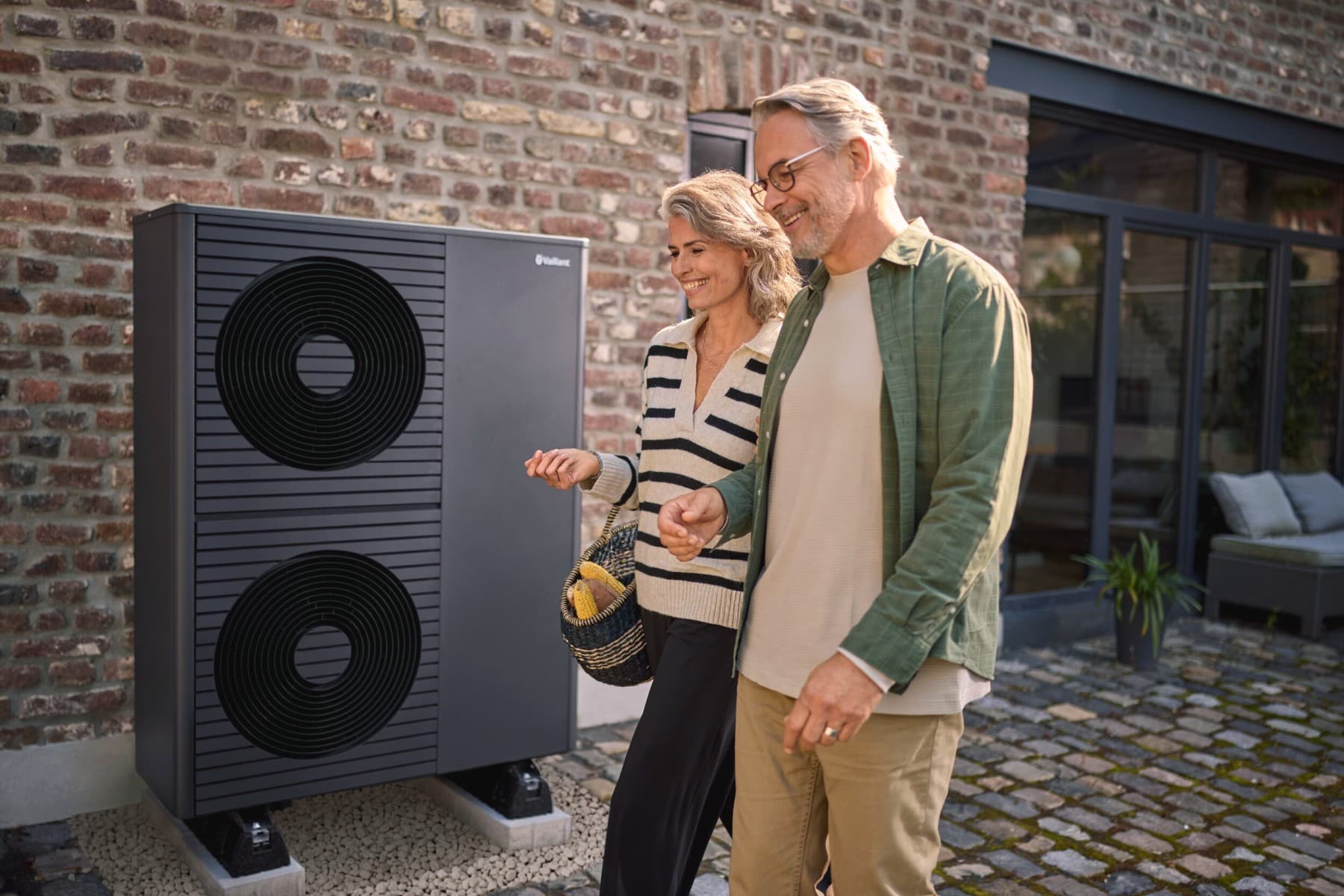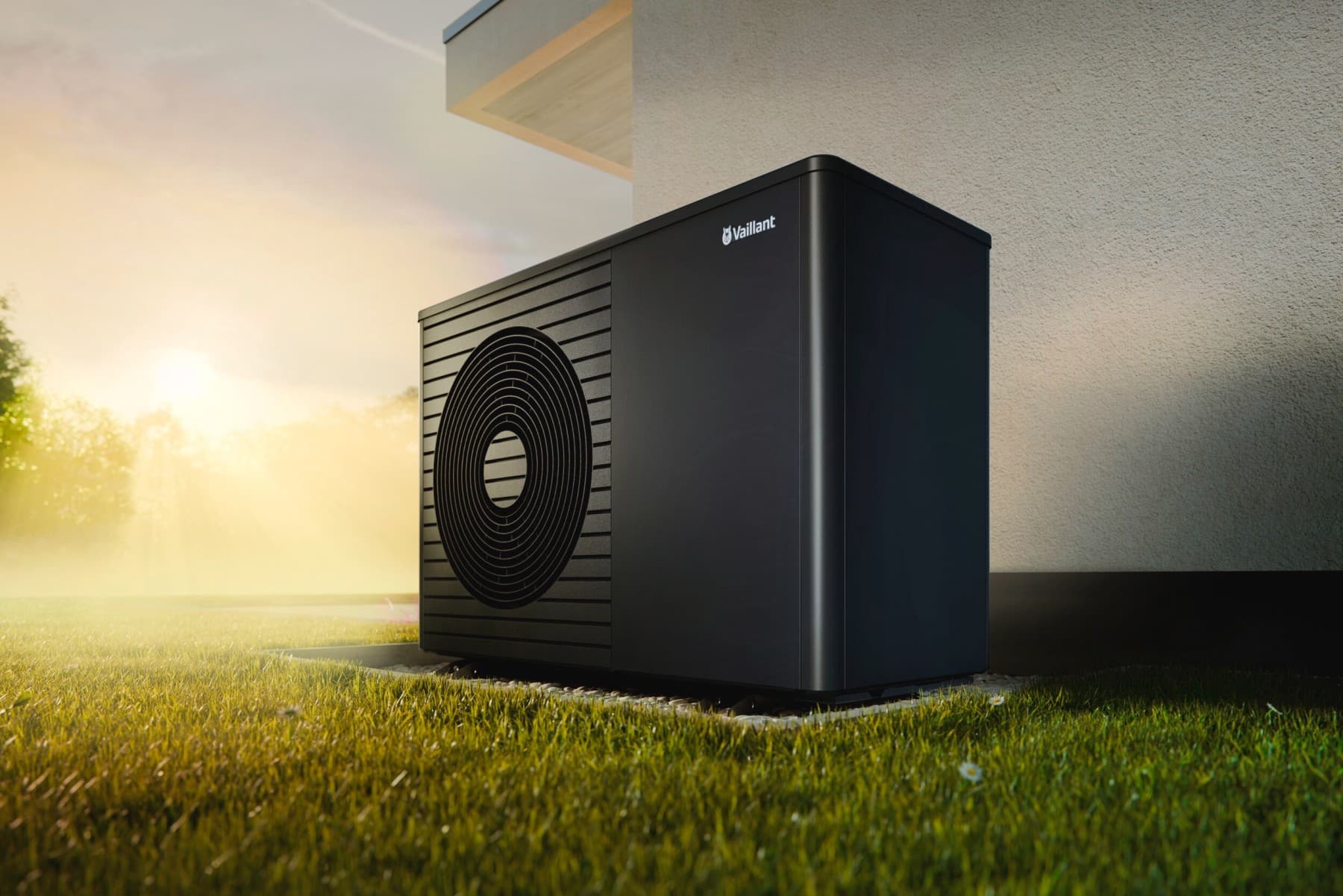
What is a monobloc heat pump?

Unlike heat pumps in split design, heat pumps with monobloc technology contain all key components and functions, including the refrigerant circuit, in one unit. The heat generated is then transferred via well-insulated pipes into your home’s heat storage and distribution system. Explore this page to understand the essentials of choosing a monobloc heat pump for a compact and easy-to-install sustainable heating solution.
Operating principle
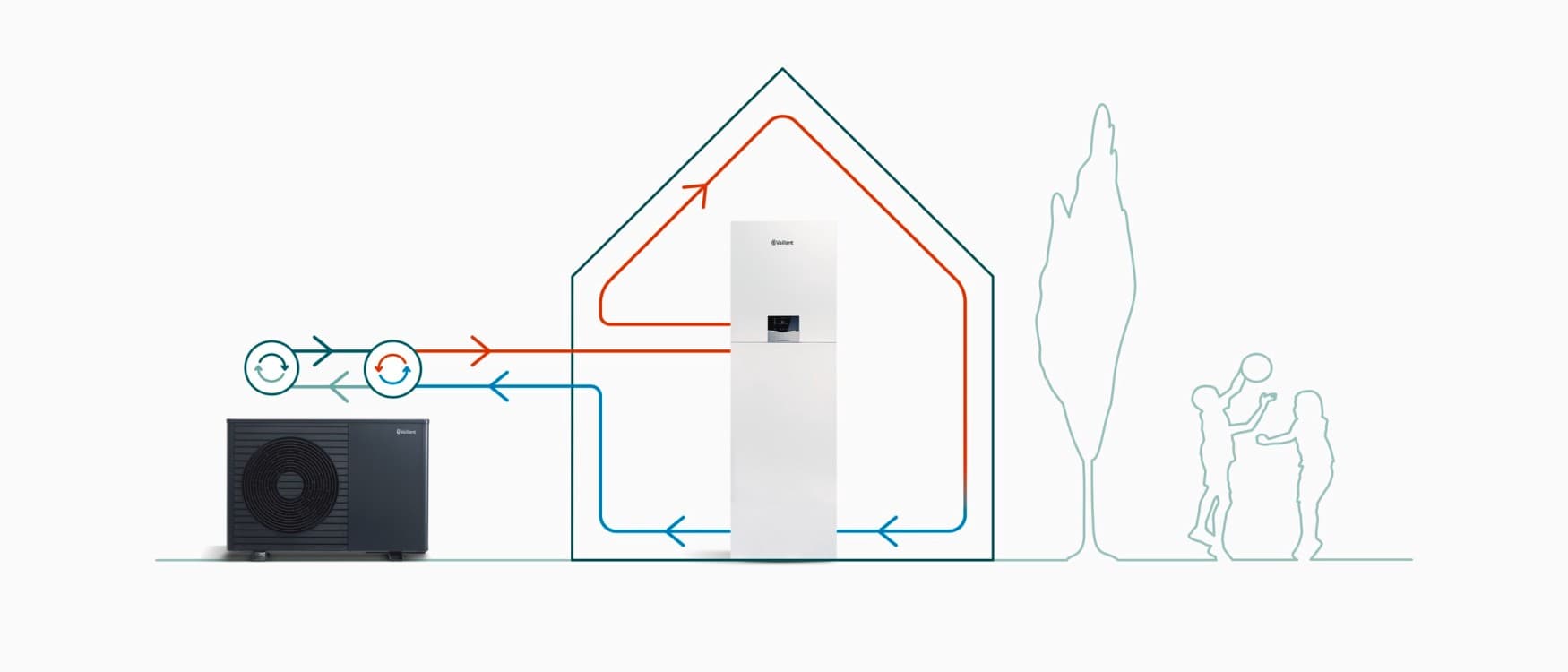
All parts in one unit - how a monobloc system works.
A monobloc heat pump integrates all essential components into a single unit, handling the entire heat generation process. This includes the evaporator, compressor, condenser, and expansion valve.
The system extracts heat from the outside air and transfers it to the water in your heating system. Inside the heat pump, the refrigerant absorbs energy from the outside air, causing it to evaporate into gas. The compressor then increases the pressure and therefore the temperature of the refrigerant gas. As it moves into the condensing heat exchanger, the gas transforms back into a liquid, releasing heat energy to the water circulating through the building's heating system, effectively providing warmth.
Advantages and disadvantages
Understanding the advantages of monobloc heat pumps.
- Reliable and compact system design.
Monobloc heat pumps feature an integrated system design, with all essential components housed in a single unit. This compact configuration reduces the risk of faults and therefore enhances reliability.
- Convenient installation process.
Due to their design, the installation process is smoother for your installer. Additionally, there is no need for a refrigerant certificate, which also helps reduce some complexities.
- Efficient use of space.
In many applications, there’s no need for an indoor unit, allowing you to maximize your available space. This applies to modernization projects, hybrid systems, or cascading setups.
- Reduced maintenance effort.
With a compact refrigerant circuit housed within a single block, maintenance tasks are reduced for your installer.
Proper installation of a monobloc heat pump outdoors requires careful attention to spacing and compliance with relevant regulations, including minimum distance requirements from wallsand neighboring properties. Outdoor monobloc systems may also face challenges such as the risk of freezing in the heat exchanger or external pipes. To address this, our accessories are specifically designed to minimise these risks, ensuring reliable operation even in colder temperatures. Additionally, it’s important to consider that these systems require larger wall openings in your home. While there are options for indoor installation of monobloc heat pumps, this application is less common. For more information, please refer to this section.
Efficient heating solutions for modern homes
Imagine your home with a heat pump system from Vaillant.
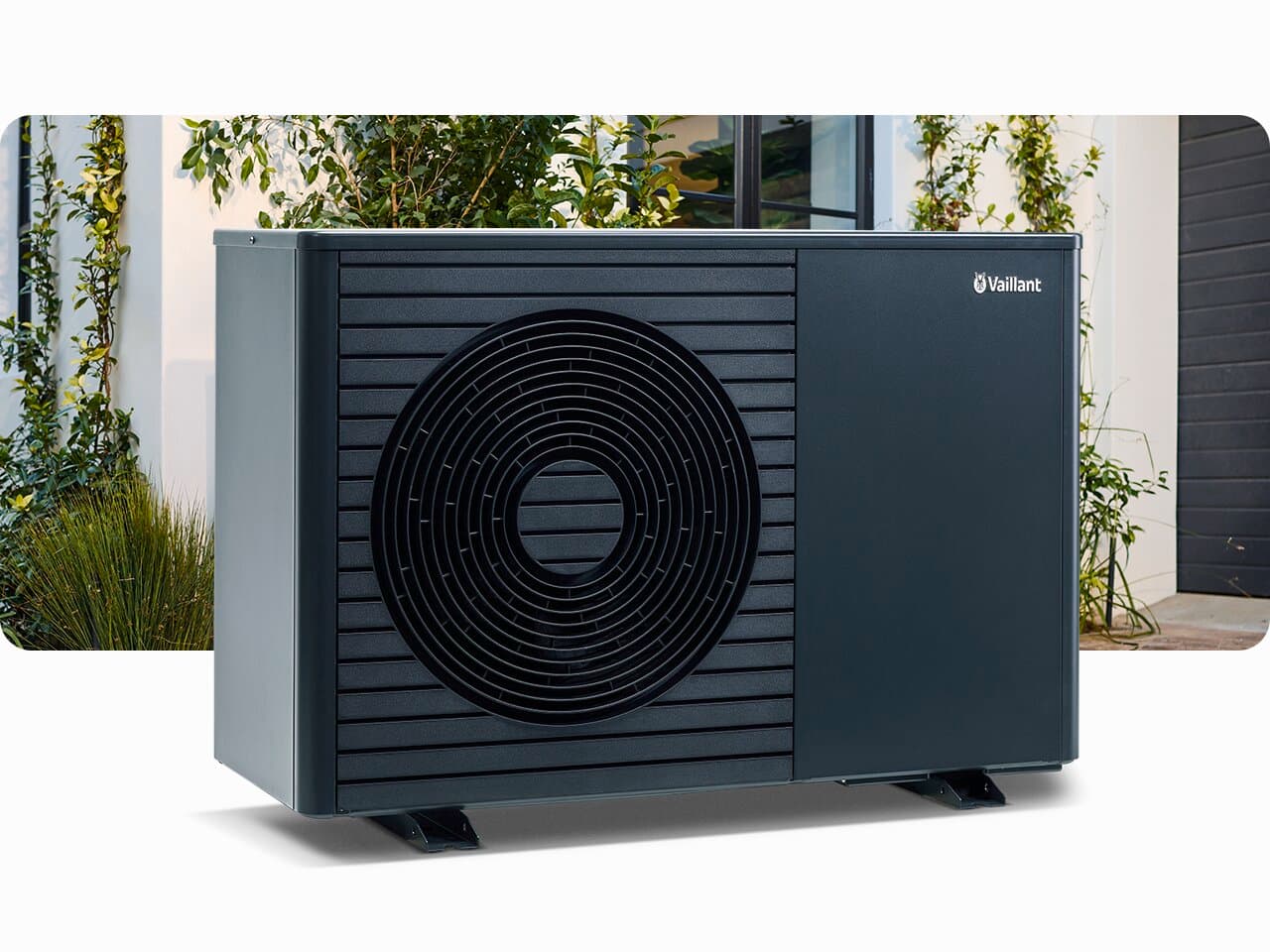
- 1/3Air-to-water heat pumparoTHERM plusOur most efficient air/water heat pump reduces operating costs.Get more details
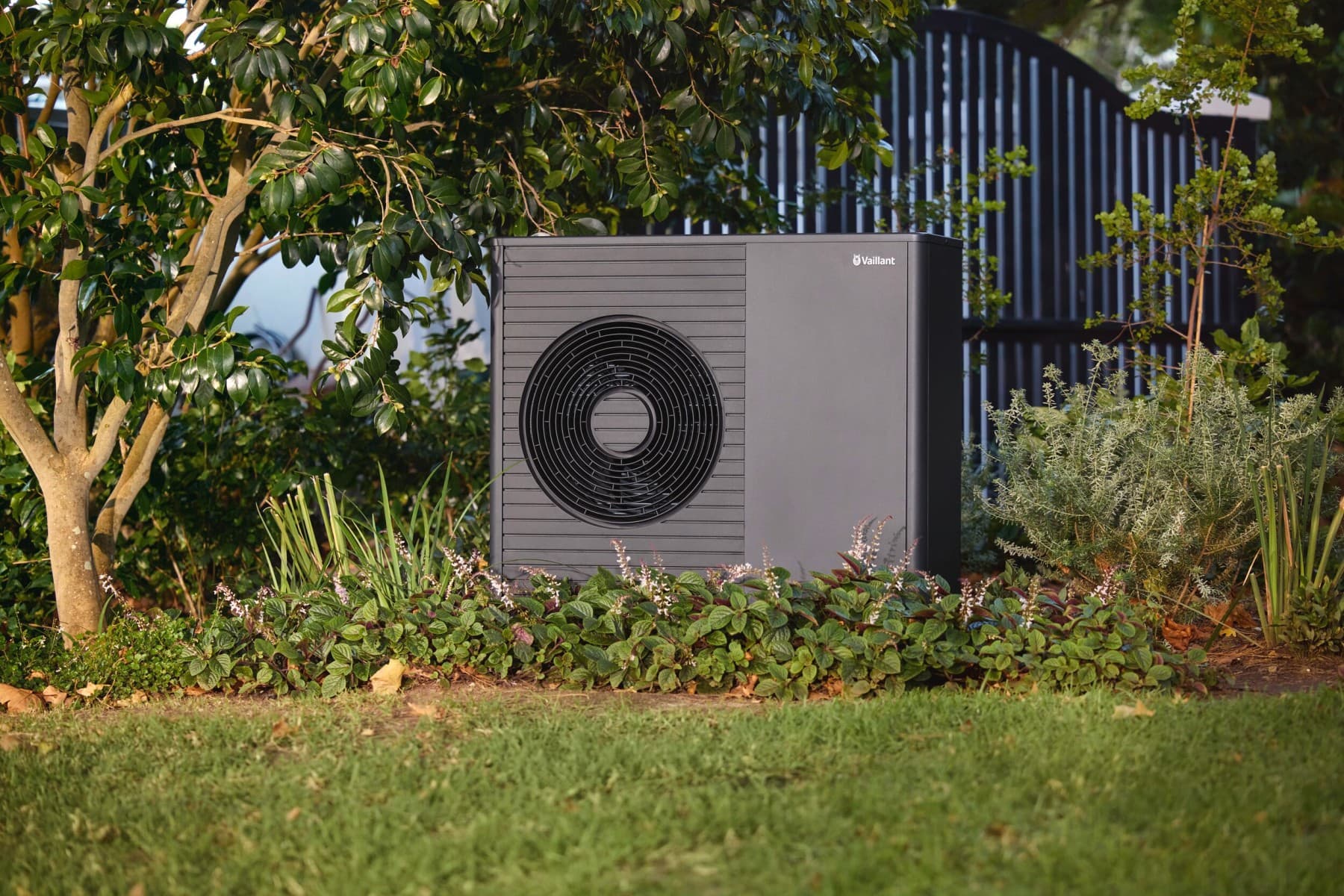
Efficiency in its most flexible form.
- Our most efficient air/water heat pump reduces operating costs.
- Our quietest air/water heat pump with 28 dB(A) for a peaceful neighbourhood
- Maximum freedom of positioning thanks to uniquely minimal protective zones.
- Elegant design in black grey
- Including free 5-year guarantee
The new standard: Our new aroTHERM plus heat pump always finds its place. This is because our safety concept, which is unique in the industry and minimises the necessary distances. Equipped with the natural refrigerant R290, it is our most efficient air-to-water heat pump and generates up to five parts heat* from one part electricity. Available in output sizes from 3 to 12 kW, it is ideal for one-family houses - even with existing radiators, of course.
- 2/3Domestic hot water cylinderuniSTOR plusHot water cylinder for different requirements.Get more details
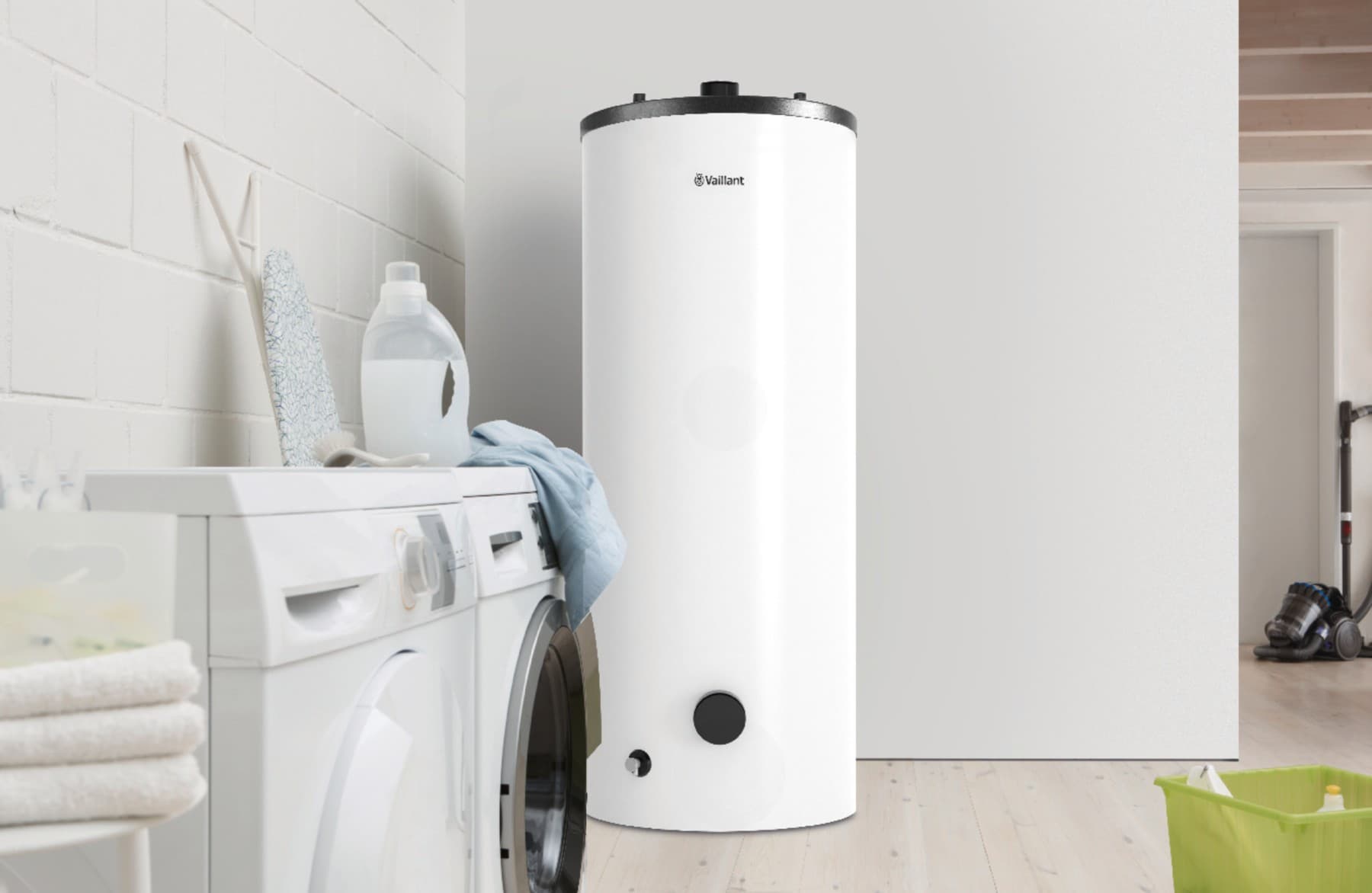
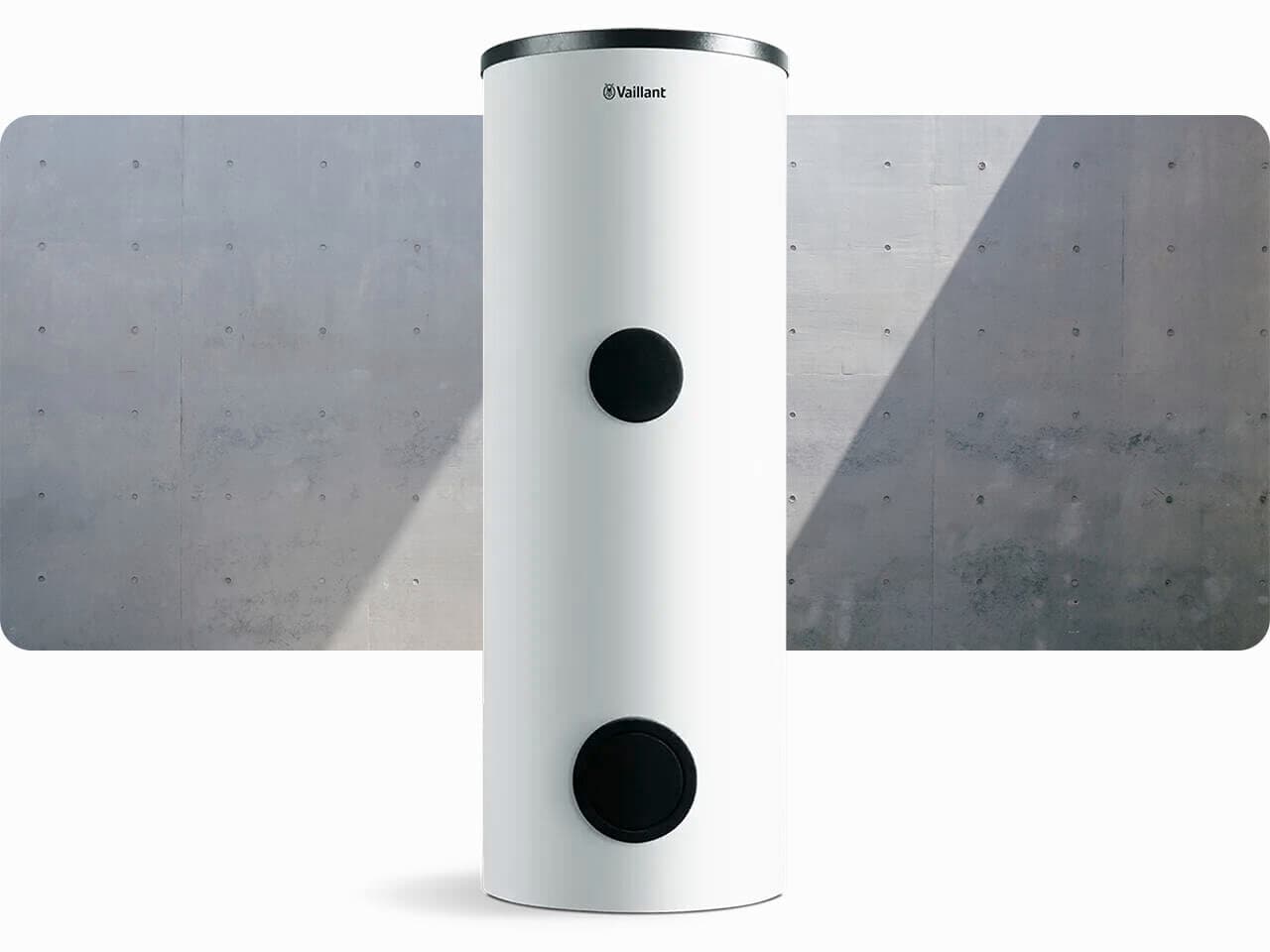
Hot water cylinder for different requirements.
- Flexible: The right choice for many applications
- Can be combined with heat pumps, boilers and solar
- Efficient hot water comfort
- Hot water volumes for families of 3 to 10 people
- Reliable and durable cylinder made in Germany
It doesn't matter whether you're talking about detached houses, apartment buildings or commercial premises: The uniSTOR plus VIH domestic hot water cylinder with a capacity of 200 to 500 litres is the solution you're looking for. It fits perfectly with various heat sources such as heat pumps, gas condensing boilers and solar thermal systems. Hot water production is efficient because the cylinder's heat exchanger is matched to the characteristics of the connected heat generator, thus maximising its performance. In addition, the cylinder insulation is firmly connected to the cylinder, reducing heat loss. And last but not least, the high-quality materials ensure safe operation over a long period of time.
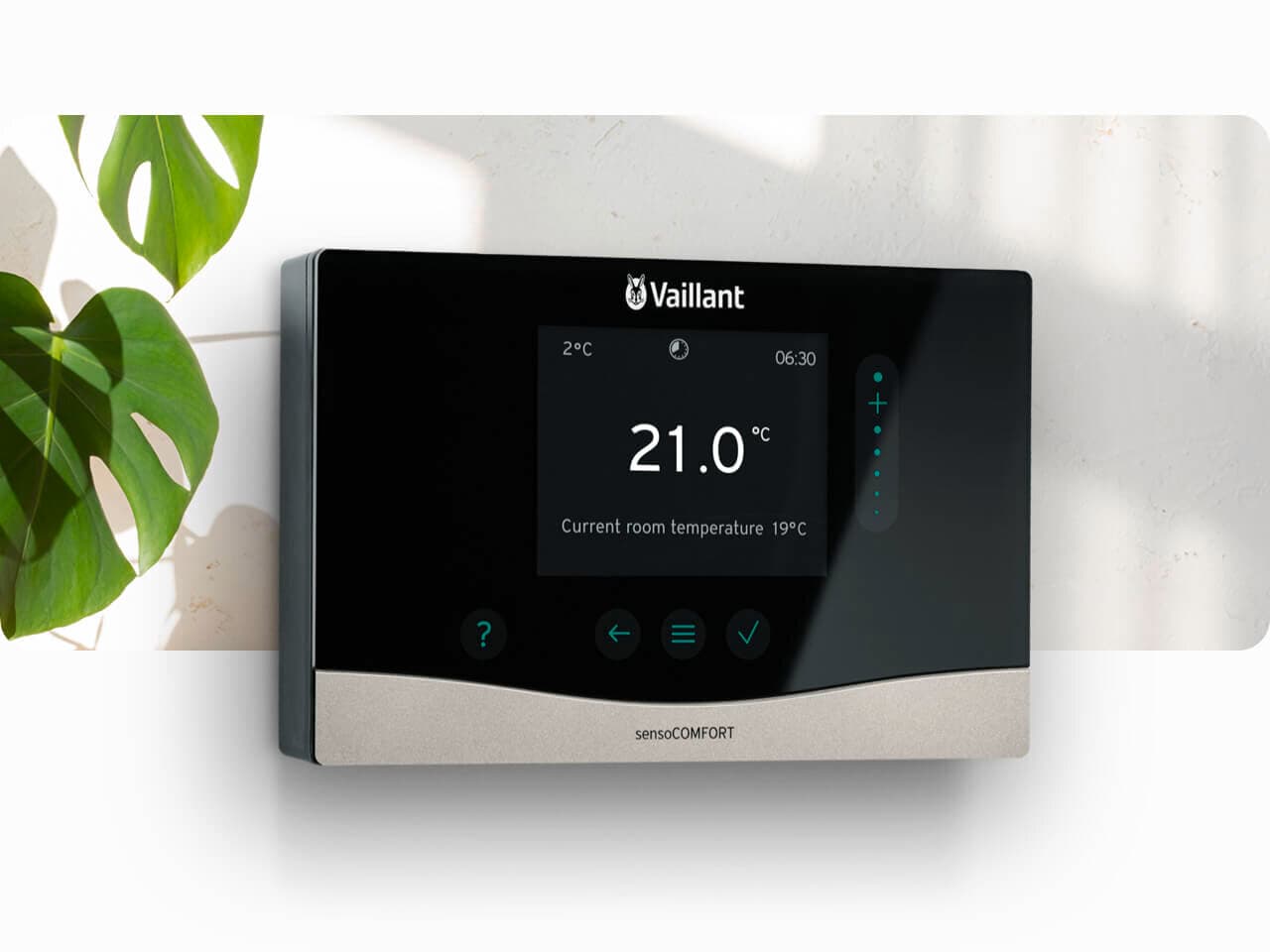
- 3/3Weather-Compensated ControlsensoCOMFORTOur most refined control, ready for the most advanced systems.Get more details
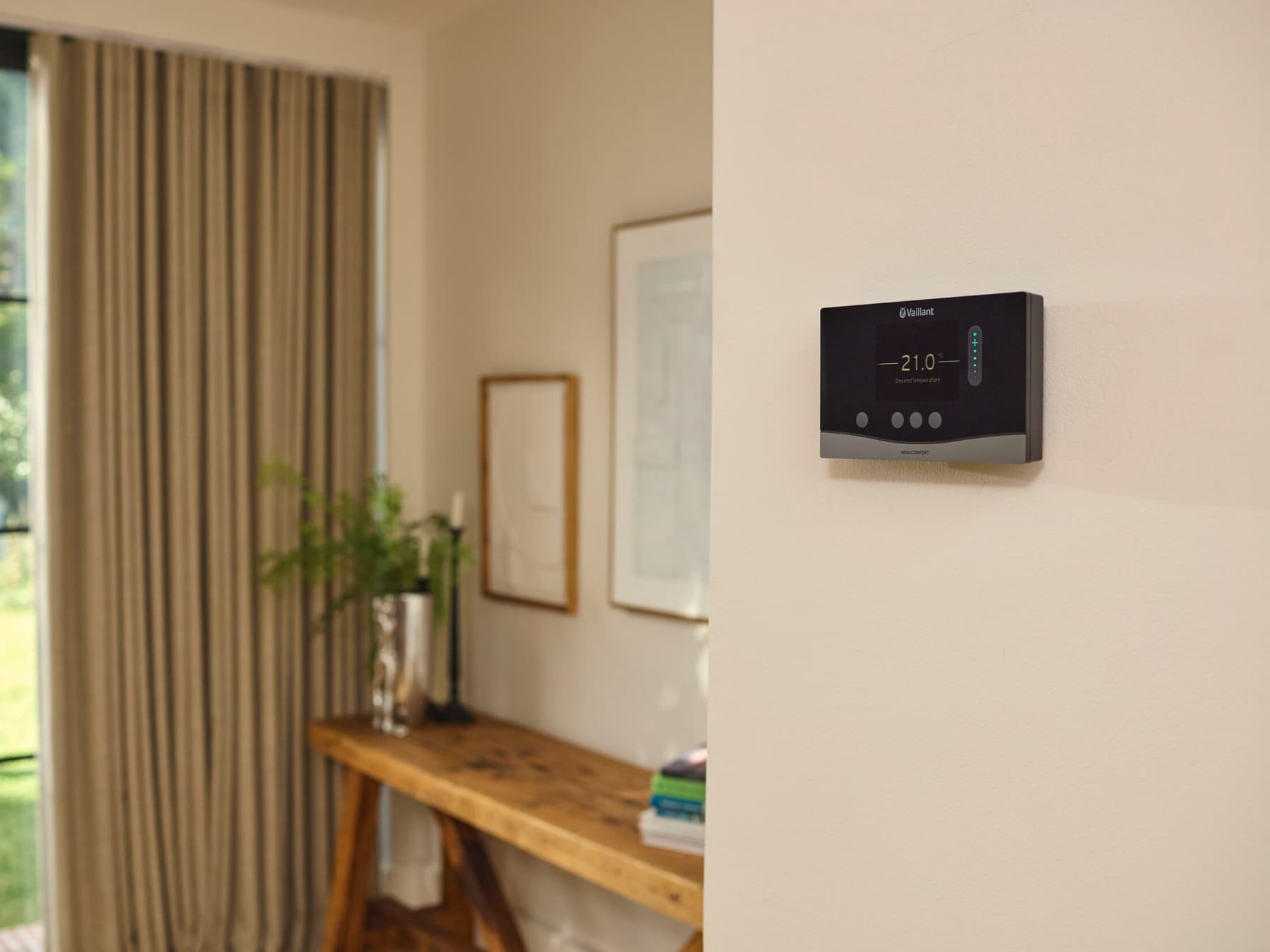
Our most refined control, ready for the most advanced systems.
- Easy handling of the whole heating system for perfect individual comfort
- Ready for smart home integration with different voice assistants
- Effortless integration of renewables from heat pumps to ventilation
- Full control over complex systems with our sensoCOMFORT
- Modern control design perfectly blends into today's living spaces
The best thing about our ever more advanced heating systems? Their increasingly simple handling – with sensoCOMFORT: Our most elaborate weather-compensating system control for easy management of up to 9 heating circuits, hot water production, photovoltaics, solar thermal and ventilation.
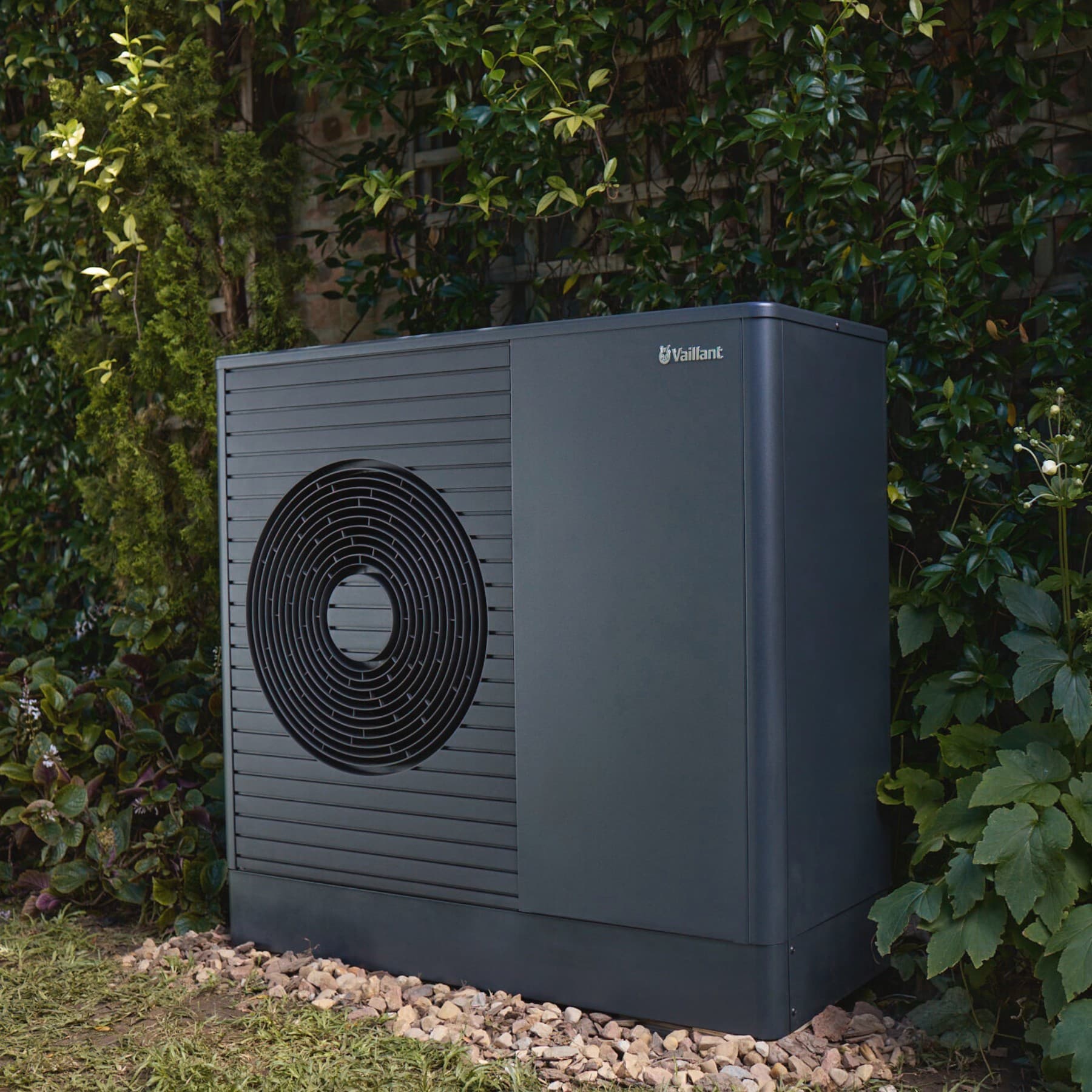
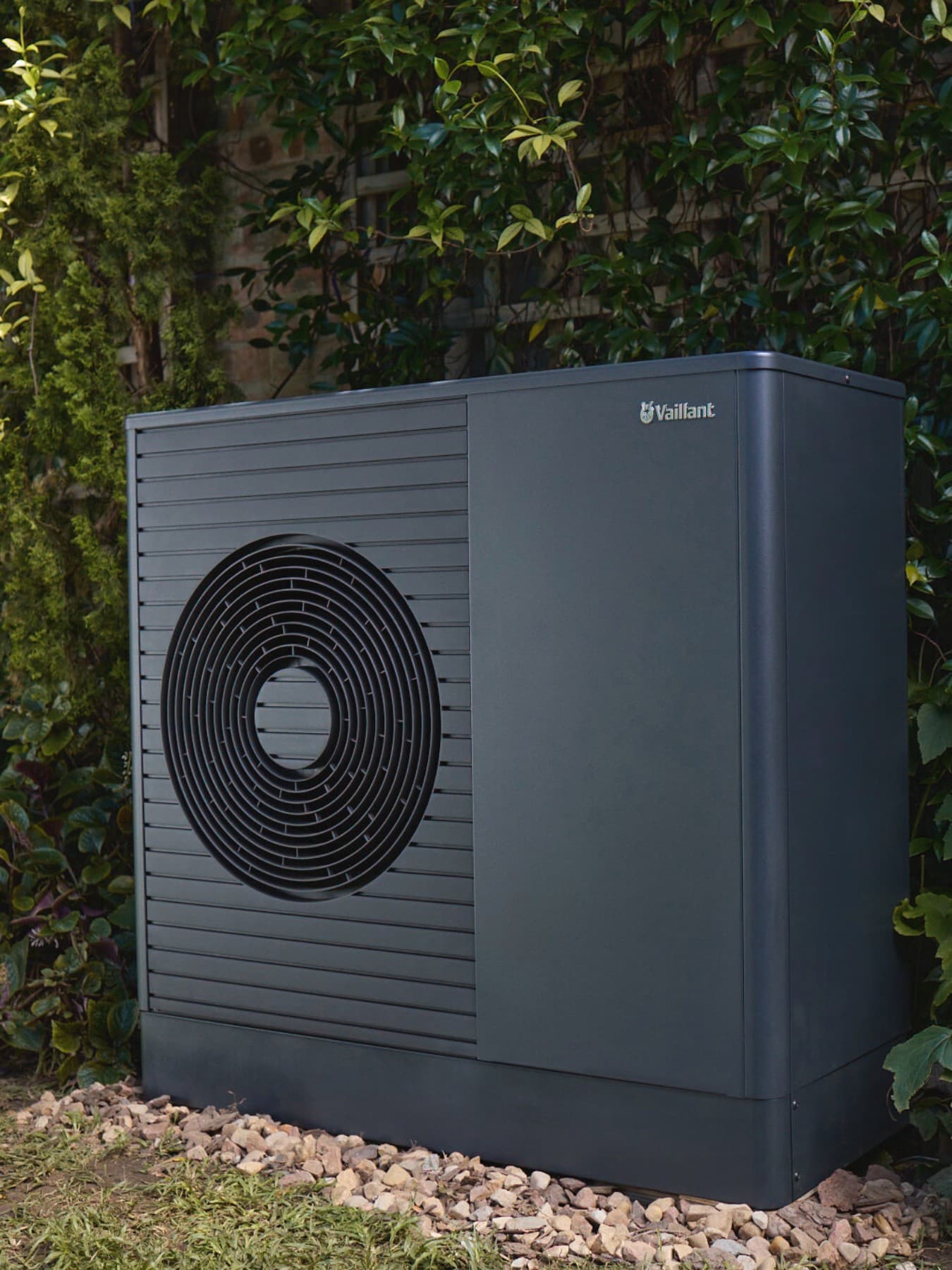
Say hello to our monobloc highrunner: the aroTHERM plus.
The aroTHERM plus air/water heat pump uses the natural refrigerant R290. For good a reason: R290 has a so-called global warming potential (GWP) of only 0,02, which is the lowest GWP on the market. Learn more about the GWP and refrigerants.
This way, the aroTHERM plus allows for higher flow temperatures, making it suitable for radiators, and therefore existing properties. As the refrigerant is widely available, it ensures long-term reliability.
This leads the way for further innovation of our heat pump portfolio, aiming to develop new solutions that reduce greenhouse gases and meet future demands.
Monobloc and modernisation
Are monobloc heatpumps suitable for modernisation projects?
- High flow temperature.Our aroTHERM plus achieves high flow temperatures of up to 75°C thanks to the natural R290 refrigerant.
- Wide power range.Our monobloc heat pumps cover the range from 5 to 12 kW, accommodating various heating needs.
- Simple cascading.Allows for greater output by connecting multiple units smoothly in a cascading system.
- Hybrid system ready.Our aroTHERM plus seamlessly fits into hybrid systems for enhanced efficiency - including photovoltaic systems.
Comparison monobloc and split heat pump
Which heat pump is better: a monobloc or a split heat pump?
- Installation
- Noise
- Flexibility
- Refrigerant Certificate
- Maintenance
Monobloc heat pump
Due to their fewer components, monobloc heat pumps offer a simpler and quicker installation process However, they tend to be heavier and larger in size. They also require larger wall openings. This can impact the aesthetic appearance of your building.
Split heat pump
In contrast, split heat pumps involve a more complex installation process, as they consist of two separate units. This setup requires careful handling of refrigerants and precise installation to ensure optimal performance.

Our heat pump refrigerants: meeting future standards today.
Refrigerants are substances that efficiently transfer heat and are used in many everyday devices. They are essential for heat pumps, which use them to transfer heat from the environment into homes to provide heating and hot water. Vaillant was one of the pioneers in developing a heat pump which uses the natural and sustainable refrigerant R290: The monoblock heat pump . This makes it the perfect choice for modernisation. It reaches flow temperatures of up to 75 °C while still being economically and ecologically viable -especially with underfloor heating.
Outdoors or indoors?
Monobloc heat pumps can be installed outdoors and indoors.
With a monobloc design you have both options of locating your heatpump. However, the variant for outdoor installation of an air-to-water heat pump is used more frequently.


What is important for an outdoor installation?
When planning an outdoor installation, it's important to note that air-to-water heat pumps, like the , do not require any components of the heat pump circuit to be installed indoors. Only the standard heating devices, such as hydraulic components or the storage unit as incorporated in our , need to be placed inside your home. This is why this variant requires significantly less space inside your home.
This is particularly advantageous if the available space is limited - for example when retrofittinga heat pump in a modernised old building.
Another advantage is the low noise level indoors. For outdoor installation, it is important to ensure that the heat is transported from the outdoor unit into the building via well-insulated pipes. To minimise heat loss, the distance between the outdoor unit and the building should therefore be as short as possible.
Freezing of the pipes is only possible in extreme temperatures. However, this can be minimised or avoided by using theaccessories we offer. Installing the monbloc outside also requires minimum spacing to walls and neighboring buildings.
No risk of freezing, as refrigerant is used to connect the outdoor and indoor units. Therefore, no water or other fluids that could freeze are used in the outdoor unit.
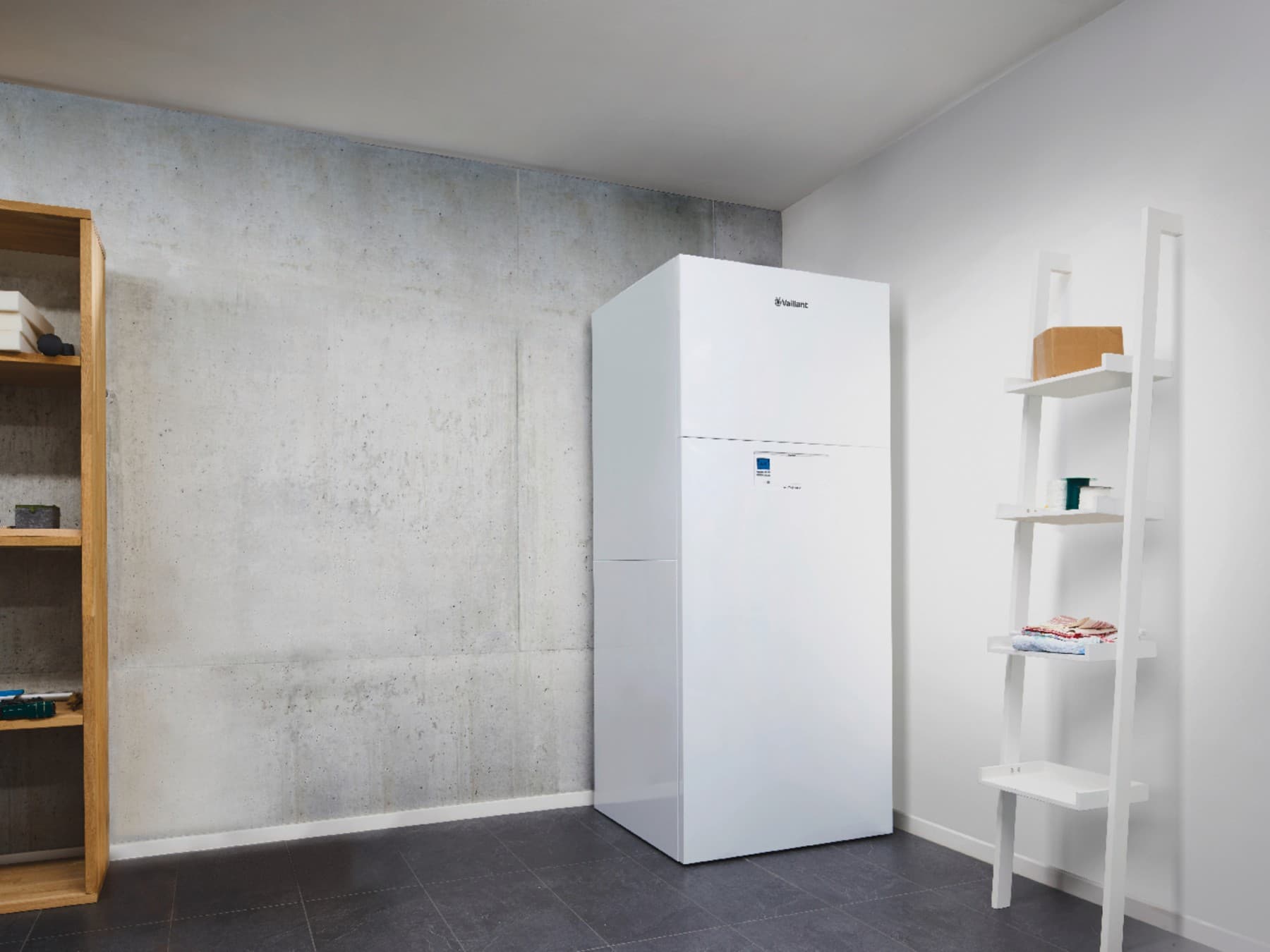
What is important for an indoor installation?
If outdoor installation isn’t feasible, you can opt to install your monobloc heat pump indoors. This approach eliminates the need to transport heat over long distances, enhancing efficiency. However, sufficient space must be available within the building for the installation. This can be taken into account at the planning stage for new builds, but also in existingbuildings, the basement rooms are often suitable. This also applies to the air ducts required to supply and extract outside air. Soundproof housings and intelligent speed control ensure quiet operation even with a heat pump in monobloc design for indoor installation, like e.g. our .