Flip the switch to a better future by choosing an alternative to gas.

The shift to alternative heating systems
Future-proof your home with alternative options.
Gas boilers have long been a staple of home heating, but the burning of fossil fuels releases substantial amount of carbon dioxide, fuelling climate change. Unpredictable gas prices lead to erratic energy costs, prompting homeowners to seek sustainable and future-proof alternatives. Forward-thinking planning and reducing gas consumption are vital, with solutions such as heat pumps, solar systems, and hybrid heating systems playing a key role. These solutions offer greater independence from supply issues and price fluctuations. This shift not only addresses environmental concerns but also provides peace of mind with reliable, eco-friendly heating solutions that contribute to a healthier planet.
Advantages of switching to an alternative
Why switch? Because there are good reasons to do so.
- Reduce your carbon footprint.
Opting for renewable heating systems, like heat pumps, significantly reduces greenhouse gas emissions, allowing you to contribute to a healthier planet and promote environmental sustainability.
- Save money long-term.
While the initial investment may be higher, heat pumps can lead to substantial energy savings over time, making them a financially sound choice that pays off with reduced bills and increased efficiency.
- Gain energy independence.
Using renewable energy sources decreases reliance on fossil fuels, offering stability against fluctuating prices and enhancing your home's energy security, ensuring peace of mind and consistent energy supply.
- Boost property value.
Homes equipped with modern, sustainable heating systems often attract more buyers, potentially increasing property value and appeal, making your property a more desirable and eco-friendly choice.


The perfect choice
Heat pumps: leading the way in sustainable heating.
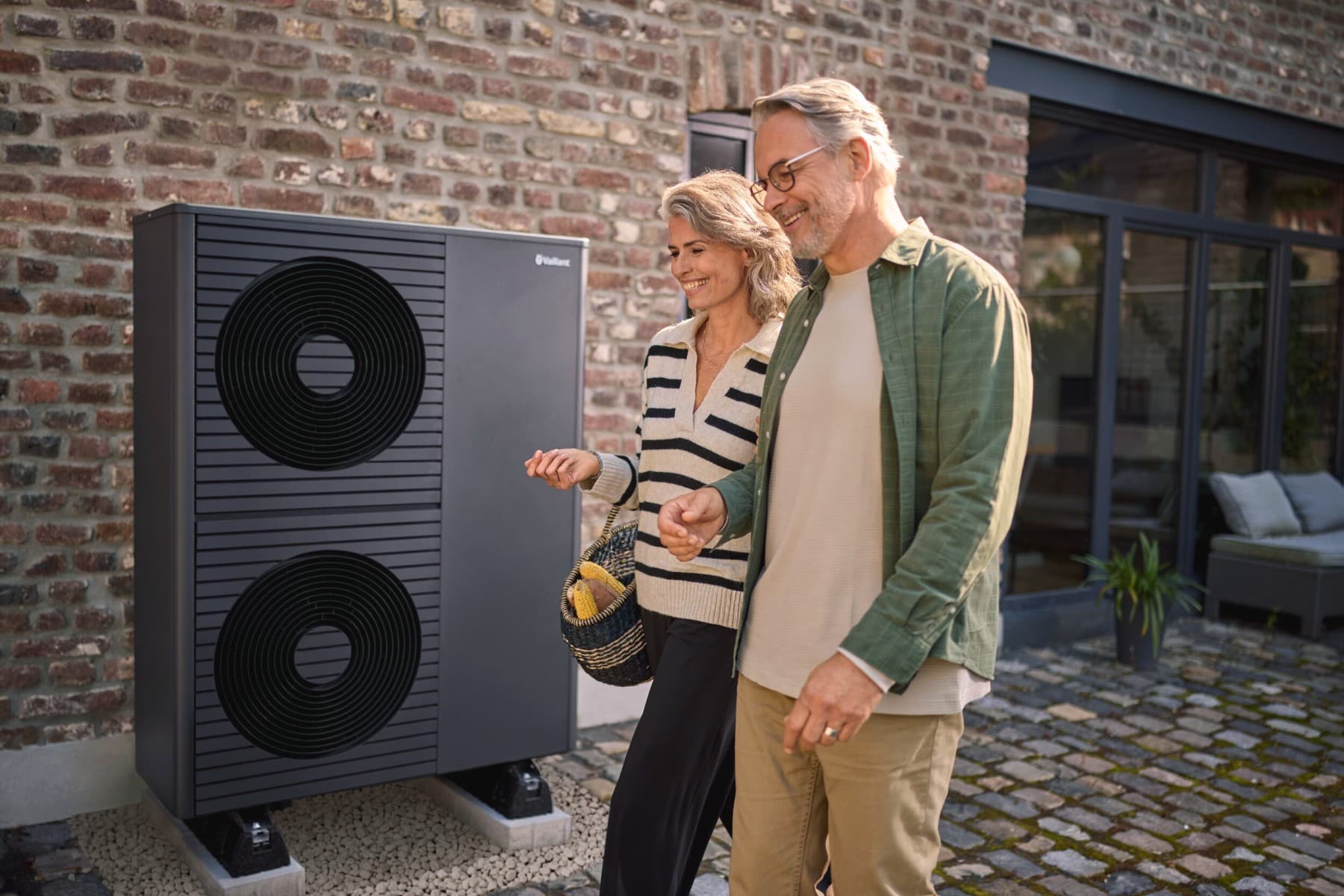
Heat pumps are an outstanding choice for efficient and eco-friendly home heating, offering diverse options to suit various needs. By extracting heat from the air, ground, or water, they convert it into energy to cool or warm your home. This process is highly efficient, as heat pumps can produce more energy than they consume, making them a wise investment. The versatility of heat pumps is evident in their different types. Air-source heat pumps are perfect for well insulated homes with limited outdoor space and low heating requirements, capturing heat from the air and providing a visible yet effective solution. Ground-source heat pumps require more space but offer a discreet option with high efficiency once installed, using collectors or probes to extract heat from the earth and blend seamlessly into the landscape. Finally, water-source heat pumps tap thermal energy stored in the groundwater by means of two wells, making these heat pumps the most efficient ones.
While the initial investment is higher compared to traditional gas boilers and long-term energy savings help offset these costs. Choosing heat pumps not only boosts your home's efficiency but also supports a sustainable future, making them the ultimate choice for alternative heating solutions.
Further alternative heating solutions
Not convinced? There are more alternatives to discover.
- Hybrid heating
- Solar thermals
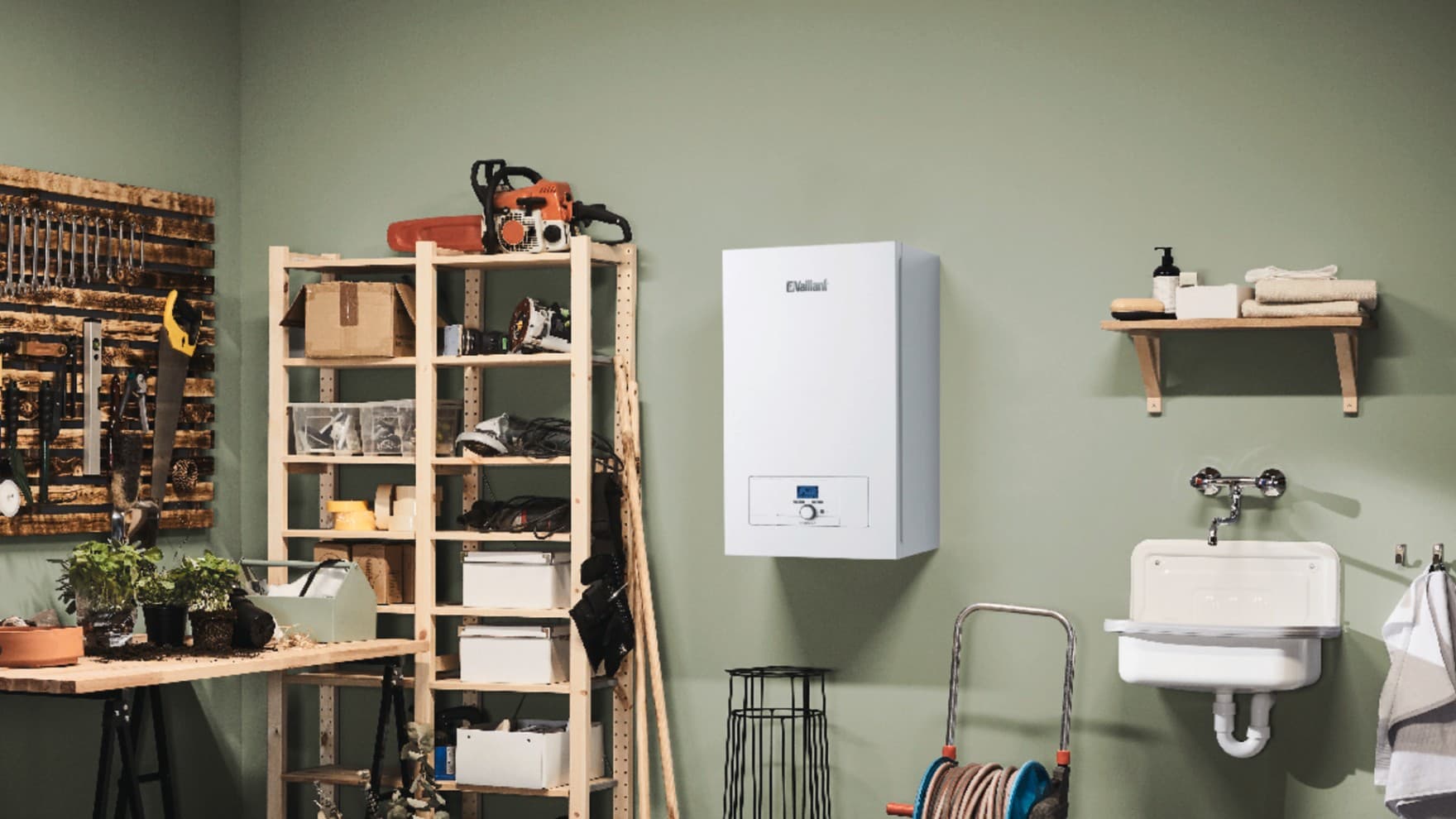
- Electric heating
- Electric boilers
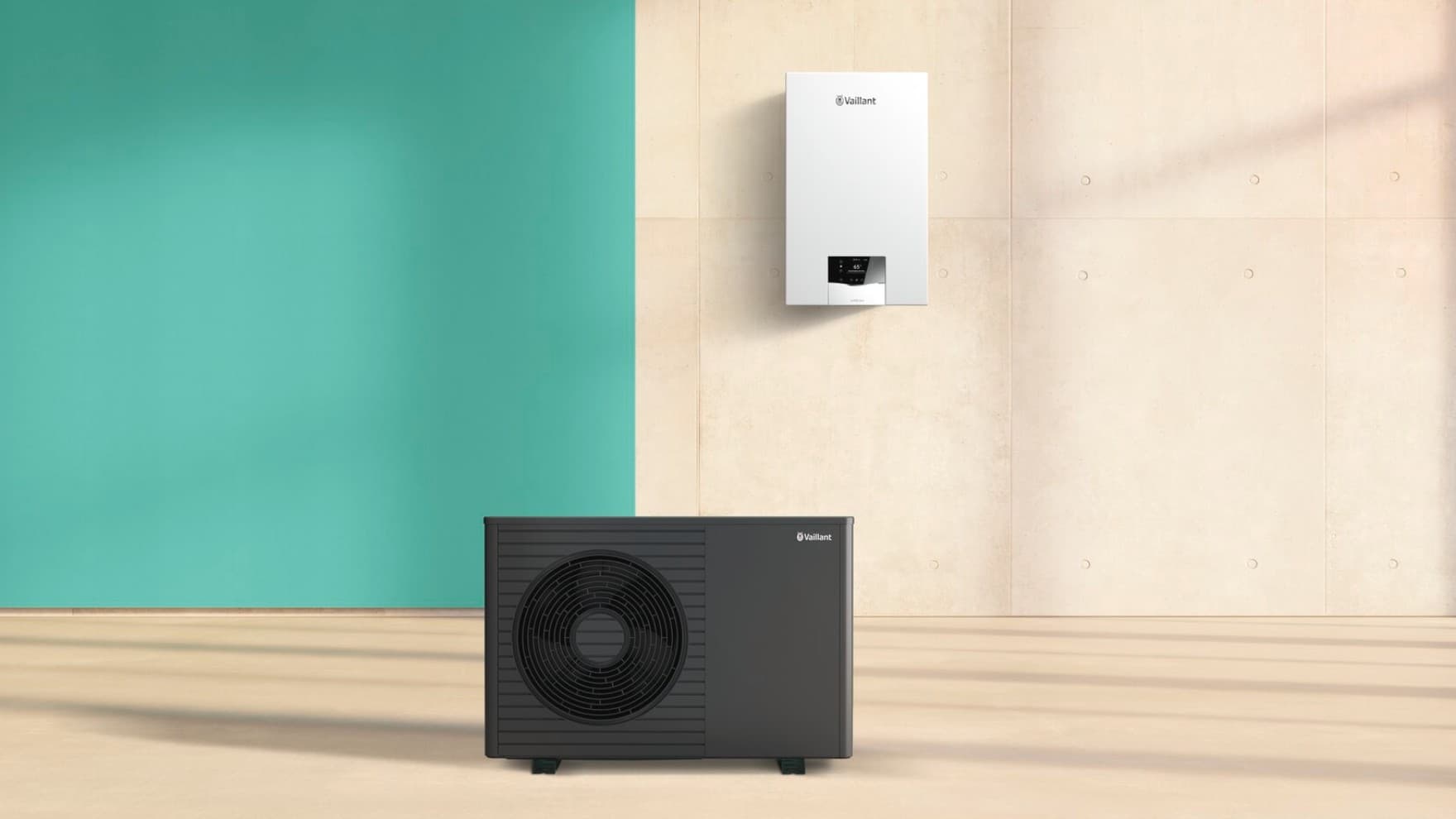
Efficiently combining gas and renewable energy.
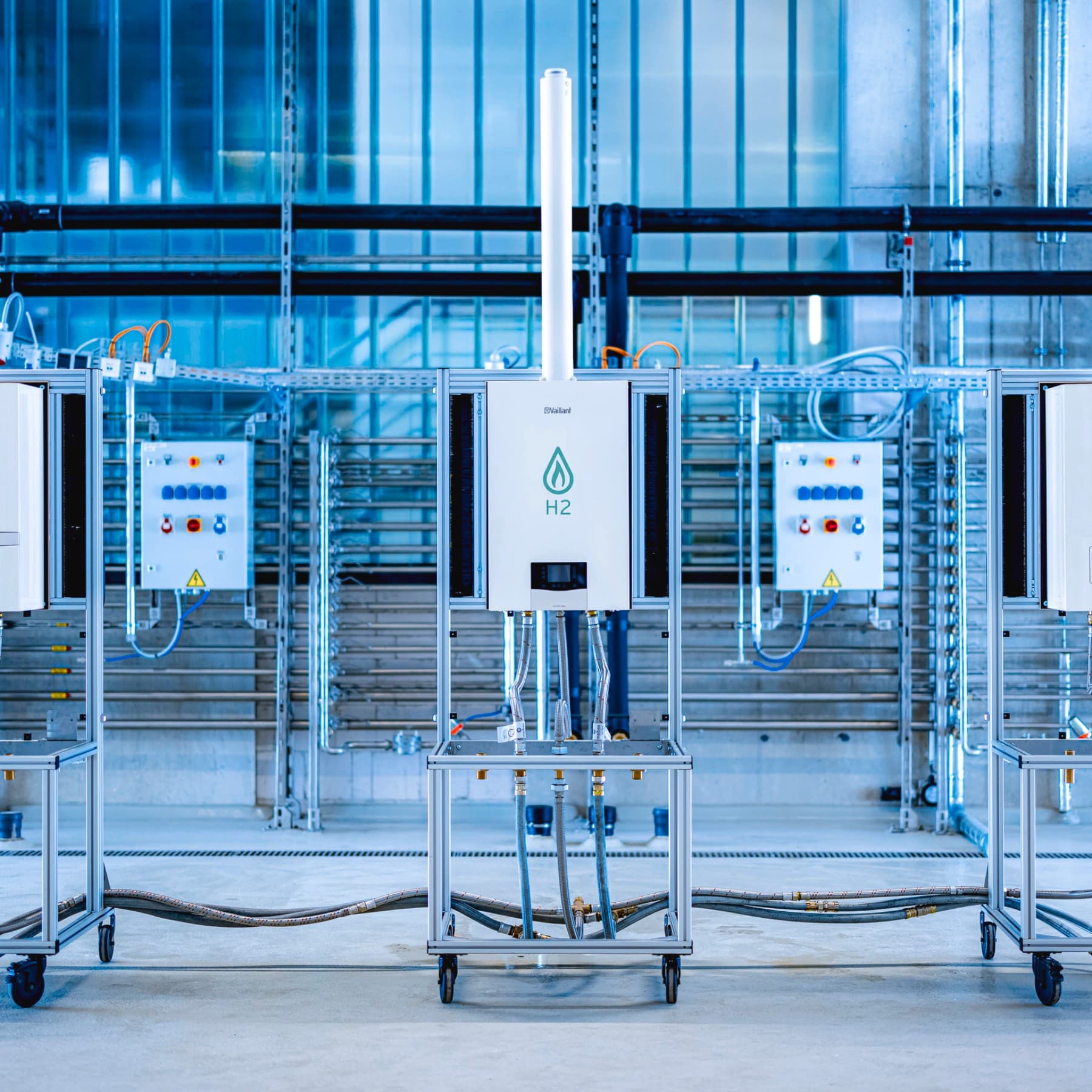
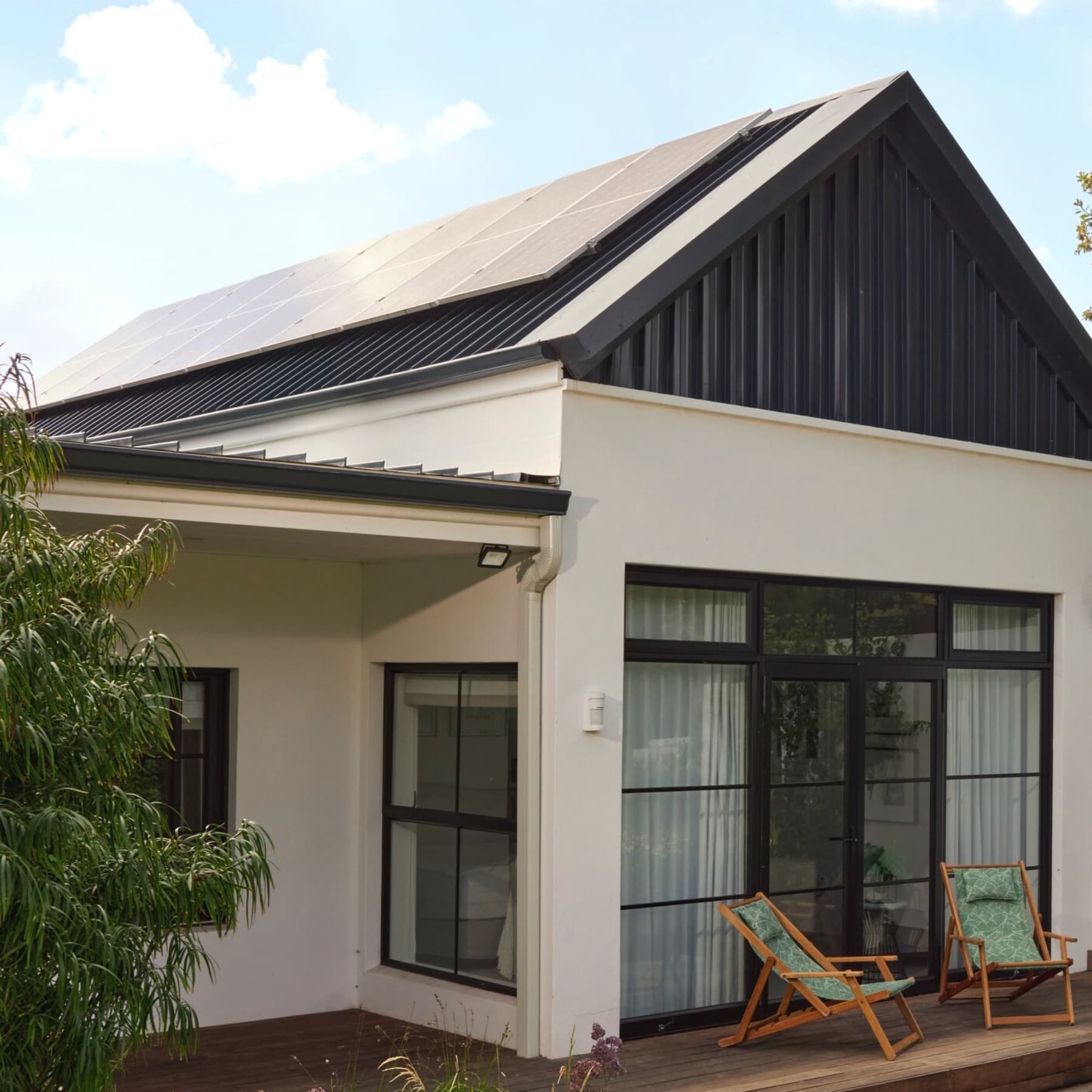
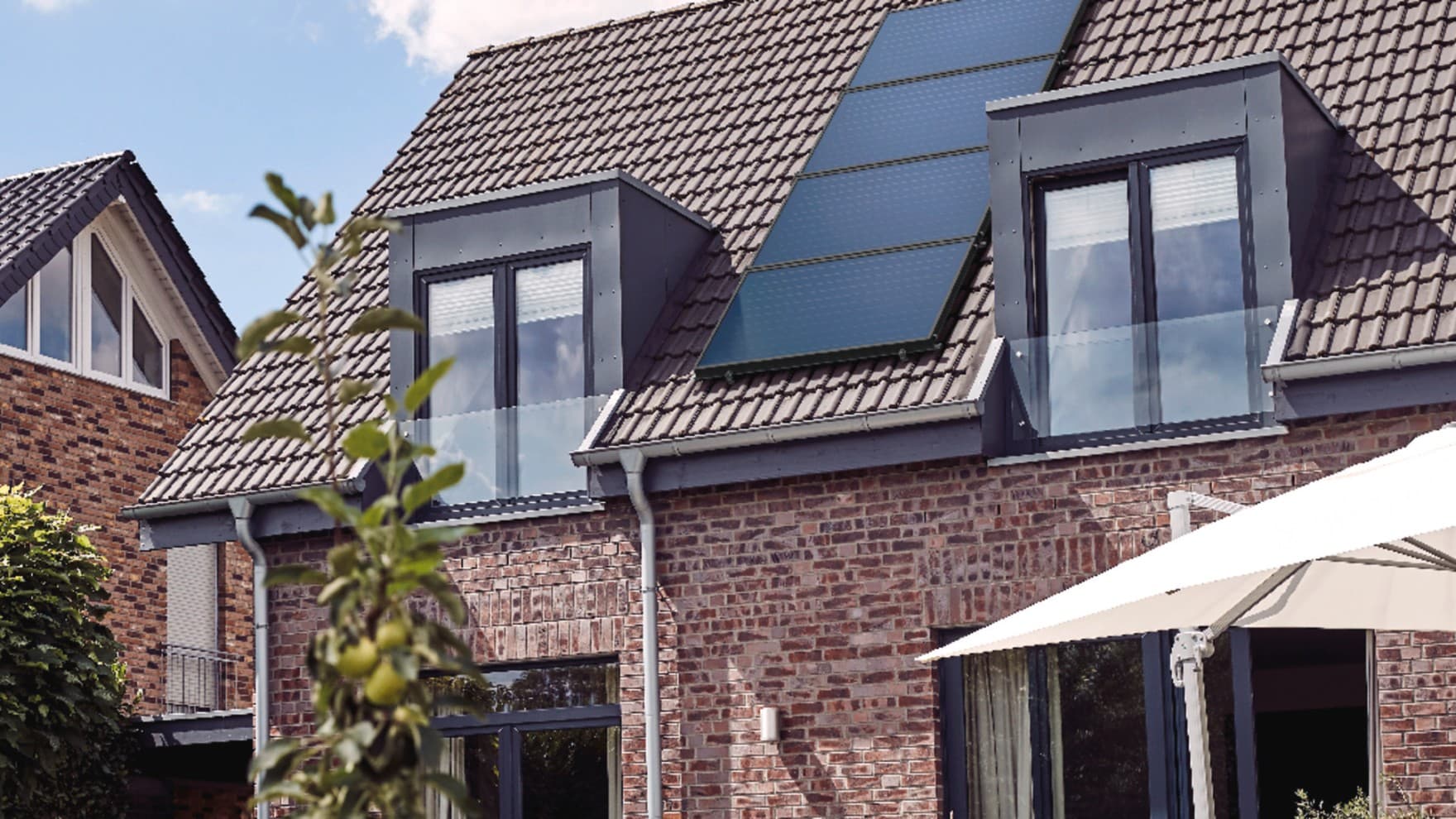
Hybrid systems blend traditional gas boilers with renewable technologies like heat pumps or solar panels, boosting efficiency and cutting fossil fuel use. They smartly switch between energy sources based on demand and availability, optimising performance and cost-effectiveness. Perfect for those wishing to transition gradually to renewable energy, hybrids offer flexibility and can be tailored to specific heating needs, suitable for both new builds and retrofits.

Key considerations for a sustainable heating choice
Make a lasting impression. For you and the environment.
Switching from gas boilers to an altnerative heating solution is a rewarding decision, paving the way for a sustainable future. While the initial costs for systems like heat pumps or solar panels may seem substantial, they are often offset by long-term savings on energy bills. Moreover, modern, sustainable heating systems can increase property value, further justifying the investment. By conducting a thorough cost-benefit analysis and exploring financing options, homeowners can confidently embrace this eco-friendly transition.
To fully reap the benefits of a sustainable heating solution, a number of requirements must be taken into account, with thermal insulation playing a crucial role. Effective insulation retains warmth within your home, reducing the energy needed to maintain comfortable temperatures. Investing in high-quality insulation materials offers substantial savings over time, making it a valuable consideration even if a full switch to an altnerative heating solution isn't immediate.

How to save gas without replacing the heating system.
- Bleed your radiators.Learn more
If your radiators are making gurgling noises or remain lukewarm even with the valve turned up, it's likely time to bleed them. Trapped air can disrupt the flow of heating water, lowering efficiency. Grab a radiator key, a container, a cloth, and follow a straightforward guide to restore warmth and efficiency.
- Use smart controls.Learn more
Invest in smart thermostats and heating controls to schedule heating times and monitor energy usage. These devices optimise heating patterns, cutting unnecessary energy consumption and enhancing efficiency. Enjoy greater control and savings with ease.
- Optimise your thermostat settings.Learn more
Lower your thermostat by just one degree for noticeable energy savings. Heat each room based on its use; for instance, keep bedrooms cooler than living areas. This simple adjustment enhances efficiency and comfort, reducing energy costs across your home.
- Keep an eye on regular maintenance.Learn more
Regularly servicing your gas boiler ensures optimal efficiency. A well-maintained boiler consumes less energy and lowers the risk of breakdowns. Schedule routine checks to keep it running smoothly, enhancing performance and saving on energy costs in the long run.